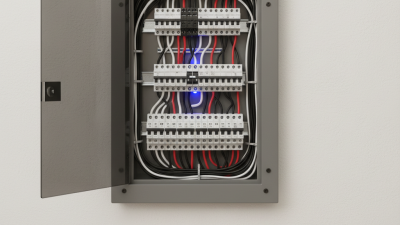
 Intelligent Manufacturing / Industry 4.0
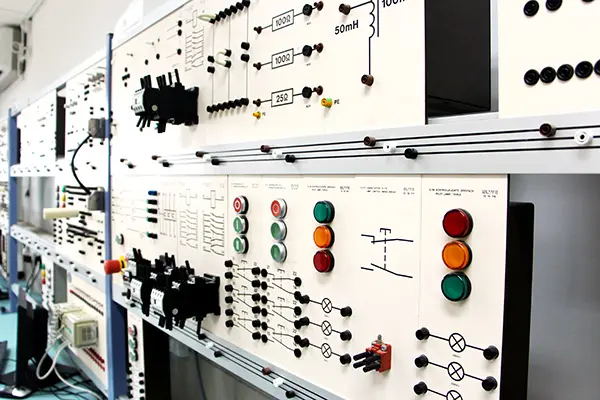 Motor Control Center MCC
 Data Center
 Environmental Industry
 Industrial Machinery
 New Energy
 Pharmaceutical Manufacturing
 Petroleum & Chemical
 Marine & Offshore & Ship
 Food processing / agricultural production
Leave Your Message
A Traffic Control Cabinet may look like a roadside steel box, but it protects the equipment coordinating signals, power, and communications. Its reliability can affect intersection operations, maintenance needs, and how readily agencies adopt newer control systems. The market deserves careful comparison. Not every product marketed as “smart” is easier to maintain.
The scale of urban growth adds context. UN DESA’s World Urbanization Prospects: The 2018 Revision projects that 68% of the global population will live in urban areas by 2050. Meanwhile, the FHWA’s Traffic Signal Timing Manual reports an often-cited U.S. estimate: about 300,000 traffic signals, with many able to benefit from updated timing. That estimate is U.S.-specific and dates to 2008, so it should not be treated as a current global count. Still, it highlights the value of dependable field infrastructure. Buyers should examine cabinet construction, controller compatibility, thermal management, surge protection, documentation, and service support. Standards such as NEMA TS 2 and NTCIP also help clarify interoperability requirements. Specifications alone are not proof of field performance. Ask suppliers for test records, installation references, spare-parts arrangements, and clear warranty terms. Small details matter: door seals, wiring access, and readable labels can shape routine maintenance. This guide compares ten suppliers worldwide, while recognizing that the best fit depends on local standards, climate, project scale, and support availability. A neat ranking cannot replace a site-specific review.
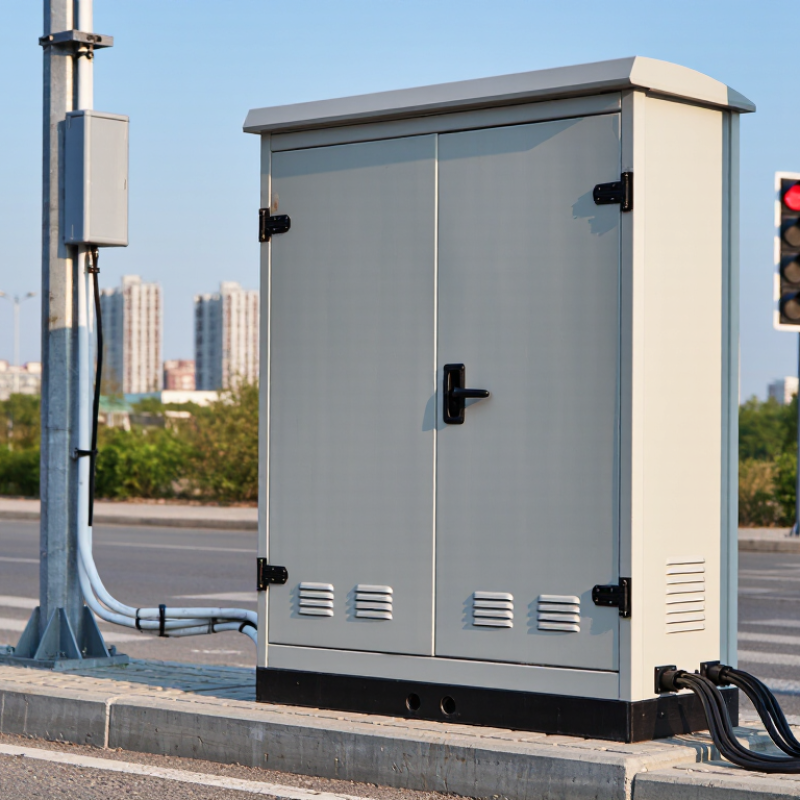
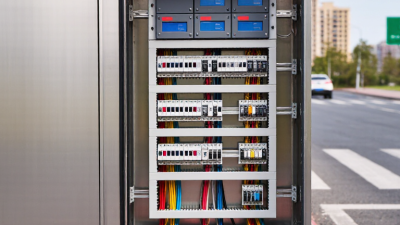
A traffic control cabinet is the roadside equipment room behind an intersection’s signals. It houses the controller, power supply, detector connections, and safety-monitoring components. The controller runs signal phases; the monitor checks for conflicting indications and can trigger a safer operating mode if a fault occurs. Small enclosure, major responsibility. Heat, moisture, vibration, and unstable power can all affect equipment performance, so cabinet design and maintenance matter as much as the timing plan.
Scale makes reliability important. The Federal Highway Administration’s Traffic Signal Timing Manual (2008) estimates roughly 300,000 traffic signals in the United States. Each cabinet links field devices with the intersection’s control logic, and, where equipped, communications systems. A technician may need to inspect wiring, confirm detector inputs, and verify that backup or fault responses work as intended. NEMA’s TS 2 standard provides commonly used requirements for traffic signal controllers and cabinet assemblies, including electrical and environmental performance. Still, standards do not remove every site-specific problem. A cabinet placed in direct afternoon sun may face different thermal stress from one under tree cover. And an installation can look orderly while a loose connection waits to fail. That detail is easy to miss.
| # | Supplier Capability to Assess | Why It Matters | Evidence to Request |
|---|---|---|---|
| 1 | Application and configuration expertise | Cabinets house and protect equipment such as traffic signal controllers, power distribution components, and communications devices. Requirements vary by intersection, roadside environment, and local authority. | A project-specific layout, equipment list, wiring diagrams, and confirmation of the applicable local traffic authority requirements. |
| 2 | Enclosure construction and corrosion protection | Cabinet material, coating, seals, and hardware affect durability in outdoor conditions. The appropriate construction depends on climate, exposure, and maintenance needs. | Material and finish specifications, corrosion-protection details, door-seal information, and warranty terms. |
| 3 | Ingress-protection documentation | Protection against dust and water ingress helps determine whether an enclosure is suitable for its installation conditions. IP classifications are defined in IEC 60529. | The stated IP rating, the test report or certification supporting it, and details of the tested cabinet configuration. |
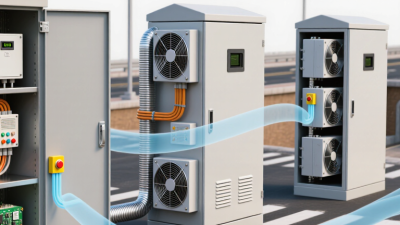
| 4 | Thermal management | Electronic equipment produces heat, while outdoor temperature and solar exposure affect cabinet conditions. Ventilation, fans, filters, or cooling equipment may be needed depending on the design. | Thermal design assumptions, component temperature limits, ventilation or cooling specifications, and any supporting test results. |
| 5 | Electrical protection and safety | Correctly selected distribution, grounding, and protective devices help safeguard equipment and support safe servicing. The design must match the local supply and project requirements. | Electrical schematics, component ratings, grounding details, and inspection or test records for the assembled cabinet. |
| 6 | Controller and communications compatibility | Cabinet interfaces must suit the traffic controller, detection equipment, and communications equipment selected for the project. Compatibility should be confirmed rather than assumed. | Interface details, terminal plans, equipment clearances, and documented compatibility with the specified project equipment. |
| 7 | Standards and regional compliance | Applicable standards differ by market and project. IEC 61439 concerns low-voltage switchgear and controlgear assemblies; NEMA TS 2 is used for traffic signal control equipment in North American contexts. Project specifications determine what applies. | A compliance matrix identifying each applicable standard, edition, test, and certificate or report. Verify requirements with the purchasing authority. |
| 8 | Factory inspection and testing | Inspection before shipment can identify assembly, wiring, labeling, and functional issues while the cabinet is still at the factory. | Inspection and test plans, routine-test records, quality procedures, and acceptance-test options for the order. |
| 9 | Customization and documentation control | Site-specific cabinet dimensions, mounting, cable entry, labeling, and internal arrangements can affect installation and future maintenance. | Approved drawings, revision history, bill of materials, wiring diagrams, and a documented process for design changes. |
| 10 | Delivery, spares, and after-sales support | Lead times, replacement parts, technical assistance, and warranty coverage influence the cabinet’s maintainability throughout its service life. | A written delivery schedule, spare-parts list, warranty conditions, service contact process, and availability of technical documentation. |
This table is a supplier-evaluation guide, not a ranked list or certification of individual suppliers. Confirm product claims and project-specific requirements directly with suppliers and the relevant road authority.