Top 10 Benefits of Using PLC in Control Panels for Industry?
The integration of PLC in control panels is transforming the industrial landscape. According to a recent report by the International Society of Automation, companies implementing PLC technology can experience efficiency boosts of up to 30%. This statistic highlights the vital role of PLCs in modern manufacturing and control systems.
Industry expert John Smith, a leading figure in automation technology, states, "The adaptability of PLC in control panel designs is unparalleled." His insight reflects the growing reliance on PLC systems for streamlined operations. This technological evolution is not without its challenges. While PLC systems enhance precision, some industries struggle with integration issues and workforce training.
As we explore the top 10 benefits of using PLC in control panels, it's crucial to recognize both the advantages and potential obstacles. Embracing PLC technology requires careful planning and execution. The benefits extend beyond efficiency to include safety and cost savings, making it a vital investment for any forward-thinking industrial operation.
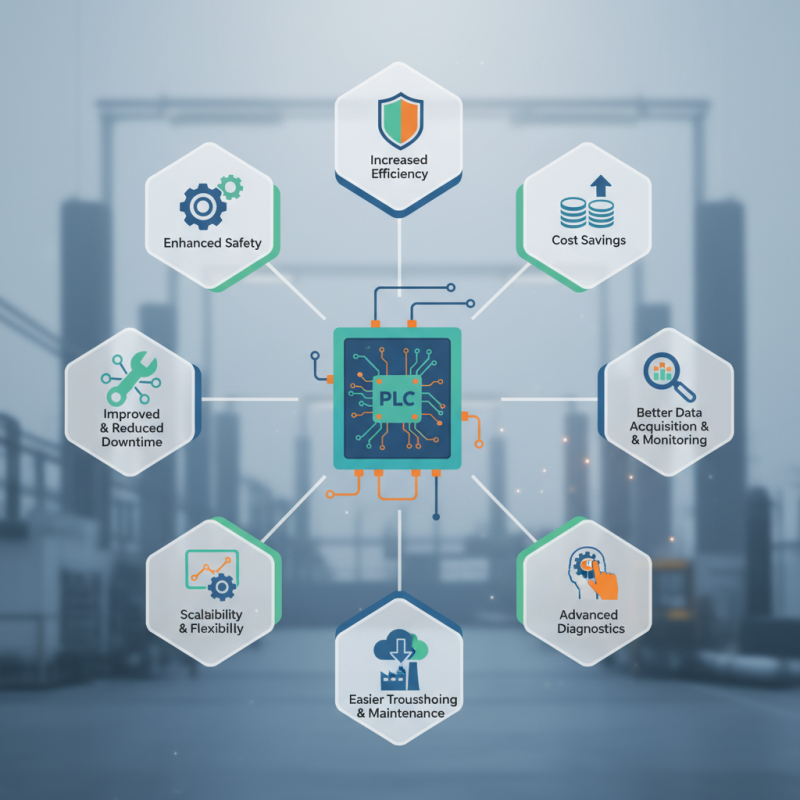
Understanding PLC Technology in Industrial Control Panels
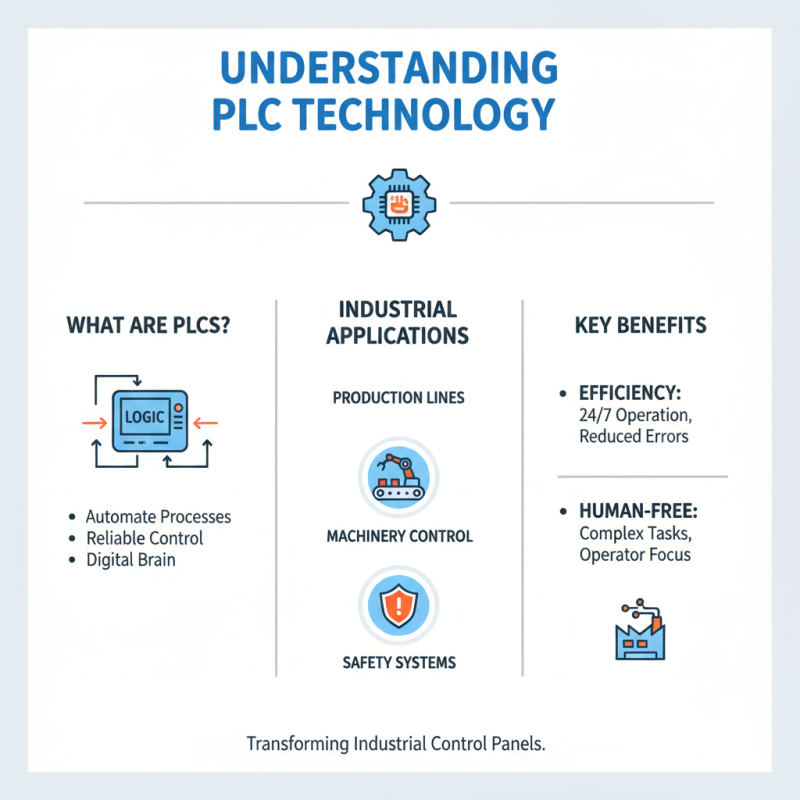
Programmable Logic Controllers (PLCs) have transformed industrial control panels. Their reliability lies in the ability to automate processes efficiently. In modern factories, PLCs maintain production lines, control machinery, and ensure safety. These systems manage complex tasks without human intervention, freeing operators to focus on other areas.
PLCs operate through a user-friendly interface. Operators can easily program them using simple code. This accessibility allows for quick adjustments to processes. However, programming a PLC is not always straightforward. Mistakes can occur, leading to unexpected results. Continuous training and updates are crucial to mitigate errors.
Data monitoring is another vital advantage of PLC technology. Real-time insights enhance decision-making. However, data overload can lead to confusion. Operators must filter out unnecessary information to focus on what truly matters. In a rapidly changing industrial landscape, adapting to these technologies is not just beneficial—it is essential for success.
Enhanced Automation Capabilities with PLC-Controlled Systems
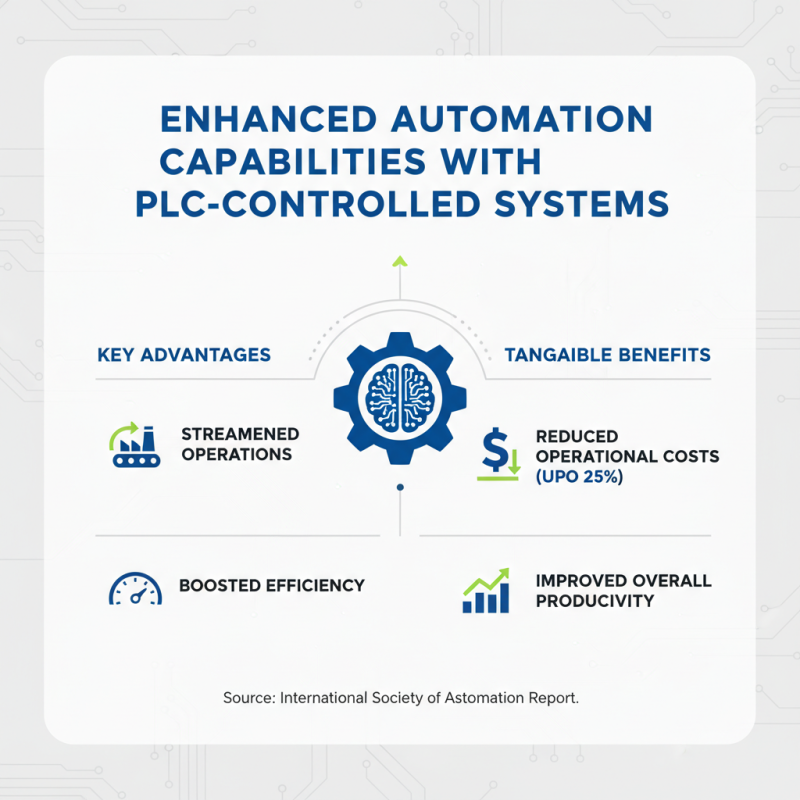
PLC-controlled systems significantly enhance automation capabilities in industrial settings. By employing programmable logic controllers (PLCs), industries can streamline operations and boost efficiency. According to a report by the International Society of Automation, PLC usage can reduce operational costs by up to 25%. This means companies can save substantial amounts while improving overall productivity.
One of the key benefits of PLCs is their adaptability. They can easily integrate with various sensors and actuators. This flexibility allows for real-time adjustments to the production processes. In environments where rapid changes are common, this adaptability is crucial. However, the initial integration of PLCs can be complex. Teams may require additional training or face unexpected challenges during implementation.
**Tip:** Regularly review your PLC configurations. Make adjustments as needed. Staying proactive helps prevent system downtime.
Another significant advantage is data collection. PLCs can gather important metrics, allowing companies to analyze performance trends. This data can lead to informed decision-making. However, not all data is valuable without proper analysis. Businesses must dedicate time to interpret this information effectively.
**Tip:** Utilize software tools for data analysis. Simplifying this process can yield better insights.
Employing PLCs in control panels empowers industries to achieve enhanced automation while facing challenges throughout the adoption journey.
Improved Reliability and Reduced Downtime Through PLC Integration
The integration of Programmable Logic Controllers (PLCs) in industrial control panels offers numerous advantages, particularly in enhancing reliability and minimizing downtime. PLCs can streamline processes, enabling faster response times to changes in operations. With a reliable PLC, companies can expect fewer operational interruptions. This ultimately leads to a more stable production environment.
A well-designed PLC system can detect errors and faults quickly. This serves as an early warning system, allowing operators to address issues before they escalate. Consistent monitoring helps reduce unplanned outages, which can be costly. The reliability of PLCs means that routine maintenance schedules can also be more predictable.
Tips: When selecting a PLC, consider its compatibility with existing systems. Ensure proper training for staff to maximize efficiency. Regularly update software to prevent vulnerabilities. Despite their benefits, not every organization utilizes PLCs effectively. Investing in staff knowledge and system updates is crucial for optimal performance.
Cost Savings and Efficiency Gains from Using PLCs in Industry
Using Programmable Logic Controllers (PLCs) in control panels has become a standard practice in many industries. PLCs significantly enhance efficiency and reduce operational costs. According to recent studies, companies implementing PLC technology report an average reduction in energy consumption of up to 30%. This figure highlights how automation can streamline operations and lower overhead costs.
Moreover, PLCs improve troubleshooting and maintenance efficiency. Data from a leading industry report indicates that facilities with PLC systems experience 25% less downtime than those relying on traditional controls. This reduced downtime translates directly into higher productivity. Employees can focus on critical tasks rather than dealing with routine control failures. However, the initial setup costs can be a barrier for some businesses.
It's essential to consider the long-term return on investment when evaluating PLC systems. While the upfront costs are notable, the savings from enhanced efficiency often outweigh them. Companies must balance these factors carefully. How to best implement PLC technology can vary significantly based on the industry. Adaptability is key; a one-size-fits-all approach rarely works. The potential for personalized solutions is vast, but collaboration with experts is crucial for best results.
Scalability and Flexibility of PLCs in Manufacturing Processes
Programmable Logic Controllers (PLCs) play a crucial role in enhancing scalability and flexibility in manufacturing processes. According to a report from the International Society of Automation, over 70% of manufacturers reported improved efficiency by integrating PLC systems into their operations. This technology allows companies to easily modify processes without significant equipment changes. As production demands shift, PLCs can be reprogrammed to manage various tasks quickly and cost-effectively.
Modular design is a key feature of PLCs. When a factory needs to expand or change its production line, adding new modules is straightforward. A study by the Automation Federation highlighted that over 60% of firms emphasized the importance of adaptability in their automation solutions. By supporting various I/O devices and communication protocols, PLCs accommodate different manufacturing requirements. This design not only saves time but also reduces costs associated with downtime and retraining.
However, challenges remain. Some companies struggle with outdated PLC systems that lack modern capabilities. Upgrading these systems can require significant investment and training. It's crucial for businesses to evaluate their long-term goals and choose compatible technologies. Making these choices can significantly impact scalability and overall operational efficiency. Engaging with automation experts can ensure that the right balance is struck between current needs and future expansion.
Top 10 Benefits of Using PLC in Control Panels for Industry
This bar chart illustrates the top ten benefits of using Programmable Logic Controllers (PLCs) in industrial control panels. The data reflects varying levels of importance for each benefit based on industry feedback, showcasing how PLCs can enhance manufacturing processes through their scalability and flexibility.

 Intelligent Manufacturing / Industry 4.0
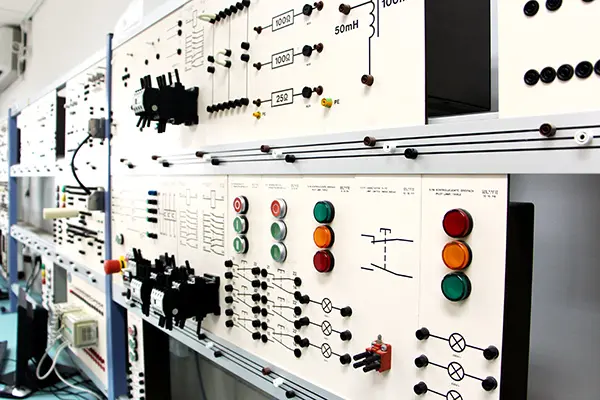 Motor Control Center MCC
 Data Center
 Environmental Industry
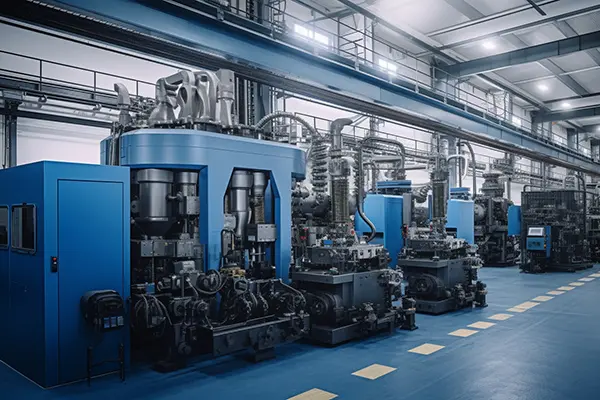 Industrial Machinery
 New Energy
 Pharmaceutical Manufacturing
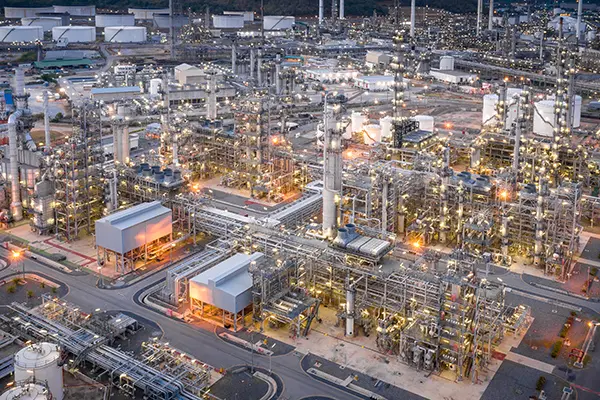 Petroleum & Chemical
 Marine & Offshore & Ship
 Food processing / agricultural production