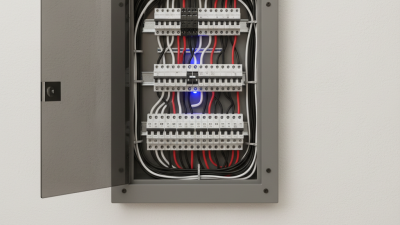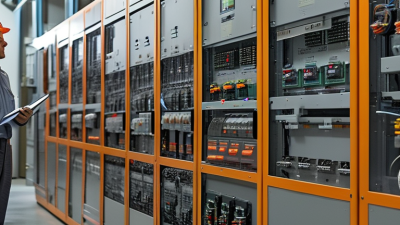

Choosing the right Traffic Control Cabinet supplier in 2026 requires more than comparing product prices. Road authorities, system integrators, and contractors need dependable enclosures that protect controllers, communication devices, power systems, and monitoring equipment. A cabinet may look strong in a showroom, yet fail under heat, moisture, vibration, or repeated maintenance visits.
This guide examines leading suppliers worldwide through practical purchasing criteria. These include cabinet materials, thermal management, wiring space, ingress protection, corrosion resistance, safety design, customization, and after-sales support. It also considers manufacturing experience, quality-control procedures, testing records, and project references. Suppliers with clear documentation and responsive engineering teams usually provide greater confidence during installation and long-term operation. Small details matter. A well-positioned service panel can reduce roadside maintenance time. A reliable cooling system can protect sensitive electronics during summer traffic peaks.
The word “best” remains subjective. Local standards, climate, road design, budget, and integration requirements can change the final choice. Some established suppliers may offer excellent durability but limited customization. Others may respond quickly yet lack extensive international experience. That difference deserves careful review. Specifications alone do not tell the whole story. Field feedback, warranty handling, spare-parts availability, and delivery consistency often reveal more. This overview aims to provide a balanced starting point for evaluating 2026 suppliers. It does not replace technical verification, site assessment, or independent compliance checks. Mistakes still happen, especially when buyers overlook installation conditions or future expansion needs. Careful comparison remains essential.
2026 Best Traffic Control Cabinet Suppliers Worldwide?
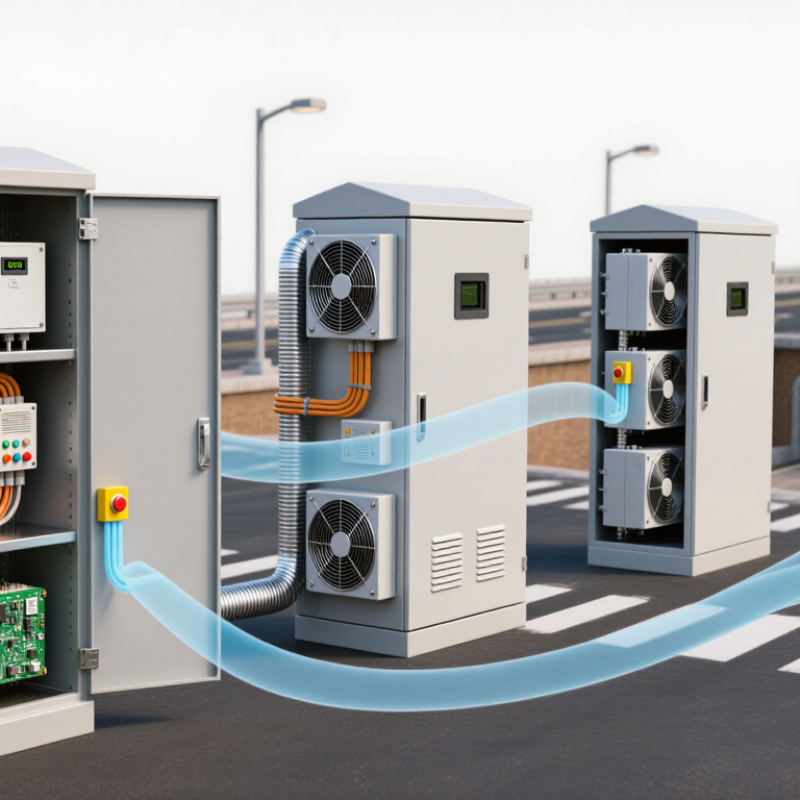
Traffic control cabinets are protective enclosures for intersection control equipment. They house signal controllers, power units, communication devices, and detection interfaces. The cabinet protects these components from rain, dust, heat, vibration, and accidental contact. Small details matter. During field inspections, technicians often check door seals, cable routing, grounding, and terminal tightness. A loose connection can interrupt a busy junction. Heat buildup can shorten component life.
These cabinets matter because traffic signals must operate safely and consistently. A well-designed enclosure supports stable power distribution and easier maintenance. Clear internal labeling helps technicians identify faults without disturbing unrelated wiring. Ventilation, surge protection, and organized access also improve long-term reliability. However, protection is not automatic. Poor installation, neglected filters, or overcrowded wiring can create avoidable failures.
For the 2026 global supplier market, buyers should examine documented testing, material quality, customization capability, and technical support. Suppliers should explain enclosure ratings, operating temperature ranges, controller compatibility, and maintenance requirements in plain language. Reliable manufacturers also provide inspection records and replacement guidance. Experience in coastal, tropical, and cold climates is valuable because cabinet demands vary sharply. One weakness remains common: specifications may look impressive while service response is vague. Ask practical questions before purchasing. Who supports commissioning? How are spare parts identified? What happens after the warranty ends?
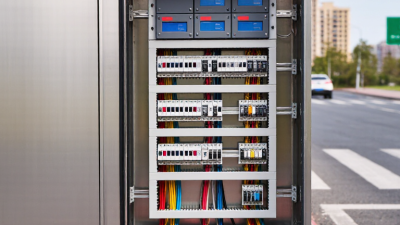
How to Evaluate Traffic Control Cabinet Suppliers in 2026
Evaluating traffic control cabinet suppliers requires more than comparing prices. Check their experience with intersections, pedestrian systems, emergency routes, and harsh outdoor conditions. Request project references, factory photographs, wiring diagrams, and recent test reports. A polished brochure proves little. Reliable suppliers explain how cabinets perform during heat, rain, vibration, and power fluctuations.
Examine technical compliance carefully. Verify enclosure ratings, corrosion protection, thermal management, grounding design, component traceability, and compatibility with local signal equipment. Ask whether quality checks include factory acceptance testing and documented inspection records. Suppliers should provide clear drawings, installation instructions, spare-parts guidance, and responsive technical support. Their engineers must explain limitations without hiding behind general promises.
Study the complete ownership cost, not only the purchase quotation. Compare expected service life, maintenance access, replacement lead times, warranty terms, and software or configuration support. Evaluate production capacity through realistic delivery records, not optimistic schedules. A supplier with strong field experience should describe previous failures and corrective actions openly. This matters because even a well-built cabinet may suffer from poor ventilation, rushed wiring, or unclear maintenance procedures. I would also test communication before signing: ask one detailed question and measure the response. Slow, vague answers often become expensive later. No supplier is perfect. Your evaluation should record both strengths and unresolved risks.
| No. | Evaluation Dimension | Weight | Recommended 2026 Benchmark | Data to Verify | Scoring Guidance |
|---|---|---|---|---|---|
| 1 | Product Safety and Standards | 20% | Documented compliance with the standards and electrical codes required in the target market, such as NEMA TS 2, EN 12675, IEC 61439, or equivalent local requirements. | Valid test reports, conformity declarations, wiring diagrams, component ratings, grounding design, overcurrent protection, and independent laboratory documentation. | Full score only when compliance is relevant to the destination country and supported by current technical evidence. |
| 2 | Environmental Protection | 12% | Enclosure protection suitable for the installation environment, with a clearly stated IP or NEMA rating and corrosion-resistant construction where required. | Enclosure rating certificates, material specifications, coating process, door-seal details, drainage provisions, and corrosion-test results. | Give higher scores to suppliers that match the specified outdoor, coastal, dusty, or high-humidity conditions without unnecessary over-specification. |
| 3 | Thermal and Climate Performance | 10% | Published operating-temperature, humidity, altitude, and ventilation limits supported by calculations or test evidence for the project location. | Thermal calculations, fan or heater specifications, thermostat settings, derating information, climate test records, and local installation guidance. | Prioritize designs that maintain reliable operation across seasonal extremes and include maintainable thermal-management components. |
| 4 | Configuration and Interoperability | 14% | Compatibility with the required traffic signal controller, detection equipment, communications network, power system, and cabinet accessories. | Interface schedules, I/O lists, communication protocols, controller compatibility statements, sample drawings, and integration test results. | Score highly when the supplier can integrate mixed equipment and provide documented interfaces instead of relying on undocumented custom work. |
| 5 | Manufacturing Quality System | 12% | A controlled production process with traceability, inspection records, documented corrective actions, and a quality-management system such as ISO 9001 where applicable. | Quality certificate scope, incoming-material records, in-process inspection plans, final test reports, serial-number traceability, and nonconformance procedures. | Reduce scores when certification scope does not cover the relevant product or when inspection records are unavailable. |
| 6 | Customization and Engineering Support | 10% | Ability to produce project-specific layouts, terminal schedules, cabinet wiring, protection schemes, and documentation without compromising standardization. | Approved drawings, bill of materials, revision-control process, design review records, prototype capability, and named technical responsibilities. | Give additional credit for suppliers that offer design reviews, factory acceptance testing, and clear change-control procedures. |
| 7 | Delivery and Supply-Chain Reliability | 10% | A documented production schedule, realistic lead-time commitment, controlled component sourcing, and contingency planning for critical parts. | Historical on-time delivery data, production capacity, approved-substitute policy, inventory approach, logistics plan, and escalation contacts. | Use verified historical performance rather than quoted lead time alone; separate standard products from engineered-to-order products. |
| 8 | Warranty, Service, and Spare Parts | 8% | Clearly defined warranty terms, technical-response commitments, replacement-part availability, troubleshooting support, and repair procedures. | Warranty document, service-level commitments, spare-parts list, remote-support process, field-service coverage, and failure-reporting procedure. | Higher scores should reflect measurable response times, long-term parts availability, and support in the installation region. |
| 9 | Total Cost of Ownership | 4% | Evaluation based on purchase price plus commissioning, energy use, maintenance, spare parts, downtime risk, and expected service life. | Itemized quotation, energy requirements, maintenance intervals, component replacement costs, training fees, and lifecycle assumptions. | Do not select solely on initial price; compare equivalent specifications, exclusions, and lifecycle costs. |
| Total Evaluation Weight | 100% | Recommended method: rate each dimension from 1 to 5, multiply by the assigned weight, and require all mandatory safety and compliance criteria to pass. | |||
In 2026, leading traffic control cabinet production is concentrated across several practical manufacturing regions. East Asia offers strong electronics capacity, efficient metal fabrication, and mature assembly networks. Suppliers there often support custom layouts, controller integration, and high-volume orders. Factory visits can reveal details that brochures miss, including wiring discipline, enclosure sealing, and test procedures. Small details matter.
Europe remains influential for precision engineering and strict quality management. Manufacturers commonly focus on modular cabinets, thermal control, corrosion protection, and long service intervals. Regional expertise is valuable for complex urban systems with limited roadside space. However, delivery costs and documentation requirements may increase for overseas buyers. Actual performance still depends on the individual factory.
North America provides experienced production for large roadside cabinets and severe-weather applications. Suppliers often understand snow loads, heat exposure, surge protection, and maintenance access.
Southeast Asia is also expanding, supported by competitive labor, improving electronics skills, and growing infrastructure demand. Quality can vary between facilities, so an audit should examine component traceability and final inspection records.
The Middle East offers useful manufacturing and assembly capabilities for extreme heat and dust. Cabinets may require stronger cooling designs and carefully selected seals. No region is automatically the best choice. A reliable evaluation should compare testing depth, field experience, spare-part support, and communication speed. Some suppliers look excellent on paper but struggle with changing specifications. That risk deserves attention.
Traffic control cabinet suppliers in 2026 are offering more than weatherproof metal enclosures. Their core products include compact roadside cabinets, modular signal controllers, detector interfaces, power distribution units, and backup energy systems. Buyers should check enclosure ratings, thermal performance, cable access, and service space before comparing prices. A cabinet that looks efficient on paper may become difficult to maintain beside a busy junction.
Leading suppliers now integrate adaptive signal control, edge computing, and secure remote diagnostics. These systems collect data from radar, video, and connected detectors, then adjust signal timing when traffic patterns change. Some cabinets include industrial switches, fiber interfaces, surge protection, and battery monitoring. Interoperability matters. Controllers should communicate through recognized traffic protocols and support upgrades without replacing the entire cabinet.
Small details affect reliability. Fans need filters. Doors need strong seals. Terminals should remain accessible with gloves. Field inspections often reveal crowded wiring and unclear labels, even in well-designed installations. That is a costly weakness. Suppliers with documented testing, traceable components, cybersecurity procedures, and responsive technical support offer stronger long-term value. Buyers should request temperature test results, maintenance records, software update policies, and spare-parts availability. The best specification is not always the most advanced one. It is the one technicians can understand, repair, and safely operate years later.
Selecting the right traffic control cabinet supplier begins with field requirements, not catalogue size. Define signal load, detector types, cabinet dimensions, communication protocols, climate exposure, and maintenance access. INRIX’s 2024 Global Traffic Scorecard reported that U.S. drivers lost about 43 hours to congestion annually. Reliable cabinet performance can therefore support measurable operational savings.
Request evidence of compliance with applicable standards, including NEMA TS 2 or relevant IEC requirements. Confirm testing for temperature, humidity, vibration, electrical surges, and communication faults. Ask for factory acceptance records, wiring diagrams, component traceability, and documented software versions. Details matter. A polished enclosure can still hide weak testing.
Evaluate lifecycle value rather than the lowest purchase price. The supplier should provide spare-part availability, response times, remote diagnostics, technician training, and clear warranty limits. FHWA guidance emphasizes coordinated signal timing, detection quality, and regular maintenance as practical factors affecting intersection performance. Compare at least three technical proposals using the same scoring sheet. Include installation hours and five-year maintenance costs. Do not accept vague claims about “smart” control. Require a live demonstration with simulated detector failure and cabinet power recovery. One limitation remains: published compliance does not guarantee field reliability. Visit an operating installation, interview its maintenance team, and inspect corrosion, labeling, ventilation, and cable routing before signing.