 Intelligent Manufacturing / Industry 4.0
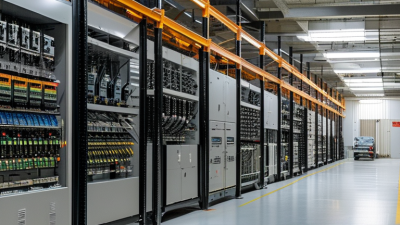
 Motor Control Center MCC
 Data Center
 Environmental Industry
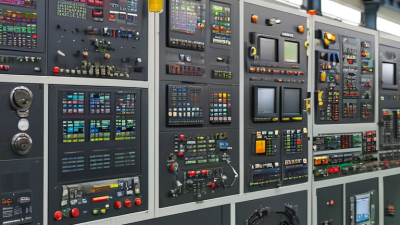
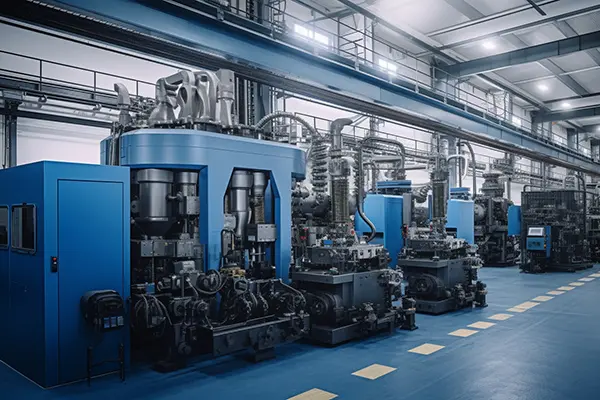 Industrial Machinery
 New Energy
 Pharmaceutical Manufacturing
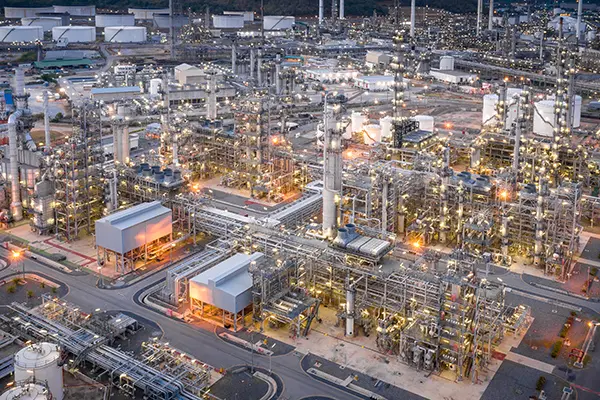 Petroleum & Chemical
 Marine & Offshore & Ship
 Food processing / agricultural production
Leave Your Message
Selecting the right Mcc Electrical panel begins with understanding how power, control, and maintenance work together. Global buyers face different voltages, standards, climates, and operating habits. A panel proven in one factory may perform poorly in another. That difference matters.
This guide examines ten common MCC electrical panel types used in industrial facilities. It considers fixed and withdrawable designs, intelligent motor control centers, weatherproof enclosures, and arc-resistant solutions. Each type serves a different operating need. Some prioritize low initial cost. Others reduce downtime through safer access and smarter diagnostics. Practical evaluation should include motor ratings, short-circuit capacity, enclosure protection, busbar design, communication protocols, and spare-part availability.
Real project experience shows that specifications alone cannot guarantee reliability. Installation quality, cable routing, ventilation, and commissioning also influence service life. A dusty cement plant needs different protection from a clean indoor water-treatment room. Coastal sites may require stronger corrosion resistance. Cold regions can demand heater systems inside the enclosure. Small details matter.
No selection guide is perfect. Site data can be incomplete. That assumption can fail. Buyers should verify local electrical requirements, manufacturer certifications, testing records, and after-sales support before placing an order. Independent inspection and routine maintenance add further confidence. The following overview offers a practical starting point for comparing ten Mcc Electrical panel types, while recognizing that final selection depends on the actual load, environment, workforce, and risk profile.
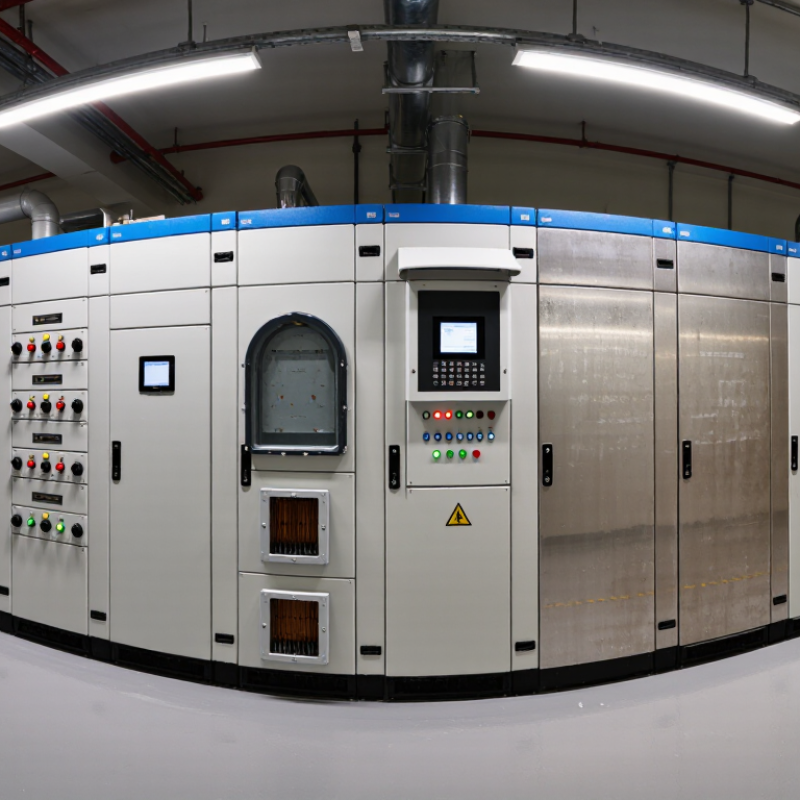
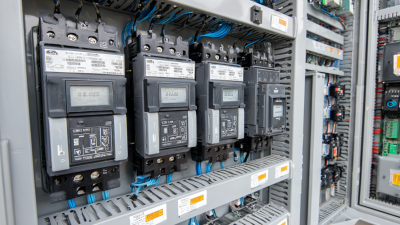
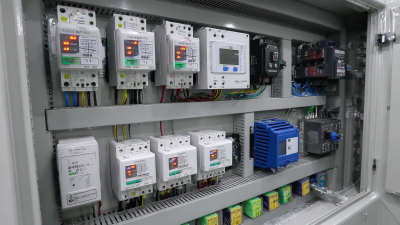
For global buyers, an MCC electrical panel is a centralized assembly for controlling and protecting motors. It houses motor starters, circuit breakers, overload relays, busbars, and control devices. Its purpose is straightforward: distribute power safely and manage multiple motors from one location. Core functions include starting, stopping, isolating, protecting, and monitoring motor circuits. Operators can control pumps, fans, compressors, and conveyors without opening every local enclosure.
Common MCC types include fixed, withdrawable, intelligent, weather-resistant, and low-voltage designs. Each type suits different operating conditions. A withdrawable unit can reduce maintenance time, while an intelligent MCC can provide current, fault, and energy data. In practice, heat, dust, humidity, and limited floor space often influence the selection more than the catalog title. A technically correct panel may still be unsuitable for a harsh site. That detail deserves more attention.
Tips: Confirm the incoming voltage, motor ratings, fault level, enclosure rating, and installation environment before ordering. Check whether local electrical standards require specific testing or documentation. Ask for wiring diagrams, protection settings, factory inspection records, and spare-part information. During commissioning, test emergency stops and overload trips under controlled conditions. Do not assume identical motors need identical settings. Small differences matter. Reviewing cable access and ventilation early can prevent expensive field changes.
| No. | MCC Panel Type | Typical Voltage & Frequency | Typical Current Range | Construction or Protection Feature | Primary Purpose | Core Functions | Common Standards or References | Suitable Applications |
|---|---|---|---|---|---|---|---|---|
| 1 | Fixed-Compartment Low-Voltage MCC | 380–480 V AC; 50/60 Hz | Main bus typically 400–4,000 A; motor feeders commonly 5–400 A | Withdrawable or fixed starter components are installed in permanent compartments; compartment access may require shutdown. | Centralized control and distribution of power for multiple low-voltage motors. | Motor starting, overload protection, short-circuit protection, isolation, local control, and feeder distribution. | IEC 61439-1 and IEC 61439-2; UL 845; NEMA ICS 18, depending on the market. | General industrial plants, water treatment facilities, commercial utilities, and manufacturing lines. |
| 2 | Withdrawable MCC | 380–690 V AC; 50/60 Hz | Main bus typically 400–5,000 A; feeder ratings depend on the starter design | Motor control units can be moved between connected, test, disconnected, and removed positions. | Fast maintenance and reduced downtime for plants with many motor feeders. | Motor starting, circuit isolation, test operation, feeder replacement, interlocking, and maintenance access. | IEC 61439-1/-2, UL 845, and applicable local electrical installation rules. | Continuous-process plants, large water and wastewater systems, mining, cement, and chemical processing. |
| 3 | Intelligent or Smart MCC | 380–690 V AC; 50/60 Hz | Typically 400–4,000 A main bus; feeder ratings vary by motor load | Combines conventional motor starters or drives with electronic monitoring and networked control. | Improve operational visibility, diagnostics, energy monitoring, and predictive maintenance. | Remote start/stop, current and voltage monitoring, thermal-model protection, fault logging, energy data, and communication with a control system. | IEC 61439 or UL 845 assembly requirements; communication and functional safety requirements depend on the system design. | Automated factories, process industries, data-center utilities, HVAC plants, and energy-intensive facilities. |
| 4 | Form 2 Internal-Separation MCC | 380–690 V AC; 50/60 Hz | Commonly 400–3,200 A main bus | Busbars are separated from functional units; terminals and components may share a functional space, depending on the exact Form 2 subdivision. | Provide basic internal separation while maintaining a compact and economical design. | Motor control, feeder protection, busbar distribution, isolation, and basic personnel protection. | IEC 61439-2 Form 2 separation classification. | Standard industrial distribution where moderate separation and cost efficiency are required. |
| 5 | Form 3 Internal-Separation MCC | 380–690 V AC; 50/60 Hz | Commonly 400–4,000 A main bus | Functional units are separated from each other and from the main bus; external conductor terminals receive additional separation. | Increase safety and reduce the possibility of accidental contact during maintenance. | Motor starting, short-circuit protection, functional-unit isolation, segregated cable termination, and controlled maintenance access. | IEC 61439-2 Form 3 separation classification. | Industrial production lines, utilities, process skids, and facilities with frequent maintenance activity. |
| 6 | Form 4 Internal-Separation MCC | 380–690 V AC; 50/60 Hz | Commonly 400–5,000 A main bus | Functional units are segregated from one another and from the busbars; outgoing terminals are separated according to the selected Form 4 subdivision. | Provide a high level of operational continuity and maintenance safety. | Motor control, feeder protection, segregated termination, isolation, reduced fault propagation risk, and maintenance with limited interruption. | IEC 61439-2 Form 4 separation classification. | Oil and gas facilities, chemical plants, pharmaceuticals, airports, hospitals, and critical infrastructure. |
| 7 | NEMA-Type MCC | Typically 208–600 V AC; 60 Hz, with regional variations | Common bus ratings range from approximately 300–5,000 A | Designed around North American motor-control construction practices, enclosure classifications, and feeder arrangements. | Provide integrated motor control and power distribution for North American installations. | Across-the-line starting, reduced-voltage starting, overload protection, disconnecting means, control circuits, and feeder protection. | NEMA ICS 18, UL 845, and the National Electrical Code where applicable. | North American industrial plants, commercial facilities, infrastructure projects, and OEM machinery systems. |
| 8 | Variable-Frequency-Drive MCC | 380–690 V AC; 50/60 Hz | Main bus commonly 400–4,000 A; drive feeders are selected by motor power and input current | Includes variable-frequency drives, bypass starters, line reactors, harmonic filters, or output isolation where required. | Control motor speed, torque, acceleration, deceleration, and energy consumption. | Adjustable-speed control, ramp control, overload protection, motor thermal protection, bypass operation, and drive fault monitoring. | IEC 61439, IEC 61800 series, UL 845, and applicable EMC requirements. | Pumps, fans, conveyors, compressors, HVAC systems, mixers, and variable-load process equipment. |
| 9 | Soft-Starter MCC | 380–690 V AC; 50/60 Hz | Main bus typically 400–4,000 A; starter ratings are selected by motor current and duty cycle | Uses solid-state soft starters to limit motor starting current and mechanical shock; bypass contactors may be included. | Provide controlled motor acceleration and deceleration without continuously varying operating speed. | Reduced-voltage starting, current limiting, ramp control, kick-start, overload protection, and bypass operation. | IEC 61439, IEC 60947-4-2, UL 845, and applicable local requirements. | Large pumps, compressors, crushers, fans, conveyors, and applications where direct-on-line starting causes voltage or mechanical problems. |
| 10 | Outdoor or Weatherproof MCC | 380–690 V AC; 50/60 Hz | Main bus commonly 400–3,200 A; final rating depends on enclosure cooling and environmental conditions | Uses a suitable outdoor enclosure, rain protection, sealed cable entries, anti-condensation heating, ventilation, and corrosion-resistant finishes where required. | Operate motor-control equipment in exposed or semi-exposed environments. | Motor starting, feeder distribution, environmental protection, temperature management, isolation, and remote monitoring. | IEC 60529 IP ratings, NEMA enclosure classifications, IEC 61439, and applicable environmental regulations. | Water treatment, utility pumping stations, renewable-energy facilities, infrastructure sites, ports, and outdoor process plants. |