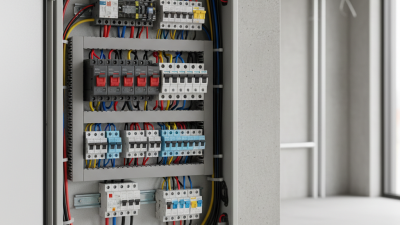
What Are the Top Current Transformer Cabinet Types in 2026?
In 2026, the Current Transformer Cabinet is no longer a simple enclosure around measuring equipment. It is a critical interface between medium-voltage networks, protection systems, meters, and maintenance teams. Cabinet selection now affects measurement accuracy, thermal performance, safety, installation time, and future expansion. A poorly matched cabinet may create unnecessary heat, difficult cable access, or unreliable readings during peak demand.
This guide examines the top current transformer cabinet types used in modern substations, commercial facilities, renewable-energy sites, and industrial distribution systems. It considers indoor metal-enclosed cabinets, outdoor weatherproof cabinets, combined metering and protection cabinets, and compact designs for space-limited installations. Each type has a practical purpose. Indoor cabinets often support controlled environments and easier inspection. Outdoor models require stronger sealing, corrosion resistance, and drainage details. Protection cabinets demand dependable insulation coordination and clearly separated circuits.
Field experience shows that specifications alone do not guarantee a good result. Actual conductor size, short-circuit level, ventilation, ambient temperature, and access space can change the best choice. Small details matter. A loose terminal, an incorrect ratio, or an overlooked burden requirement can distort measurements. That assumption can fail.
Reliable evaluation should follow recognized electrical standards, manufacturer data, and qualified engineering review. It should also consider commissioning records and maintenance feedback, not only purchase price. The most advanced cabinet is not always the most suitable one. The right design balances accuracy, safety, durability, serviceability, and project cost. Some installations still need more careful verification than this overview can provide.
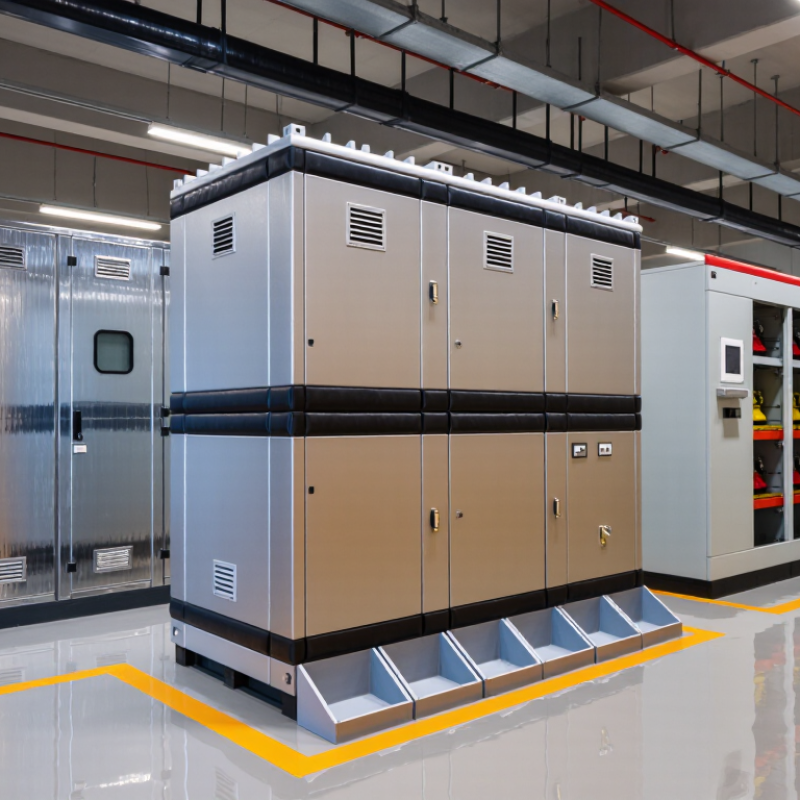
What Is a Current Transformer Cabinet and What Does It Contain?
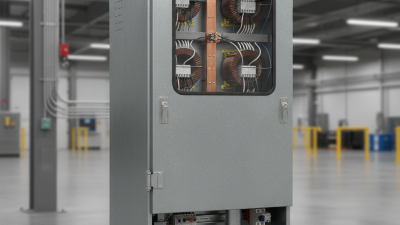
A current transformer (CT) cabinet is an enclosure for measuring and protection equipment connected to electrical conductors. Its CTs convert high primary current into a smaller, standardized signal that meters and protective relays can read. The cabinet keeps these connections organized and accessible. Layouts vary with voltage, conductor arrangement, and indoor or outdoor installation.
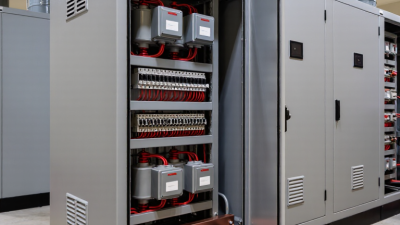
Inside, you may find CTs, insulated busbar supports, secondary terminal blocks, shorting or test links, and wiring to meters or relays. Some cabinets also include a grounding bar and equipment labels. Details matter: technicians check the CT ratio, polarity, accuracy class, and connected burden against the design.
An energized CT secondary must not be left open. That can create hazardous voltage.
The International Energy Agency’s Electricity 2024 report states that global electricity demand rose 2.2% in 2023 and projects average annual growth of 3.4% from 2024 through 2026. This is not a forecast of cabinet sales. It does underline the importance of reliable measurement and protection as electrical systems expand. A practical cabinet should leave enough room to inspect terminals and trace wiring—an easy detail to underestimate on a drawing.
How Are Current Transformer Cabinets Classified by Installation Method?
Current transformer cabinets are often classified by how they are installed: wall-mounted, floor-standing, pole-mounted, or integrated into switchgear. The right choice depends on the site layout, access needs, and exposure to weather. Details matter.
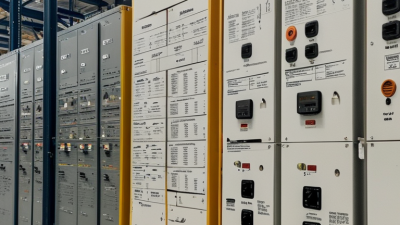
Wall-mounted cabinets suit compact indoor rooms where a clear floor helps technicians move equipment. Installers check the wall’s load capacity and leave space to open doors and inspect terminals. Floor-standing cabinets are common where several CTs, test blocks, or cable connections need room. They need a level base and enough clearance for safe maintenance.
Pole-mounted cabinets can serve outdoor distribution points, keeping metering equipment near overhead lines. Their enclosure and cable entries must suit local weather and the installation environment. Integrated cabinets fit within switchgear assemblies, creating a tidy arrangement, though replacement access may be less convenient. This distinction can blur in real projects: a cabinet may be floor-standing yet part of a larger indoor assembly. Check the CT ratings, wiring plan, enclosure protection, and site specifications before selecting an installation method. Even small access gaps can become awkward later.
Which Current Transformer Cabinet Types Are Leading in 2026?
Which Current Transformer Cabinet Types Are Leading in 2026?
In 2026, leading current transformer cabinet types are still defined by their job and installation environment. Metering cabinets are designed for accurate measurement, with space for CTs, secondary wiring, and accessible test blocks. Protection cabinets prioritize clear circuit separation and dependable connections to relays. Combined metering-and-protection cabinets serve installations that need both functions in one enclosure. The layout matters.
For indoor substations, metal-enclosed cabinets are common because they protect components and keep wiring organized. Outdoor cabinets use sealed enclosures, weather-resistant finishes, and cable entries suited to exposed locations. In compact switchgear rooms, integrated CT compartments can save floor space, but maintenance access should not be an afterthought. A tight cabinet can look efficient on a drawing and feel awkward in the field.
The right type depends on voltage class, insulation arrangement, short-circuit requirements, accuracy needs, and local operating conditions. Engineers should check CT ratios, burden, polarity markings, clearances, and terminal access against the project design. No single cabinet type leads everywhere. Even familiar categories can overlap, so product descriptions alone may not reveal whether a cabinet fits a specific measurement or protection scheme.
How Should Users Select the Right Current Transformer Cabinet Type?
Selecting the right current transformer cabinet starts with the installation, not the cabinet’s appearance. Indoor fixed cabinets suit clean electrical rooms with stable temperatures. Outdoor weatherproof cabinets need sealed doors, drainage, corrosion-resistant materials, and suitable ingress protection. In coastal or dusty locations, small sealing weaknesses become serious maintenance problems.
Users should match the cabinet to voltage, primary current, short-circuit level, and available space. Check whether the transformers serve metering, protection, or both. Metering applications require suitable accuracy under normal load. Protection circuits may need different saturation performance during faults.
A withdrawable cabinet can simplify inspection and replacement, but it usually costs more and needs careful interlocking. Compact designs save floor space. They can also make cable bending and testing uncomfortable.
Review the secondary circuit carefully. Never leave an energized current transformer secondary open. Provide safe test terminals, clear labels, and accessible grounding points. Confirm thermal performance when several transformers share a small enclosure. A cabinet that passes factory checks may still fail field expectations if ventilation is poor. That detail is often underestimated. Ask for routine test records, wiring diagrams, material specifications, and compliance evidence for applicable electrical standards. Also consider future expansion. Two spare cable entries may prevent expensive modifications later. In practice, the cheapest cabinet is not always the economical choice. Selection teams should document their assumptions, because load growth and site conditions often change faster than expected.

 Intelligent Manufacturing / Industry 4.0
 Motor Control Center MCC
 Data Center
 Environmental Industry
 Industrial Machinery
 New Energy
 Pharmaceutical Manufacturing
 Petroleum & Chemical
 Marine & Offshore & Ship
 Food processing / agricultural production