China Top 10 Control Panel Manufacturers for Global Buyers?
Choosing among China’s top 10 Control Panels manufacturers requires more than comparing factory photos or export figures. Global buyers need evidence of engineering competence, production consistency, testing discipline, and responsive technical support. A polished enclosure means little if wiring labels are unclear, components are poorly documented, or service becomes difficult after installation.
Béla G. Lipták, a respected process-control engineer and editor of the Instrument Engineers’ Handbook, stated, “The purpose of process control is to keep a process at the desired operating condition.” This principle remains practical today. A dependable panel should protect that condition through accurate design, stable components, clear operator interfaces, and carefully verified safety functions.
This guide examines ten Chinese manufacturers serving international projects. It considers enclosure quality, PLC and HMI integration, motor-control capability, customization, factory testing, certifications, documentation, and after-sales communication. It also looks at details buyers often overlook, such as terminal spacing, heat management, spare-part availability, and the clarity of wiring diagrams.
The ranking is not absolute.
A large manufacturer may not suit every project. A smaller specialist could offer better communication or faster modifications. That is worth admitting. Supplier selection always depends on voltage standards, industry risks, delivery expectations, and required compliance.
For buyers comparing quotations, this overview offers a practical starting point. It does not replace technical audits, sample inspections, or contract review. Those steps still matter. Reliable Control Panels begin with reliable evidence.
Global Control Panel Market Scope: Key 2024 Demand and Growth Indicators
China Top 10 Control Panel Manufacturers for Global Buyers?
Global Control Panel Market Scope: Key 2024 Demand and Growth Indicators
The global control panel market is expanding with factory automation, energy upgrades, and infrastructure investment. A 2024 IMARC Group estimate places the market near USD 8 billion, with steady growth expected through 2032. Market definitions differ, however. Some reports include motor control centers, while others cover only industrial electrical panels.
Demand is visible on factory floors. The International Federation of Robotics reported 541,302 industrial robots installed worldwide in 2023.
In addition, the International Energy Agency reported that global clean energy investment would exceed USD 2 trillion in 2024.
More robots require safer power distribution, programmable control, emergency circuits, and clearer maintenance access. Solar, storage, and grid projects are creating new panel requirements.
For global buyers comparing China’s top ten control panel manufacturers, certification evidence matters more than catalog size. Check IEC 61439 design verification, short-circuit ratings, enclosure protection, thermal calculations, and factory test records. Ask for wiring photographs. Ask for test reports, too.
A practical quotation should identify copper busbar size, component ratings, ventilation, cable entry direction, and spare capacity. These details affect shipping, installation, and future maintenance. Regional standards can also change the design. A panel suitable for one market may need different markings or protection settings elsewhere.
Price remains important, but it is an imperfect indicator.
A cheaper enclosure can hide weaker heat management or limited documentation.
Buyers should compare the complete delivered system, not only the cabinet price.
Selection Criteria: IEC 61439, UL 508A, IP Ratings, and Production Capacity
When comparing China’s top 10 control panel manufacturers for global buyers, compliance should guide the shortlist. IEC 61439 evidence shows whether low-voltage assemblies were designed and verified under recognized requirements. Ask for routine test records, temperature-rise data, and clear assembly documentation. A certificate alone is not enough.
For North American projects, UL 508A capability matters. Confirm the manufacturer understands short-circuit current ratings, enclosure construction, wiring methods, and listed components. IP ratings should match the installation environment. An IP54 panel may suit an indoor plant, while dusty or washdown areas may require stronger protection. Production capacity also deserves a practical review. Check monthly output, testing equipment, engineering staff, and quality controls. A large workshop can still miss small details.
Tips: Request a sample inspection, video factory audit, and recent test documents. Compare drawings with the finished panel, including cable entries, labels, cooling, and spare space. I have learned that attractive documentation can hide weak process control. Ask difficult questions early. Also, do not judge capacity only by equipment quantity; stable workmanship and delivery records are more reliable. Leave room for technical revisions, because the first specification is rarely perfect.
China’s Top 10 Control Panel Manufacturers Ranked by Verified Industry Metrics
China Top 10 Control Panel Manufacturers for Global Buyers?
China’s Top 10 Control Panel Manufacturers Ranked by Verified Industry Metrics
Choosing a control panel manufacturer requires more than comparing factory prices. A credible ranking should use verified industry metrics, not promotional claims. Key measures include documented certifications, completed project records, production capacity, testing procedures, export experience, and after-sales response times.
The strongest manufacturers usually provide wiring diagrams, component traceability, inspection reports, and clear delivery schedules. Their engineers can explain load calculations, enclosure protection, thermal management, and control logic in practical terms. Factory audits also reveal details that websites often hide, such as cable labeling, terminal quality, and testing discipline. However, no ranking is perfect. A manufacturer with strong export data may still lack experience in a buyer’s specific industry. That difference deserves careful review.
Tips: Ask for recent project references, sample inspection records, and a video tour of the assembly area. Confirm whether testing covers insulation, continuity, functional operation, and emergency circuits. Request a detailed quotation with excluded items clearly listed. Small omissions can create expensive delays. Buyers should also compare engineering support, spare-part availability, communication speed, and warranty handling. These details may matter more than a low initial price. Metrics should guide the shortlist, while technical verification should make the final decision.
Product Comparison: Voltage, Current, Enclosure IP Rating, and Certifications
China Top 10 Control Panel Manufacturers for Global Buyers?
Global buyers comparing China-made control panels should start with electrical fit, not catalogue appearance. Verify rated voltage, operating voltage, frequency, and insulation levels. A 400 V panel may not suit every distribution system. Check busbar current, breaker capacity, short-circuit ratings, and spare capacity for future loads. Ask for temperature-rise data under continuous current. Small details matter.
Enclosure protection changes installation risk. IP54 may suit clean indoor rooms, while IP65 offers stronger protection against dust and water jets. The rating does not prove resistance to chemicals, condensation, or pressure washing. Request test conditions under IEC 60529. In dusty workshops, inspect door gaskets, cable glands, hinges, and drainage points. Look closely. An attractive enclosure can still leak through poorly fitted cable entries.
Certification evidence must match the delivered panel. For export projects, request applicable CE documentation, IEC 61439 verification, and quality-system records. North American projects may require different construction and certification requirements. ISO 9001 supports process control, but it does not automatically certify product safety. Request drawings, routine test reports, material lists, and traceable serial records. One weakness deserves attention: certificates can be generic or outdated. Compare them with the exact model, voltage, current, and enclosure configuration. No checklist is perfect. On-site inspection remains valuable.
China Top 10 Control Panel Manufacturers for Global Buyers? - Product Comparison: Voltage, Current, Enclosure IP Rating, and Certifications
| No. |
Supplier Profile |
Typical Product Focus |
Rated Voltage |
Rated Current |
Enclosure IP Rating |
Applicable Standards / Certifications |
Export Suitability |
| 1 |
Profile 01 |
Low-voltage distribution and motor-control panels |
380–415 VAC, 50/60 Hz |
63–630 A |
IP54–IP65 |
IEC 61439; IEC 60204-1; CE; RoHS; CCC where applicable |
Suitable for industrial machinery and commercial facilities |
| 2 |
Profile 02 |
PLC, HMI, VFD, and automation control cabinets |
220–480 VAC, 50/60 Hz |
16–400 A |
IP54–IP66 |
IEC 60204-1; IEC 61439; CE; EMC compliance; RoHS |
Well suited to OEM machinery and production lines |
| 3 |
Profile 03 |
Outdoor electrical and pump-control panels |
220–415 VAC, 50/60 Hz |
32–250 A |
IP55–IP66 |
IEC 61439; IEC 60529; CE; RoHS; weather-resistant enclosure options |
Appropriate for water treatment, HVAC, and outdoor utilities |
| 4 |
Profile 04 |
Custom process-control and instrumentation panels |
110–480 VAC; 24 VDC control circuits |
16–315 A |
IP54–IP65 |
IEC 60204-1; IEC 61000 series; CE; RoHS; project-specific documentation |
Suitable for process plants and system integrators |
| 5 |
Profile 05 |
Power distribution and automatic transfer panels |
380–415 VAC, 50/60 Hz |
100–1600 A |
IP31–IP54 indoor; up to IP65 with suitable enclosure |
IEC 61439; IEC 60947; CE; RoHS; CCC where applicable |
Designed for commercial buildings and backup-power systems |
| 6 |
Profile 06 |
Solar, battery-storage, and renewable-energy control panels |
230–400 VAC; 600–1000 VDC options |
32–800 A |
IP54–IP66 |
IEC 61439; IEC 62477-1 where applicable; CE; RoHS |
Suitable for photovoltaic plants and energy-storage projects |
| 7 |
Profile 07 |
Stainless-steel food, beverage, and pharmaceutical panels |
220–480 VAC, 50/60 Hz |
16–400 A |
IP65–IP69K options |
IEC 60204-1; IEC 60529; CE; RoHS; hygienic-design options |
Suitable for washdown areas and sanitary production environments |
| 8 |
Profile 08 |
HVAC, chiller, and building-management control panels |
220–415 VAC, 50/60 Hz |
16–250 A |
IP42–IP65 |
IEC 60204-1; IEC 61439; CE; RoHS; EMC documentation |
Suitable for commercial HVAC and facility-management systems |
| 9 |
Profile 09 |
Machine-tool and factory-automation control enclosures |
200–480 VAC; 24 VDC control circuits |
16–315 A |
IP54–IP65 |
IEC 60204-1; IEC 61439; CE; RoHS; UL 508A available for qualified panel shops |
Suitable for machinery exports and OEM integration |
| 10 |
Profile 10 |
Marine, coastal, and corrosion-resistant control panels |
220–440 VAC, 50/60 Hz |
32–630 A |
IP55–IP66 |
IEC 61439; IEC 60529; CE; RoHS; marine approvals available by project |
Suitable for ports, coastal infrastructure, and demanding environments |
Note: Ratings shown are representative engineering ranges for comparable control-panel configurations. Final voltage, current, IP rating, and certification status depend on the selected components, enclosure design, installation environment, and project requirements. Certification documents should be verified for the specific model before purchase.
Global Buyer Checklist: MOQ, Lead Time, Export Markets, Warranty, and Compliance
China Top 10 Control Panel Manufacturers for Global Buyers?
A practical shortlist should begin with MOQ, not marketing claims.
Small projects may need five to ten panels, while standardized orders often require higher quantities. Confirm whether the MOQ includes testing, drawings, and spare terminals. Lead time should be written clearly. A realistic quotation separates engineering, production, inspection, and shipping time. UNCTAD’s Review of Maritime Transport 2023 states that over 80% of global merchandise trade by volume moves by sea. Port congestion can still add unexpected days. Plan a buffer.
Export markets also reveal manufacturing maturity.
Ask for recent shipments to Europe, North America, Southeast Asia, or the Middle East. Request anonymized packing lists and destination-specific certificates. Compliance is product-dependent. IEC 61439 may apply to low-voltage assemblies, while EMC, RoHS, and destination marking requirements may also matter. Do not accept a generic certificate. Check model numbers, test scope, and issuing laboratory. A missing document can delay customs clearance.
Warranty terms deserve careful reading.
Twelve months after commissioning is common, but twenty-four months from shipment may provide weaker protection. Clarify remote support, replacement parts, response time, and labor responsibility. ISO’s 2023 survey recorded more than 1.5 million valid ISO 9001 certificates worldwide, yet certification alone does not prove panel quality. Inspect wiring labels, enclosure thickness, torque records, and factory test reports. A low price may be attractive. It may also hide weak documentation, and that risk is easy to underestimate.

 Intelligent Manufacturing / Industry 4.0
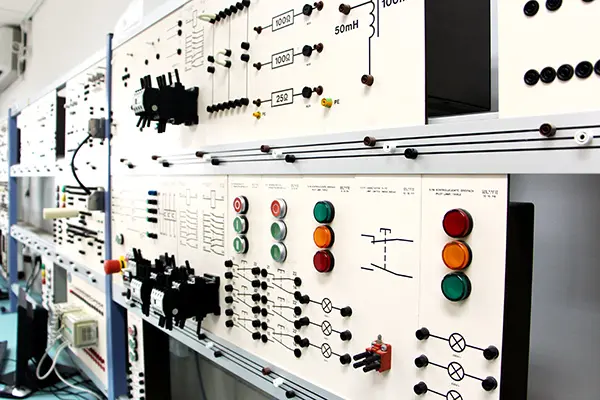 Motor Control Center MCC
 Data Center
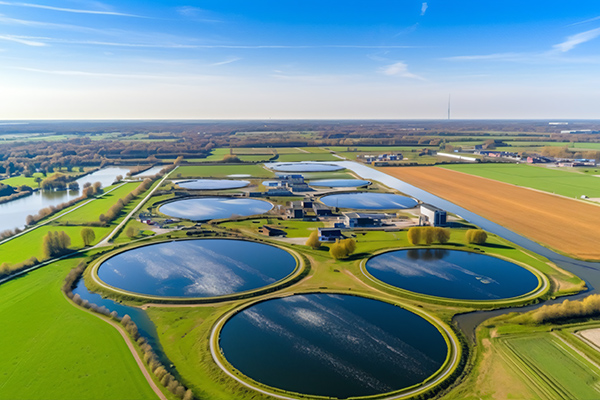 Environmental Industry
 Industrial Machinery
 New Energy
 Pharmaceutical Manufacturing
 Petroleum & Chemical
 Marine & Offshore & Ship
 Food processing / agricultural production