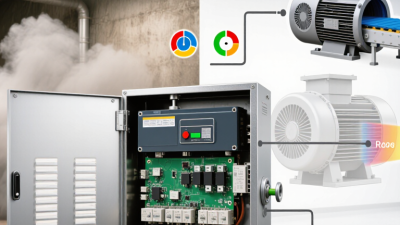
What Is a Motor Starter Control Panel?
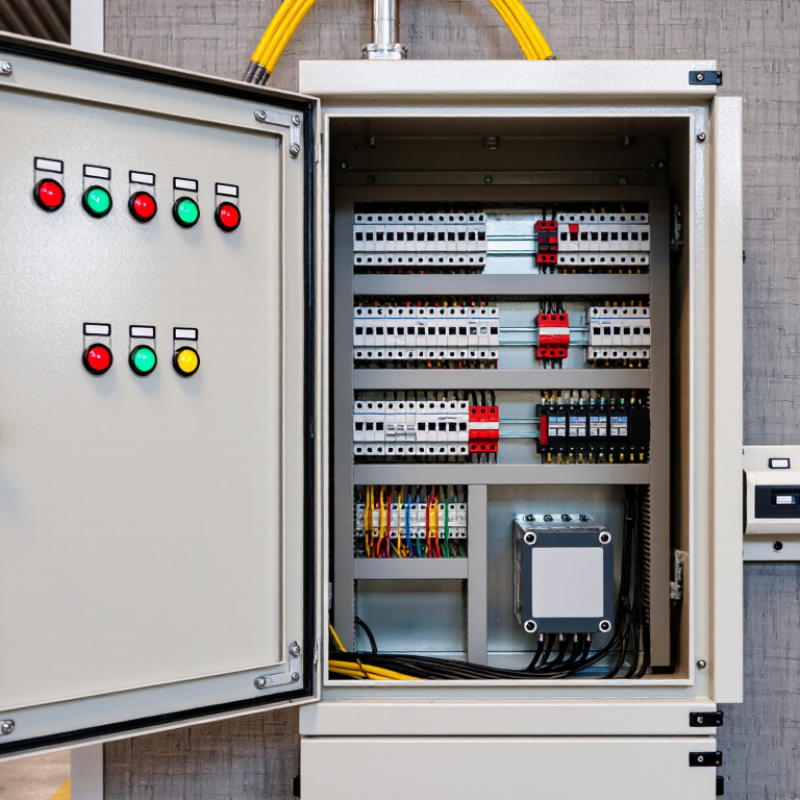
A Motor Starter Control Panel is the operating center between an electrical supply and an industrial motor. It controls starting, stopping, protection, and basic monitoring. Inside the enclosure, technicians may find contactors, overload relays, circuit breakers, terminal blocks, control transformers, and clearly labeled pushbuttons. Each component has a specific job. Together, they help a motor start smoothly and stop safely during abnormal conditions.
In practical installations, the panel must match the motor’s voltage, full-load current, starting method, and working environment. A dusty workshop may require a different enclosure than a clean indoor production area. Engineers and qualified electricians typically review wiring diagrams, motor data plates, fault levels, and maintenance access before selecting equipment. They also verify that protective settings suit the actual load, rather than copying values from an older project. Small details matter.
A loose terminal can create heat. A poor label can delay troubleshooting.
Reliable panels are built for clear operation and repeatable maintenance. Visual indicators can show power, running status, overload trips, or emergency stops at a glance. However, no control panel is automatically safe because it looks professional. Incorrect wiring, weak documentation, or ignored inspection intervals can still cause failures. That limitation deserves attention. This guide explains how a Motor Starter Control Panel works, what its main parts do, and how thoughtful design supports safer, more dependable motor control. It also considers practical weaknesses, because real equipment rarely performs perfectly without testing, maintenance, and qualified oversight.
Definition and Core Purpose of a Motor Starter Control Panel
What Is a Motor Starter Control Panel?
A motor starter control panel is an enclosure that starts, stops, protects, and monitors an electric motor. Its core purpose is controlled power delivery. The panel usually contains a disconnect device, contactor, overload relay, fuses or circuit breakers, and control wiring. Larger systems may include a control transformer, indicator lights, or a programmable controller.
When an operator presses a start button, the contactor closes and sends power to the motor. The overload relay watches for excessive current or prolonged electrical stress. If a fault occurs, it opens the control circuit and stops the motor. This protects the motor from overheating, while also reducing risks to connected equipment. A starter panel does not automatically control speed. That function normally requires separate drive equipment.
In field inspections, I check terminal tightness, enclosure condition, grounding, and overload settings. Small details matter. A loose connection can create heat inside a quiet cabinet. Incorrect settings can cause nuisance trips or leave the motor poorly protected. The panel must also match the motor’s voltage, current, starting method, and operating environment. A dusty workshop needs different enclosure protection than a clean indoor room. Not every installation follows the textbook. That assumption can be wrong. Good engineering leaves room for measured conditions, future maintenance, and the occasional design revision.
Main Components and Their Functions
A motor starter control panel manages how an electric motor starts, stops, and protects itself during operation. Inside, each component has a defined job. The main circuit breaker disconnects incoming power during maintenance or an emergency. Contactors switch motor current through electrically controlled contacts. A start button sends a control signal, while a stop button interrupts it. Small details matter here. Loose terminals can create heat, noise, or unexpected shutdowns.
Overload relays protect the motor from sustained excessive current. They do not replace short-circuit protection. Instead, they sense abnormal loading and open the control circuit when necessary. Fuses or circuit breakers handle fault currents more rapidly. Many panels also include control transformers, terminal blocks, indicator lights, and auxiliary contacts. The transformer can provide a lower control voltage. Indicator lights show conditions such as power available, motor running, or overload triggered. Clear labels make troubleshooting faster.
A programmable controller may coordinate several motors, sensors, and timing sequences. However, simple applications often work better with reliable relay logic. I have seen panels become difficult to service because unused wires were poorly marked. That mistake is avoidable. Engineers should verify voltage ratings, enclosure conditions, grounding, and overload settings before commissioning. Testing should include emergency stops, phase loss protection, insulation condition, and repeated start-stop cycles. One overlooked point is heat. Crowded components may shorten service life, even when the wiring appears correct. Controls can work. That does not mean they are well designed.
How a Motor Starter Control Panel Operates
What Is a Motor Starter Control Panel?
How a Motor Starter Control Panel Operates
A motor starter control panel manages how an electric motor starts, runs, and stops. Its job is practical: control power while limiting electrical and mechanical stress. Inside, a circuit breaker or fuse provides short-circuit protection. A contactor switches motor power through electrically controlled contacts. An overload relay monitors operating current.
Operation begins when an operator presses the start button. The control circuit then energizes the contactor coil. The contactor closes its main contacts, sending power to the motor. An auxiliary contact keeps the coil energized after the button is released. Pressing stop breaks that circuit and opens the contactor. The motor loses power and slows down safely.
Not instant.
If the motor draws excessive current for too long, the overload relay trips. It opens the control circuit and prevents continued operation. This protects the motor from overheating, but it does not replace short-circuit protection. During commissioning, technicians check terminal tightness, control voltage, phase sequence, and measured running current. A loose terminal can create heat. A wrong phase sequence may reverse rotation. That detail matters near pumps, fans, and conveyors. The sequence sounds simple, yet real panels reveal small weaknesses. I would not trust a neat schematic without testing each response under controlled conditions. Regular inspection also matters because vibration, dust, and heat can gradually change reliable operation.
Common Types and Motor Starting Methods
What Is a Motor Starter Control Panel?
A motor starter control panel houses the switching and protection devices that start, stop, and safeguard an electric motor. A typical panel includes a circuit breaker, contactor, overload relay, control transformer, and monitoring terminals. In a plant inspection, these parts reveal practical problems quickly: loose terminals create heat, while incorrect overload settings can damage windings.
Common panel types support different motor starting methods. Direct-on-line starting applies full voltage immediately. It is simple and economical, but its inrush current may reach five to eight times rated current. Star-delta starting reduces the initial voltage and starting current, although starting torque also falls. This method suits lightly loaded pumps and fans, not every conveyor. Autotransformer starters offer adjustable voltage reduction, but they require more space and careful coordination.
Soft starters gradually increase voltage through solid-state control. They reduce mechanical shock, yet they do not provide normal-speed speed control. Variable-frequency drive panels control both frequency and voltage, enabling smoother acceleration and energy savings. The International Energy Agency reports that motor-driven systems consume roughly 43–46% of global electricity. The U.S. Department of Energy also identifies motor systems as major industrial electricity users. These figures make starting design more than a wiring choice.
In real installations, engineers often prefer simplicity. Sometimes that is wrong. A direct-on-line starter may overload a weak power network, while an oversized soft starter wastes cabinet space. IEC 60947-4-1 and local electrical codes should guide final selection. Site measurements still matter. Without them, even a technically correct panel can perform poorly.

 Intelligent Manufacturing / Industry 4.0
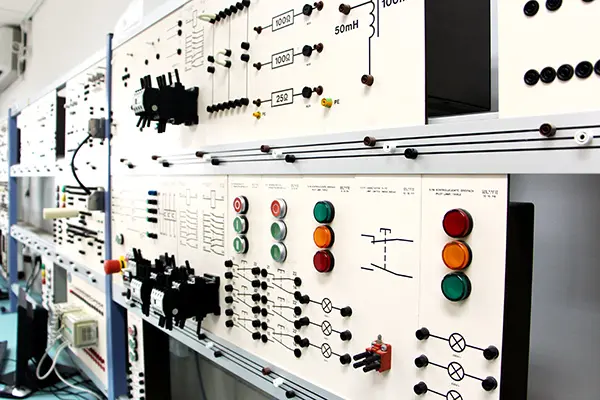 Motor Control Center MCC
 Data Center
 Environmental Industry
 Industrial Machinery
 New Energy
 Pharmaceutical Manufacturing
 Petroleum & Chemical
 Marine & Offshore & Ship
 Food processing / agricultural production