How to Choose the Right Breaker Box for Your Needs?
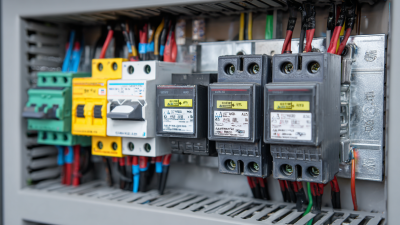
Choosing the right breaker box is essential for any electrical project. Many homeowners overlook the importance of a suitable breaker box. It is the heart of your electrical system, distributing power to various circuits. A well-chosen breaker box ensures safety and efficiency.
When considering a breaker box, think about your home's power requirements. Assess your electrical load, including appliances and lighting. Size matters; a breaker box that's too small can lead to problems. On the other hand, one that's too large may waste energy and space.
Navigating the variety of options can be overwhelming. Each box has different features, capacities, and price points. Research is vital to make an informed choice. You may find yourself doubting your decision later if you rush the process. Take the time to reflect and choose wisely.
Understanding the Purpose of a Breaker Box in Electrical Systems
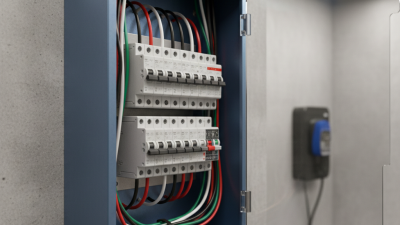
A breaker box, or electrical panel, is crucial for any electrical system. It houses circuit breakers that control power distribution. The right box protects your home's electrical infrastructure from overloads and short circuits. According to the U.S. Electrical Safety Foundation International, electrical failures lead to roughly 50,000 home fires annually. A proper breaker box can significantly reduce this risk.
Choosing a breaker box involves understanding your power needs. For a standard home, a 100-amp panel may suffice. Larger homes or those with numerous high-demand appliances may require 200 amps. The National Fire Protection Association states that proper sizing can prevent overheating and improve safety. Interestingly, many homeowners underestimate their power consumption. A detailed assessment of appliances and devices is essential.
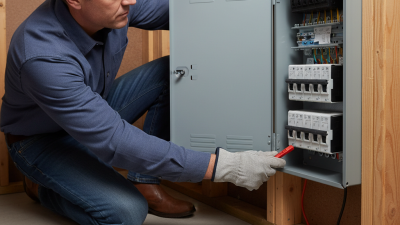
Additionally, installing a breaker box requires expertise. While DIY projects are popular, mistakes can lead to severe hazards. A professional electrician can ensure that the box meets local codes. Miswiring or insufficient amperage can have dire consequences. It's essential to recognize the importance of these factors in maintaining a safe and efficient electrical system.
Assessing Your Electrical Load Requirements for Proper Breaker Box Size
Choosing the right breaker box starts with understanding your electrical load requirements. Every home or office has a unique energy need that should be assessed carefully. Start by listing all your electrical appliances. Include everything from your refrigerator to your HVAC system. Pay attention to the wattage of each device. This helps you gauge your total electrical load.
Consider your lifestyle and future needs. If you plan to add more appliances, factor this into your calculations. Using a calculator can help, but it’s vital to know the difference between peak and continuous load. Peak loads occur during high usage, while continuous loads are those used regularly. Mistakes here can lead to underestimating your needs.
Finally, safety is crucial. An improperly sized breaker box can pose fire hazards. It can also lead to frequent tripping of breakers. Don't rush through this assessment. An overlooked appliance or miscalculation can be costly. Trust your instincts but also consult professionals if needed. A well-calculated approach ensures that your electrical system functions safely and efficiently.
Exploring Different Types of Breaker Boxes and Their Features
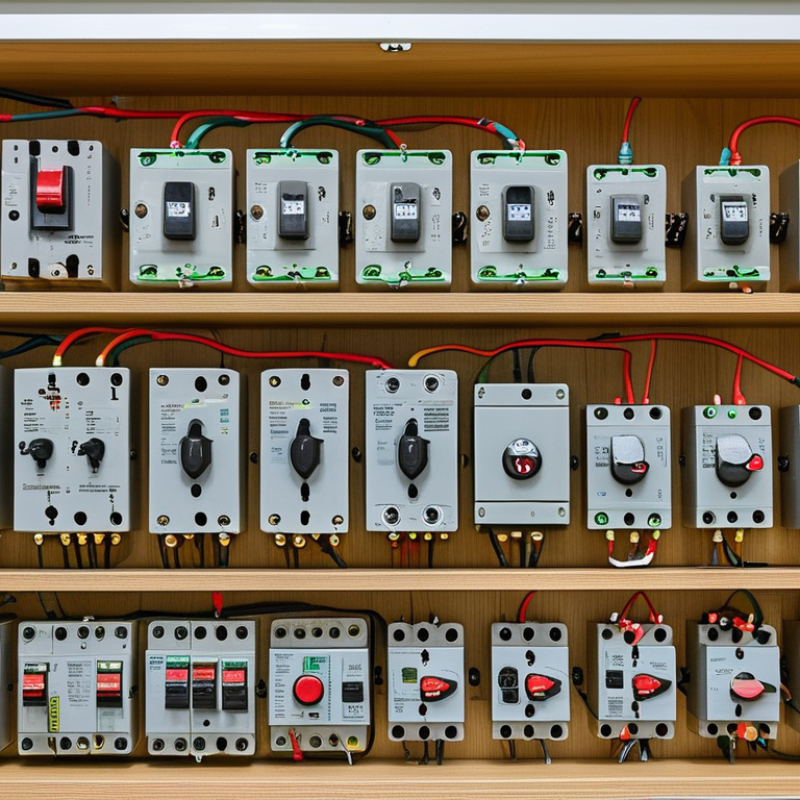
Choosing the right breaker box is crucial for any electrical system. Different types of breaker boxes offer unique features that cater to various needs. For instance, main breaker panels are central to homes with high power demands. They handle substantial current loads and safeguard against overloads.
Subpanels are another option. These are useful when your electrical setup requires expansion. They allow for branch circuits in garages or workshops. However, installing a subpanel can be tricky. It needs careful planning to ensure compatibility with the main panel.
You should also consider the available space. Some breaker boxes are designed for tight spaces, while others require ample room for proper ventilation. Not every option will suit every scenario. Choosing the wrong one may lead to performance issues or safety hazards. Always assess your specific needs thoroughly.
How to Choose the Right Breaker Box for Your Needs?
| Type of Breaker Box |
Main Features |
Best For |
Price Range |
| Main Breaker Panel |
Central control for power distribution; protects entire electrical system. |
Residential and commercial applications. |
$100 - $300 |
| Subpanel |
Additional circuits for specific areas; provides flexibility. |
Large homes or separate buildings. |
$50 - $150 |
| Smart Breaker Box |
Connected to Wi-Fi; allows remote monitoring and control. |
Tech-savvy homeowners. |
$300 - $600 |
| Transfer Switch |
Switches power source from grid to generator. |
Homes with backup generator systems. |
$200 - $500 |
| Load Center |
Distribution point for multiple circuits; easy access to breaker switches. |
New construction or renovations. |
$100 - $250 |
Factors to Consider When Selecting the Location for Your Breaker Box
Choosing the right location for your breaker box is crucial. It impacts both safety and efficiency. According to the National Electrical Code (NEC), the breaker box should be easily accessible. Obstacles can lead to dangerous situations during emergencies. This means avoiding tight spaces or cluttered areas. Think about future maintenance or upgrades.
Consider potential sources of moisture, like basements. Moist environments can cause corrosion. Over time, this might lead to increased maintenance costs. A study by the Electrical Safety Foundation International highlights that poorly placed breaker boxes can raise electrical hazards significantly.
Lighting is another factor to think about. Ensure the location is well-lit. Poor visibility can lead to mistakes. Remember that the height of your breaker box matters too. It should be within reach, but not so low that it becomes a safety risk for children. Finding a balance is key.
Understanding Local Codes and Regulations for Breaker Box Installation
When selecting a breaker box, understanding local codes is crucial. Each region has specific regulations that dictate installation standards. Failing to comply can lead to safety hazards and increased penalties. According to the National Electrical Code (NEC), more than 75% of electrical failures result from improper installation. Local amendments to these codes may also exist, making compliance even more complex.
It is essential to research your area's requirements thoroughly before purchasing a breaker box. Many jurisdictions require certain electrical ratings based on home size and appliance needs. A recent study found that homes with upgraded electrical systems saw a 30% decrease in power outages. If your local codes mandate AFCI or GFCI breakers, investing in these types is not optional; it ensures your home meets safety standards.
Ignoring local regulations can have lasting consequences. Non-compliance may lead to fines or delays in necessary inspections. It can also affect insurance claims if an electrical failure occurs. Consulting with a licensed electrician familiar with local codes is advisable. They can help navigate the regulatory landscape. Checking with local building authorities can also clarify specific requirements for your area. Make informed choices to ensure safety and compliance in your electrical system.

 Intelligent Manufacturing / Industry 4.0
 Motor Control Center MCC
 Data Center
 Environmental Industry
 Industrial Machinery
 New Energy
 Pharmaceutical Manufacturing
 Petroleum & Chemical
 Marine & Offshore & Ship
 Food processing / agricultural production