How to Choose the Right Breaker Box for Your Needs?
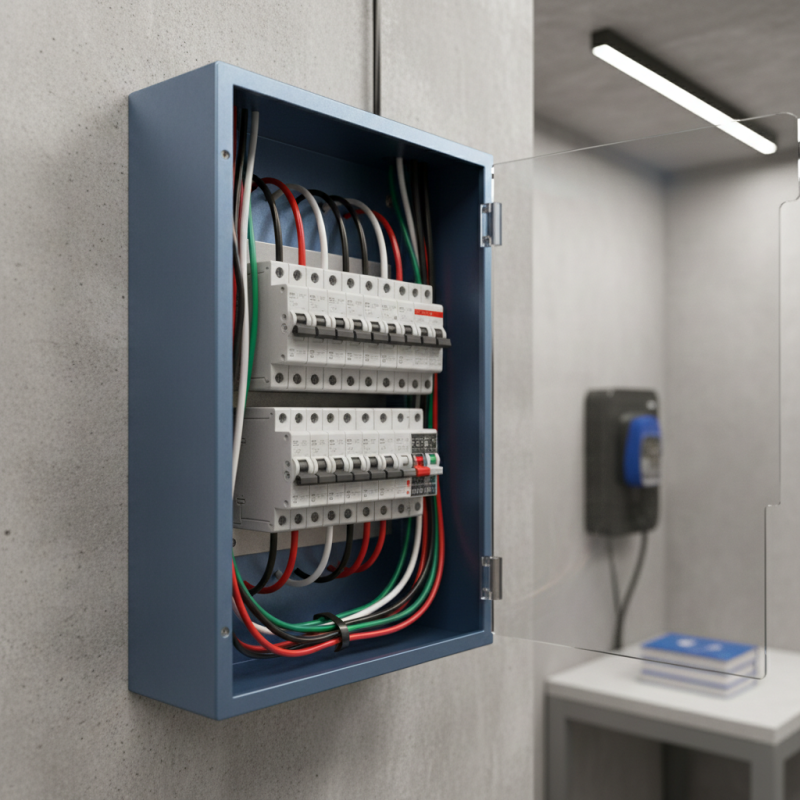
Choosing the right breaker box is crucial for any electrical system. A suitable breaker box ensures safety and efficiency in your home or business. It serves as the heart of your electrical setup.
When selecting a breaker box, consider the power requirements. Assess the total amperage you need. A well-sized breaker box can prevent overloading and potential hazards. However, many people overlook their specific needs, leading to inadequate systems.
Also, think about the number of circuits required. Each appliance demands its own circuit to operate safely. Failing to account for future expansion could result in complications down the line. Investing time in research and consulting professionals can pay off. Understanding your requirements will ultimately help you make a more informed choice.
Understanding the Purpose of a Breaker Box in Electrical Systems
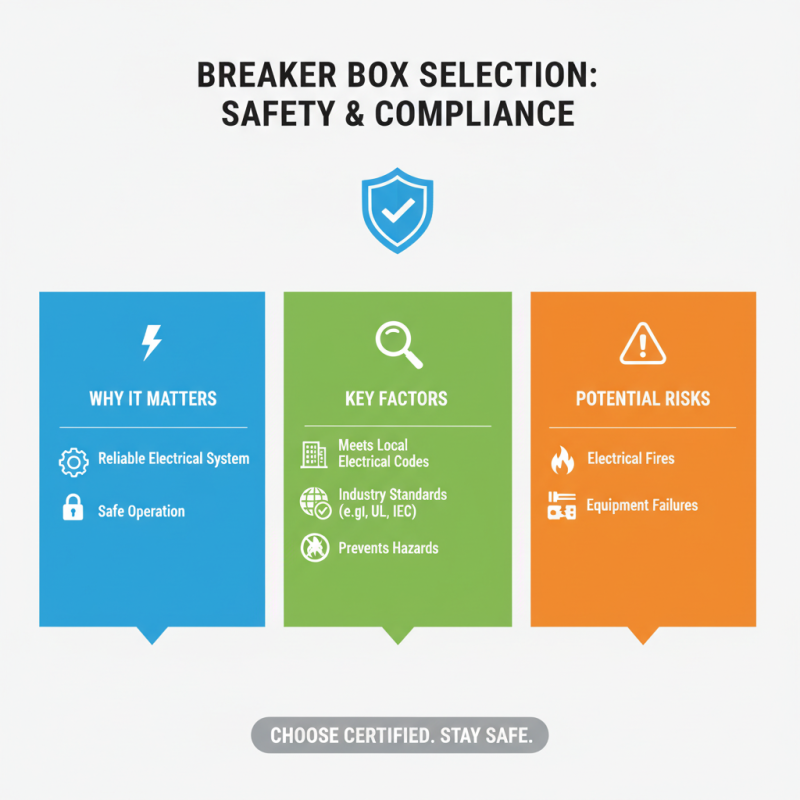
A breaker box plays a crucial role in electrical systems. It safely distributes electricity throughout a building. A reliable breaker box prevents overload and minimizes fire hazards. Reports indicate that faulty electrical systems are responsible for 51,000 residential fires annually in the U.S. Understanding these risks highlights the importance of choosing the right box.
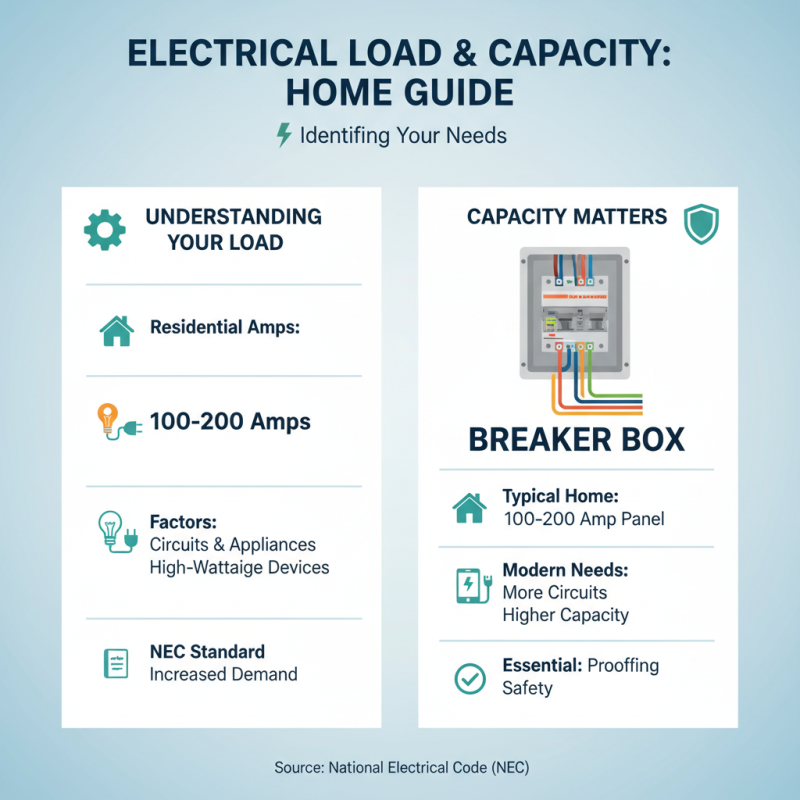
When selecting a breaker box, consider your power needs. Assess your home's total wattage and number of circuits required. This can prevent potential issues, like flickering lights or tripped breakers. Homes often need around 200-amp service for modern electrical demands. However, smaller homes may require less, usually around 100 amps.
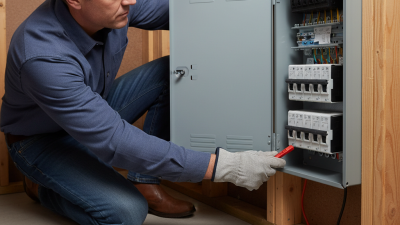
Tip: Consult with a licensed electrician before making a decision. They can provide insights specific to your electrical load. Additionally, ensure the box complies with local codes. This can save you from costly penalties later. Lastly, look for boxes with sufficient space for future upgrades, such as adding more circuits. Backup power solutions are becoming essential for many households.
Identifying Your Electrical Load Requirements and Capacity Needs
Understanding your electrical load requirements is essential when choosing a breaker box. A typical residential home may require 100 to 200 amps, depending on the number of circuits and appliances. According to the National Electrical Code (NEC), the average power demand for modern households has increased significantly. Many now have multiple high-wattage devices.
It's important to calculate your total load. Consider all electrical devices and their wattages. For example, a central air conditioner can draw 3,500 watts, while a refrigerator might use around 800 watts. Adding these figures will help you ascertain your needs. Overloading a breaker box can lead to electrical fires or breaker trips, which is both inconvenient and dangerous.
In some cases, homeowners may underestimate their future needs. A family might expand, requiring more appliances. As you plan your load, think about potential upgrades. Upgrading to a breaker box that accommodates future growth could save you from costly replacements later. Balancing current and future requirements is crucial for safety and efficiency.
Evaluating Breaker Box Types and Their Features
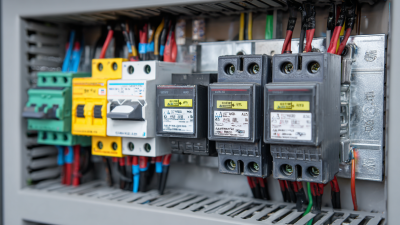
When selecting a breaker box, understanding the types available is essential. The most common types are main breaker panels, sub panels, and metered panels. Each has distinct features tailored to different needs. Main breaker panels serve as the primary control hub. They are robust and ideal for larger households. Sub panels offer additional circuit space, perfect for detached garages or basements. Metered panels combine power distribution with energy metering, useful for rental units.
Tips: Assess your current power needs. Consider future expansions too. Think about available space in your home. Make sure the electrical load can be safely handled by the chosen box.
Another critical aspect is the number of circuits necessary. Standard residential units usually have 20 or more circuits. Evaluate your appliances and devices. If you plan to add more, opt for a panel with extra capacity. Remember, safety should always be a priority. Select boxes with quality materials and protective features.
Whatever type you choose, never rush the decision. Take time to research more about local codes. Discussing with an electrician can provide valuable insights. Always prioritize reliability and functionality over cost when making your choice.
Breaker Box Types and Their Popularity
This chart represents the popularity of different types of breaker boxes based on their features and applications. The data is collected from various home improvement surveys and reflects consumer preferences for residential use.
Assessing Future Expansion and Upgrade Options for Your Breaker Box
When choosing a breaker box, it’s vital to consider future needs. Anticipate the electrical demands of your home. More technology means more outlets and circuits required. Homes today use more high-d rawing devices that can overwhelm an undersized breaker box. Could your future projects include additional rooms or appliances? A well-planned approach here pays off.
**Tips**:
Assess your current load and imagine future additions. If you’re planning for an electric vehicle charger, for instance, your box should accommodate this. Think about energy efficiency. Circuit upgrades can be performed, but it’s smart to start with a box that has some extra capacity.
Upgrading isn’t always straightforward. Sometimes, a small footprint can limit flexibility. Ensuring ample space for future circuits and higher amperage is crucial. Consider consulting an electrician to map out your power needs realistically. This avoids overruns and last-minute changes that can disrupt your budget. Stay proactive about your power needs. This mindset can reduce headaches later.

 Intelligent Manufacturing / Industry 4.0
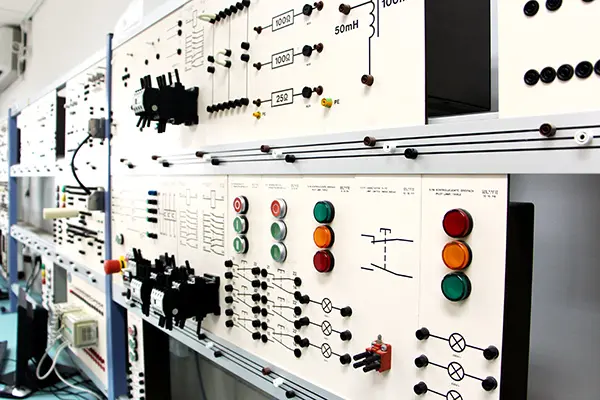 Motor Control Center MCC
 Data Center
 Environmental Industry
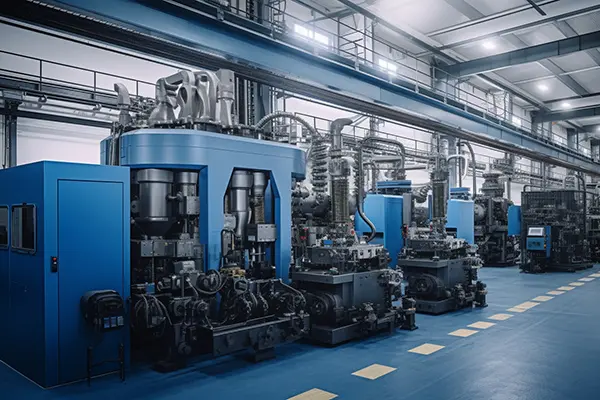 Industrial Machinery
 New Energy
 Pharmaceutical Manufacturing
 Petroleum & Chemical
 Marine & Offshore & Ship
 Food processing / agricultural production