2025 Top Motor Starter Control Panel: Enhancing Efficiency and Performance
In the ever-evolving landscape of industrial automation, the importance of a reliable and efficient Motor Starter Control Panel cannot be overstated. As per the latest market report by MarketsandMarkets, the motor control centers market is projected to reach USD 6.83 billion by 2025, reflecting a robust compound annual growth rate (CAGR) of 7.2%. This growth is largely driven by the increasing demand for energy-efficient systems and the integration of advanced technologies into motor control solutions.
As industries strive for enhanced performance, safety, and operational efficiency, the Motor Starter Control Panel emerges as a critical component in achieving these goals. According to a report by ResearchAndMarkets, the global industrial automation market is forecasted to exceed USD 200 billion by 2025, highlighting the pivotal role that motor control technologies play in modern manufacturing and production environments. In light of these developments, organizations must focus on upgrading their motor starter systems to not only keep pace with industry trends but also to maximize functionality and reduce energy consumption.
This article delves into the latest innovations and best practices associated with Motor Starter Control Panels, providing insights into how optimizing these systems can significantly enhance overall operational efficiency and performance. As we approach 2025, understanding these aspects becomes crucial for businesses aiming to maintain a competitive edge in their respective markets.
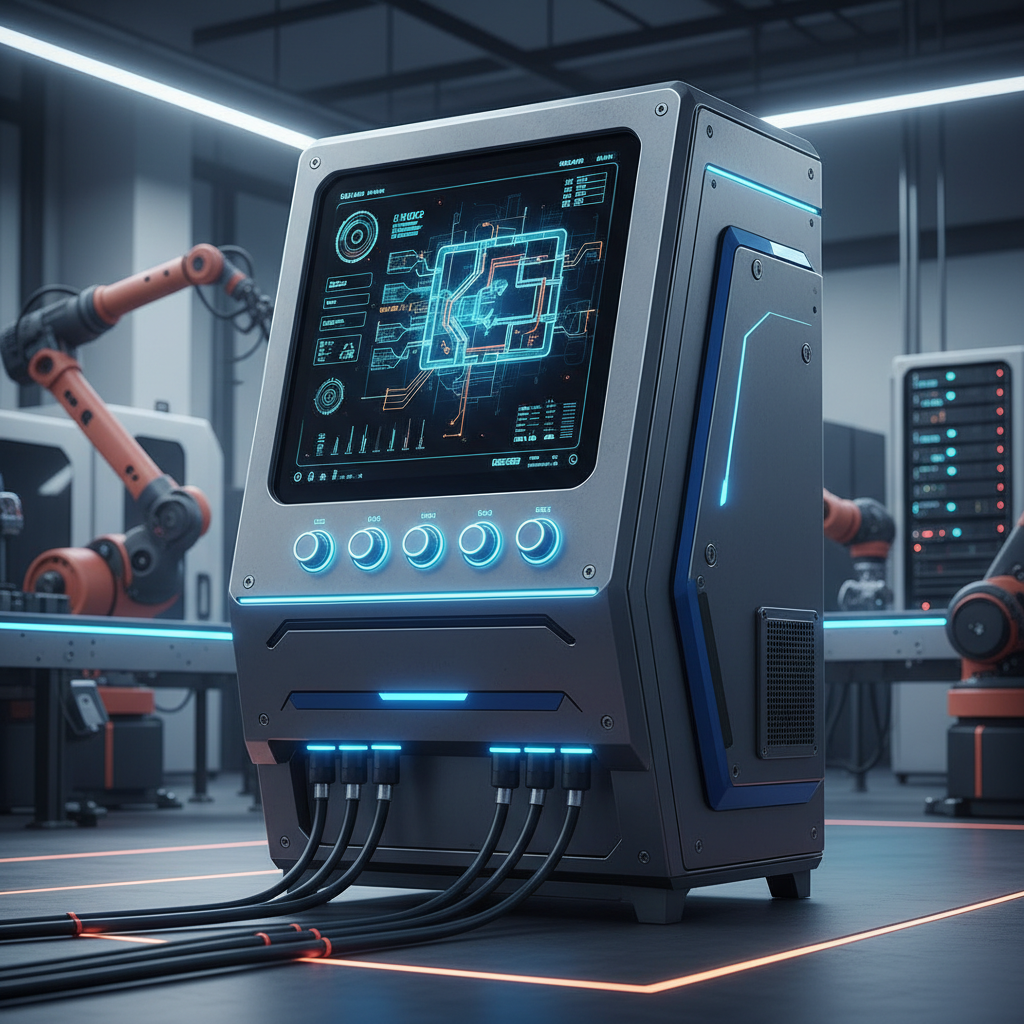
Understanding the Role of Motor Starter Control Panels in Industrial Applications
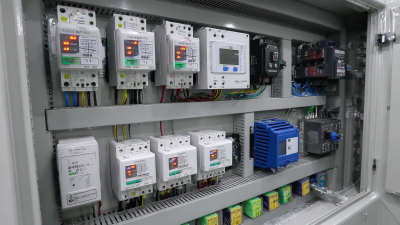
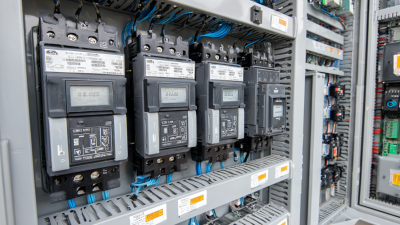
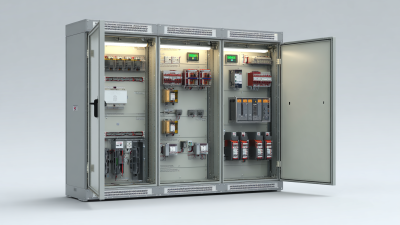
Motor starter control panels play a crucial role in modern industrial applications by providing the necessary functionality to start, stop, and control electric motors efficiently. These panels are designed to manage the electrical supply and protect motors from potential hazards such as overloads, short circuits, and phase failures. By utilizing various components like contactors, overload relays, and circuit breakers, motor starter control panels ensure that motors operate within their optimal parameters, enhancing their longevity and reliability.
Moreover, the integration of advanced technologies in motor starter control panels has significantly improved performance and operational efficiency. With features such as programmable logic controllers (PLCs) and remote monitoring, these panels allow for real-time monitoring and management of motor functions. This capability enables quick troubleshooting and maintenance, ultimately reducing downtime and increasing productivity in industrial settings. As industries continue to embrace automation and smart solutions, the role of motor starter control panels becomes increasingly vital in powering a wide array of processes and machinery.
2025 Top Motor Starter Control Panel: Enhancing Efficiency and Performance
| Control Panel Type |
Power Rating (HP) |
Voltage Range (V) |
Efficiency (%) |
Key Features |
| Soft Starter |
5 - 100 |
230 - 480 |
95 |
Reduced voltage, overload protection |
| Direct-on-Line (DOL) |
1 - 50 |
120 - 600 |
90 |
Simple control, low cost |
| Variable Frequency Drive (VFD) |
0.5 - 500 |
230 - 690 |
98 |
Speed control, energy saving |
| Star-Delta Starter |
5 - 200 |
230 - 600 |
92 |
Reduced starting current, simple design |
| Auto-reset Starter |
1 - 75 |
120 - 480 |
88 |
Self-resetting feature, overload protection |
Key Features of High-Performance Motor Starter Control Panels for 2025
In 2025, the landscape of motor starter control panels is evolving to prioritize efficiency and performance, integrating advanced technology to meet the demands of modern industrial applications. Key features of high-performance motor starter control panels include robust energy management systems that optimize power consumption. These systems not only reduce operational costs but are also designed to enhance the reliability of motor performance through real-time monitoring and analytics.
Another significant feature is the increased automation and connectivity of control panels. With the integration of IoT technology, operators can remotely monitor and control motors, allowing for timely maintenance and quicker response to any irregularities. This connectivity also facilitates data collection for predictive maintenance, ensuring that any potential issues are addressed before they lead to costly downtimes.
Additionally, user-friendly interfaces and customizable settings enable operators to easily configure the panels according to specific operational needs, making these control panels not just smart but also adaptable to various industrial environments.
Impact of Advanced Technology on Motor Starter Control Panel Efficiency
The advancement of technology has significantly transformed the efficiency and performance of motor starter control panels. A recent industry report from MarketsandMarkets indicates that the global motor control center market is expected to grow from $5.7 billion in 2020 to $10.2 billion by 2025, at a CAGR of 12.5%. This surge is primarily driven by the increasing demand for energy-efficient systems and automation in various sectors, particularly manufacturing and utilities. These modern control panels now integrate smart technologies such as IoT capabilities and advanced diagnostics, enabling real-time monitoring and predictive maintenance, which can lead to a 20% reduction in operational downtimes.
To maximize the benefits of advanced motor starter control panels, it is essential to consider some best practices. **Tip 1:** Ensure that your control panel is equipped with the latest communication protocols, such as Modbus or Ethernet/IP, to facilitate seamless integration with existing industrial systems. **Tip 2:** Regularly perform software updates to benefit from the latest features and security enhancements, which often include improved analytics tools for better decision-making. With these advancements, companies can expect not only improved productivity but also substantial cost savings in energy and maintenance.
Analyzing Industry-Specific Standards for Motor Control Panels in 2025

The motor starter control panel market is poised for significant growth in 2025, driven by advancements in technology and the increasing demand for efficiency and performance across various industries.
Industry-specific standards for motor control panels are becoming more rigorous, aligning with the need for enhanced safety, reliability, and operational efficiency. This evolution is particularly noticeable in the categorization of panels by voltage levels, including low and medium voltage, which cater to a diverse range of applications.
Within this landscape, the segmentation of motor control solutions showcases a shift towards smarter technologies, with traditional motors being complemented by intelligent motor systems. The components of these systems, such as circuit breakers, relays, and variable speed drives, are becoming essential in optimizing performance and energy consumption.
As companies adapt to these changes, understanding the broader trends and standards will be crucial in keeping pace with market demands and leveraging opportunities for growth, especially in sectors embracing circular economy principles.
Comparative Study of Energy Savings: Traditional vs. Smart Motor Starter Control Panels
The comparative study of energy savings between
traditional and smart motor starter control panels reveals significant advancements in efficiency that
align with modern energy management technologies. Smart motor starters leverage machine learning
and adaptive control mechanisms, akin to those employed in solar tracking systems, which optimize
energy output by responding dynamically to environmental conditions.
Reports indicate that implementing these intelligent systems can lead to energy savings of up to
30% compared to their traditional
counterparts, making them a compelling choice for industries seeking to enhance operational efficiency.
Research highlights that the integration of
renewable energy sources (RES) into power systems
necessitates sophisticated control strategies. For example, conventional maximum power point tracking (MPPT)
techniques have been enhanced by artificial intelligence, boosting solar power generation efficiency.
Similarly, smart motor starter panels can utilize such advancements to stabilize motor control in variable
operational environments, thus ensuring consistent performance. The ability to manage energy consumption
effectively not only reduces operational costs but also supports sustainability efforts in energy-intensive
sectors. As the electrification of transportation and other applications continues to accelerate,
the role of intelligent motor control systems becomes increasingly pivotal in addressing energy efficiency challenges.

 Intelligent Manufacturing / Industry 4.0
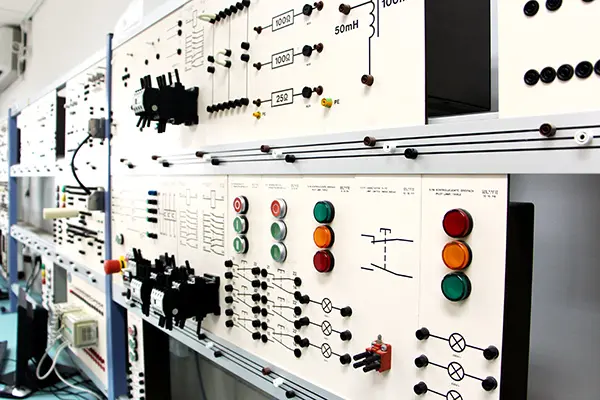 Motor Control Center MCC
 Data Center
 Environmental Industry
 Industrial Machinery
 New Energy
 Pharmaceutical Manufacturing
 Petroleum & Chemical
 Marine & Offshore & Ship
 Food processing / agricultural production