How to Measure Tank Capacity for Accurate Procurement?
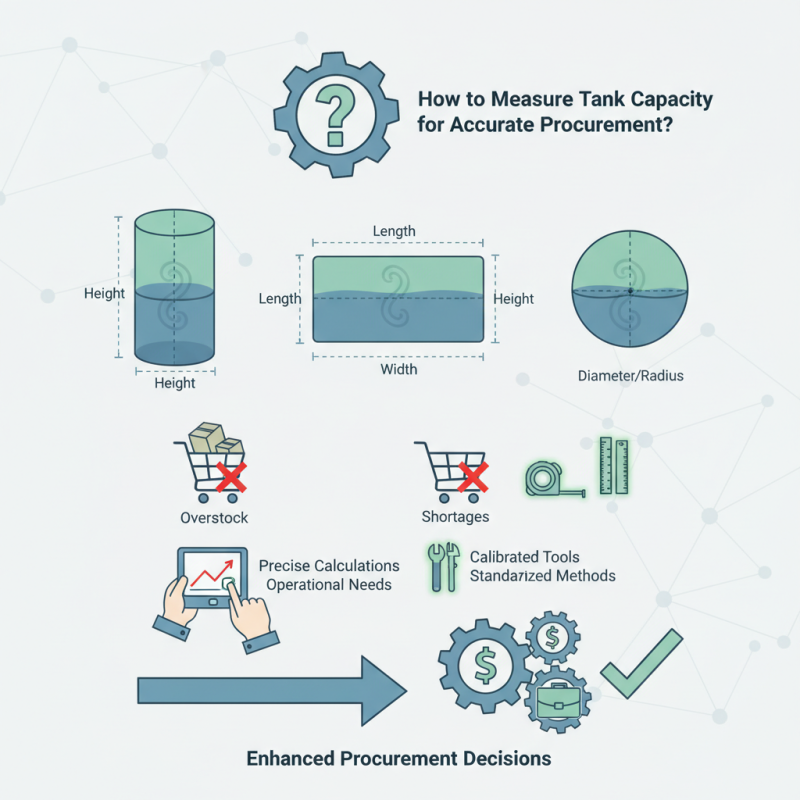
Measuring tank capacity is crucial for effective procurement. Accurate measurements help businesses avoid costly overstock or shortages. Organizations rely on precise calculations to ensure their tanks meet operational needs.
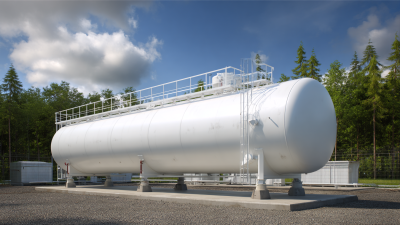
Measuring tank capacity involves understanding the tank's dimensions and shape. Common shapes include cylindrical, rectangular, and spherical tanks. Each shape requires different formulas for accurate volume calculations. Mistakes in measurement can lead to significant inefficiencies.
Many professionals face challenges in measuring tank capacity. Inconsistent measurements may arise from improper techniques or equipment. It's essential to use calibrated tools and follow standardized methods. Ensuring accuracy in measuring tanks ultimately enhances procurement decisions.
Understanding the Importance of Accurate Tank Capacity Measurement
Accurate tank capacity measurement is crucial for effective procurement. Misestimating capacity can lead to overstocking or shortages, both of which carry significant costs. According to a report by the American Petroleum Institute, even a 5% error in measurement can result in thousands of dollars lost annually for large-scale operations. Improperly sized tanks can also lead to safety concerns, such as overflows or system failures.
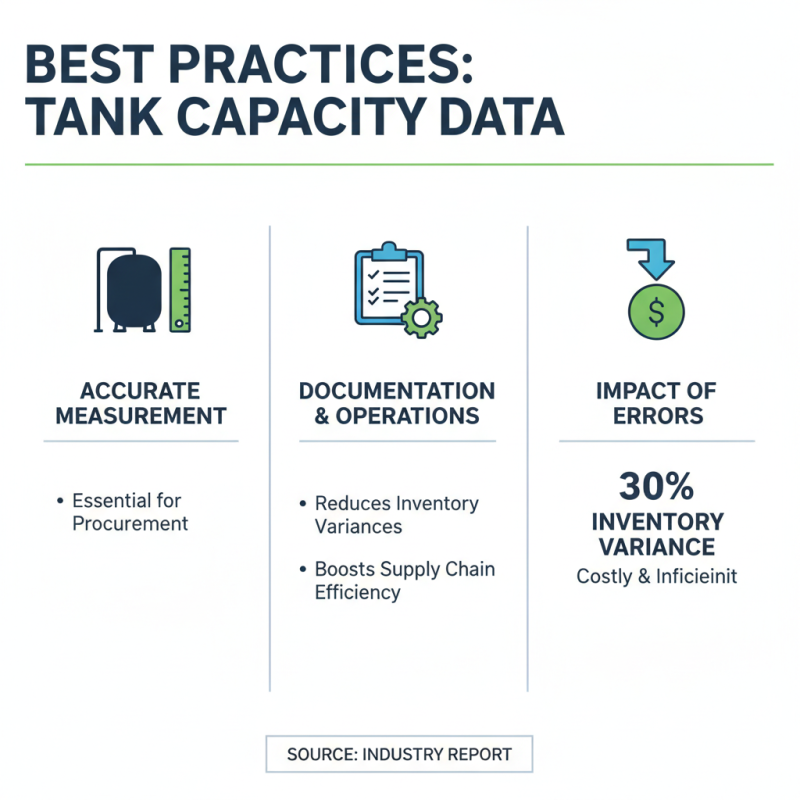
Understanding the correct methodologies for measuring tank capacity enhances operational efficiency. The industry standard suggests using precise methods such as volume tables, gauges, and calibrated instruments. However, many companies still rely on outdated techniques. This inconsistency can lead to discrepancies. For example, a 2020 survey indicated that 30% of companies reported issues with inaccurate tank measurements. These discrepancies may stem from poor training or inadequate equipment.
Hiring trained professionals to measure tanks can mitigate these risks. Investment in training for staff ensures that correct protocols are followed. Moreover, regularly scheduled inspections are vital. It's not uncommon to uncover measurement inaccuracies during these inspections. Making small adjustments can improve overall accuracy. The potential for measurable improvement highlights the need for ongoing assessment and adaptability in measurement practices.
Common Methods for Measuring Tank Capacity Effectively
Measuring tank capacity accurately is vital for procurement processes. One effective method is the use of a dipstick. This tool allows operators to gauge liquid levels directly. By placing the dipstick vertically into the tank, you can measure the liquid height. Make sure to mark the levels for future reference. This method is simple, but it may not always be precise. External factors, like temperature, can influence readings.
Another common approach is calculating volume through tank dimensions. For cylindrical tanks, the formula is straightforward: volume equals π times radius squared times height. This method is more technical but often yields reliable results. Always double-check your measurements. Errors in measuring dimensions can lead to significant misconceptions about capacity.
Using these methods requires experience and attention to detail. Be aware of potential discrepancies that can arise during measurement. Consider conducting regular audits of your measurements to ensure accuracy. Consistency is key in procurement. Take time to refine your approach to avoid costly mistakes.
Tank Capacity Measurement Methods
This bar chart illustrates the accuracy of various tank capacity measurement methods. Each method has a different accuracy percentage, showing the effectiveness of each approach in procurement processes.
Factors Influencing Tank Capacity Calculations
When measuring tank capacity, various factors come into play. The shape of the tank significantly influences the calculations. Cylindrical tanks are generally easier to measure due to their standard geometry. On the other hand, irregularly shaped tanks can complicate the process. Accurate measurements of height, diameter, and volume become essential.
Temperature also affects capacity. Fluids expand when heated. Therefore, measurements taken at different temperatures may yield varying results. It's crucial to record the temperature during measurement to ensure accuracy. This variable can lead to discrepancies if not accounted for properly.
Additionally, liquid density plays a role in capacity calculations. Different liquids have different densities, impacting how they occupy space. A tank's true volume may differ based on the liquid type. Overlooking this can lead to procurement errors. Each of these factors requires careful consideration to avoid costly mistakes and ensure precise procurement decisions.
Tips for Ensuring Measurement Precision and Accuracy
When measuring tank capacity, accuracy is essential for effective procurement. Begin with proper tools. A tape measure or laser measuring device can provide precise dimensions. However, human error can creep in. Double-check measurements to mitigate this risk.
Once you have dimensions, calculate the volume using formulas. For rectangular tanks, length, width, and height are straightforward. For cylindrical tanks, remember to account for the radius. Yet, small discrepancies can lead to large errors in capacity. It’s crucial to re-evaluate calculations with fresh eyes.
Environmental factors play a role too. Temperature variations can affect liquid volume. Always measure under consistent conditions when possible. It’s also beneficial to revisit your methods regularly. Industry standards can shift over time, impacting measurement techniques and tools. An ongoing commitment to precision will ensure your procurement remains efficient and reliable.
How to Measure Tank Capacity for Accurate Procurement? - Tips for Ensuring Measurement Precision and Accuracy
| Measurement Method |
Measurement Units |
Estimated Capacity (Liters) |
Accuracy (%) |
| Water Displacement |
Liters |
1000 |
98% |
| Length x Width x Height |
Cubic Meters |
1500 |
95% |
| Ultrasonic Level Measurement |
Liters |
500 |
99% |
| Hydrostatic Pressure Method |
Liters |
750 |
97% |
| Magnetic Float Gauge |
Liters |
1200 |
96% |

 Intelligent Manufacturing / Industry 4.0
 Motor Control Center MCC
 Data Center
 Environmental Industry
 Industrial Machinery
 New Energy
 Pharmaceutical Manufacturing
 Petroleum & Chemical
 Marine & Offshore & Ship
 Food processing / agricultural production