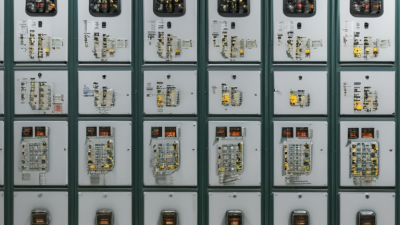

Choosing the right Panel Board is not simply a matter of counting circuits. It is a safety, performance, and lifecycle decision. The wrong selection may cause overheating, difficult maintenance, expensive upgrades, or unreliable protection. A suitable panel should match the system voltage, current demand, fault level, enclosure environment, and available installation space.
Mike Holt, a respected electrical-code educator, offers a useful warning: “Electricity does not care how much you know.” His point applies directly to Panel Board selection. Experience matters, but careful verification matters more. Review the project drawings, connected loads, motor-starting requirements, short-circuit current rating, and local code requirements. A panel installed in a clean indoor room may need different protection than one exposed to dust, moisture, chemicals, or outdoor temperature changes.
Details make the difference. Check whether the busbar rating supports future expansion. Confirm that breakers are compatible with the panel and properly rated for the available fault current. Leave enough working clearance for technicians carrying tools and testing equipment. It should be practical.
Cost also deserves a realistic discussion. The cheapest panel may create higher labor and replacement costs later. However, the largest or most advanced option is not automatically the best choice. Sometimes, project assumptions are incomplete. Recheck them. Speak with a qualified engineer, licensed electrician, or manufacturer representative before approval. A reliable Panel Board balances safety, code compliance, maintainability, capacity, and budget without pretending that every project has a perfect answer.
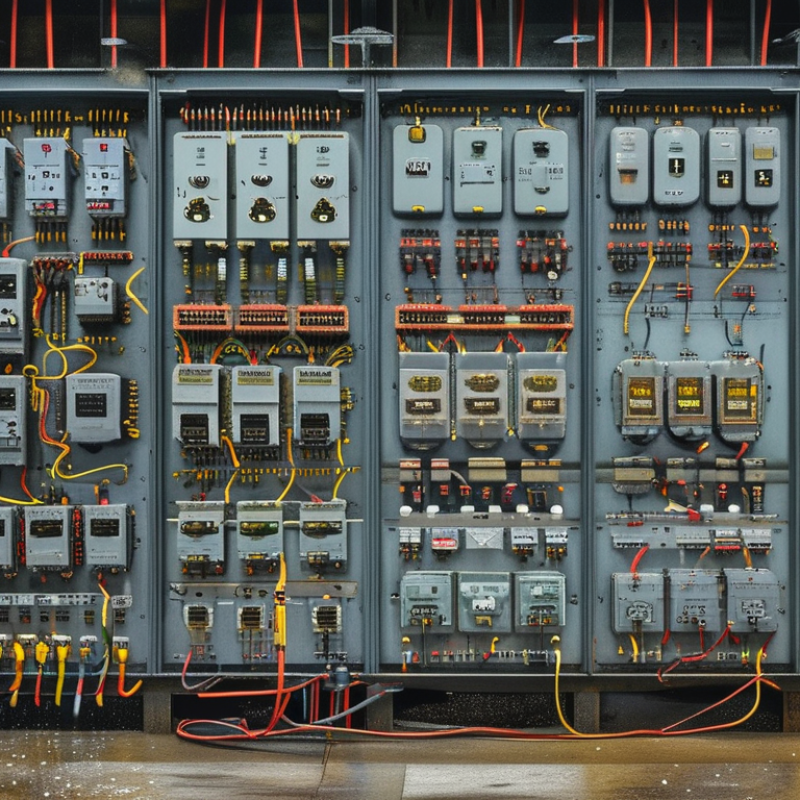
Choosing a panel board starts with a clear picture of how electricity will move through the project. Define the electrical distribution requirements before comparing enclosure sizes or circuit counts. On site, I begin with a load schedule, not a product catalogue. List lighting, receptacles, motors, heating equipment, controls, and future loads. Some loads are easy to miss. A small workshop may need more capacity than its floor plan suggests. Check voltage, phase, frequency, continuous loads, and expected demand. These details establish the bus rating, main device, and available circuit spaces.
Start with verified data. Calculate demand using the applicable electrical code and the project’s engineering criteria. Do not simply add every nameplate value. That approach can oversize equipment or hide an inaccurate assumption. At the same time, optimistic estimates create trouble during expansion. Confirm fault current at the installation point, not only at the service entrance. Then specify the interrupting rating, enclosure rating, environmental protection, and grounding arrangement. A damp utility room and a clean office do not need identical protection. Temperature, dust, corrosion, and restricted access can change the selection.
I also reserve practical space for spare breakers and cable bending. Leave room. It costs little on paper, but crowded terminations slow commissioning. Review coordination, labeling, maintenance access, and isolation procedures with the responsible engineer. An independent check is worthwhile. My own early selections have sometimes missed future circuits. That mistake is preventable when the owner, installer, and designer review the load schedule together. Record assumptions and verify them before ordering. An accurate schedule should reflect real equipment, realistic growth, and the conditions inside the electrical room.
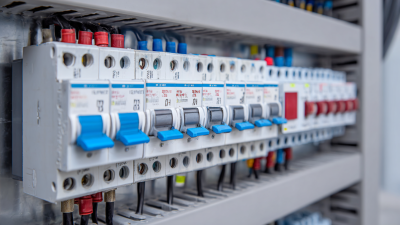
Choosing the right panel board starts with comparing its type and configuration, not its appearance. A main breaker panel provides one clear disconnect for the entire board. A main lug-only panel can work well downstream, where an upstream disconnect already exists. It may reduce cost, but only when the electrical design and local code allow it.
Compare lighting and appliance panels with power distribution panels. Lighting panels suit branch circuits, offices, and small commercial areas. Power distribution panels handle larger feeders and heavier loads. Check the voltage, phase, bus rating, and short-circuit current rating carefully. A three-phase board may support equipment efficiently, while a single-phase board may suit a small building. Choose surface mounting for easy access, or flush mounting for a cleaner wall finish. I once underestimated spare circuit spaces. That mistake made later expansion unnecessarily difficult.
Tips: Count present circuits, then add practical spare capacity. Confirm breaker compatibility, enclosure protection, wire entry, and available fault current. Metal surroundings, dust, moisture, and heat can change the enclosure choice. Do not select a board only by ampere rating. The feeder, conductors, breakers, and panel must work as one system. Ask a qualified electrical professional to verify the design against applicable codes. A tidy schedule helps too. It exposes missing loads before installation, although schedules can still contain errors. Review them twice.
| Panel Board Type | Typical Application | Typical Voltage Class | Typical Current Range | Configuration Characteristics | Advantages | Key Selection Considerations |
|---|---|---|---|---|---|---|
| Lighting and Appliance Panelboard | Branch circuits for lighting, receptacles, small appliances, and general building loads. | Typically up to 600 V AC, depending on the applicable standard and installation requirements. | Commonly up to 1,200 A; many commercial installations use lower ratings. | Main breaker Main lugs only Single-phase or three-phase Flush or surface mounted | Flexible branch-circuit layout, broad breaker selection, and efficient use of wall space. | Calculate connected and demand loads, confirm available fault current, and reserve spaces for future circuits. |
| Power Distribution Panelboard | Distribution of larger feeder loads to downstream panels, equipment, HVAC systems, and process loads. | Commonly available in low-voltage systems up to 600 V AC; the exact rating is equipment-specific. | Often rated from approximately 400 A to 1,200 A or higher, subject to the selected equipment. | Larger feeder breakers High bus capacity Main breaker or main lugs Optional metering | Suitable for higher feeder loads and centralized distribution with better circuit segregation. | Verify bus rating, feeder conductor size, short-circuit current rating, heat dissipation, and available installation space. |
| Meter Main Panelboard | Small commercial, residential, and utility service-entry applications where metering and service disconnecting are combined. | Commonly used in low-voltage service systems; voltage and service requirements vary by jurisdiction. | Typically selected according to the calculated service load and utility requirements. | Integrated meter section Service disconnect Outdoor options Utility coordination | Combines service equipment functions and can reduce equipment footprint and installation complexity. | Obtain utility approval, confirm service configuration, provide required working clearance, and select an appropriate enclosure rating. |
| Weatherproof Panelboard | Outdoor areas, rooftop equipment, parking facilities, agricultural sites, and washdown-prone locations. | Voltage class is determined by the internal equipment and system design; low-voltage applications are common. | Selected according to the connected load, feeder capacity, and environmental conditions. | Outdoor enclosure Gasketed door Corrosion-resistant options Wall or pole mounting | Protects internal components from rain, dust, and other environmental exposure when correctly specified. | Choose the enclosure type from the actual hazard: water, dust, corrosive chemicals, temperature, and impact. An enclosure rating alone does not protect against every hazard. |
| Surge-Protected Panelboard | Commercial and industrial facilities requiring additional protection from transient overvoltages. | Matched to the system voltage and grounding arrangement. | Panelboard current rating follows the distribution load; surge device capacity is specified separately. | Integrated SPD Replaceable modules Status indication Optional monitoring | Helps reduce transient-voltage exposure for connected electrical and electronic equipment. | Check surge-current rating, voltage protection rating, installation lead length, backup overcurrent protection, and maintenance indicators. |
| Split-Bus or Special-Purpose Panelboard | Projects requiring separate sections for different load groups, emergency functions, or specialized distribution arrangements. | Determined by the system design and the applicable electrical code. | Based on the calculated load of each bus section and the complete assembly rating. | Separate bus sections Dedicated feeders Custom layouts Restricted use cases | Can provide functional separation and support project-specific distribution requirements. | Use only when the design need is clearly defined; verify protection coordination, disconnecting means, labeling, and code compliance. |
| Integrated Transfer or Emergency Panelboard | Critical loads supplied by normal and alternate power sources, such as standby generators or backup systems. | Selected to match the normal and emergency distribution systems. | Based on the connected critical-load demand and the transfer equipment rating. | Normal source Alternate source Automatic or manual transfer Emergency-load segregation | Supports continuity of power for designated loads and simplifies coordinated emergency distribution. | Confirm transfer sequence, source compatibility, available fault current, bypass requirements, maintenance access, and emergency-system regulations. |
Choosing a panel board starts with the system voltage, not its appearance. Confirm whether the project uses single-phase or three-phase power. A residential installation may require 120/240 volts, while commercial equipment often needs higher or balanced three-phase service. The panel’s voltage rating must match the supply and connected equipment. Never rely on old drawings alone. Measure and verify the existing service with qualified professionals.
Current capacity requires a realistic load calculation. Add lighting, receptacles, heating, motors, and future equipment. Continuous loads need appropriate allowance under local electrical codes. A panel rated for 100 amperes may be inadequate if the calculated demand approaches that limit. Check the bus rating, main disconnect, and short-circuit rating together. These details affect heat, protection, and long-term reliability.
Circuit space is easy to underestimate. Count every planned breaker, including dedicated circuits for ovens, pumps, servers, or workshop tools. Leave spare spaces for changes. More than expected.
I once focused on amperage and forgot space for a future ventilation circuit. The installation worked, but the later modification was awkward and expensive. That mistake still influences my planning.
I now sketch the circuit layout before selecting the enclosure. A qualified electrician should confirm conductor sizes, breaker suitability, grounding, and local code requirements. A small panel can fit today’s demand and still create tomorrow’s problem.
How to Choose the Right Panel Board for Your Project?
Safety should guide panel board selection, not price alone. NFPA’s analysis of 2012–2016 U.S. fire data recorded about 35,150 home fires annually involving electrical distribution and lighting equipment. These fires caused approximately 470 civilian deaths and $1.3 billion in direct property damage. A correctly rated panel board can reduce preventable risks, but it cannot fix poor installation.
Check the short-circuit current rating, overcurrent protection, grounding arrangement, and available working space. The assembly should meet IEC 61439 or the applicable national standard. Certification should match the project’s location and inspection requirements. For outdoor or damp areas, verify the enclosure’s IP rating under IEC 60529. Dust and water matter. So does heat.
Installation conditions often decide performance. Confirm the incoming voltage, phase configuration, conductor size, ambient temperature, and future circuit capacity. Keep required clearances around the board, and tighten terminals to the manufacturer’s specified torque. Loose connections can create hot spots; I have seen minor heating become a costly fault after months of unnoticed operation. That assumption deserves checking. Use qualified personnel and follow the local electrical code, because a technically sound panel can still fail an inspection when its installation environment is ignored.
Choosing the right panel board is less about appearance and more about dependable performance over time. Start with the project’s actual electrical load, not a rough estimate. List every circuit, motor, heating device, and future expansion point. Then check the board’s rated current, voltage, short-circuit capacity, and available spaces. A small spare capacity can prevent costly replacement later.
The installation environment matters just as much. A dusty workshop, humid basement, and clean office require different enclosure protection. Heat changes everything. Poor ventilation can shorten component life and increase nuisance trips. Select durable materials, secure connections, clear labeling, and suitable protection against moisture or dust. Confirm that the panel board complies with applicable electrical codes and has reliable test documentation. A qualified electrician should verify the design and installation before energizing the system.
I once underestimated future circuit demand on a small renovation. The board worked, but expansion became awkward and expensive. That mistake still influences my selection process. Leave room. Check dimensions, cable entry routes, maintenance access, and compatibility with protective devices. Do not choose the lowest price without reviewing service life and documentation. A careful inspection today may prevent overheating, confusing repairs, and unplanned downtime years later.
Select the Best Panel Board for Long-Term Performance
The chart compares the electrical resistivity of common busbar materials at 20°C. Lower resistivity generally means lower I²R losses and less heat generation at the same current. Copper and aluminum are commonly considered for busbars, while final panel board selection should also account for current rating, short-circuit withstand, enclosure protection, temperature rise, installation conditions, and future expansion.
Reference values: approximate electrical resistivity at 20°C, expressed in Ω·mm²/m. Actual performance depends on alloy, cross-sectional area, joint quality, operating temperature, and manufacturer design.