
Leave Your Message

2026 How to Choose the Right Distribution Board for Your Needs?

Choosing the right distribution board is crucial for any electrical installation. A distribution board, often called a breaker panel, is where electricity is distributed in a building. Selecting the right one requires careful consideration of various factors.

Understanding your power needs is the first step. You should assess the total electrical load your appliances will require. This knowledge helps avoid overloading, which can lead to fires or system failures. Additionally, different boards offer varying features, such as space for future upgrades or specific circuit configurations.

Expertise plays a vital role in making a decision. Consulting with a qualified electrician can provide valuable insights. They can guide you on the most reliable and safe options available. However, many people overlook this step. Ignoring professional advice can lead to costly mistakes. A well-chosen distribution board ensures efficiency and safety in your electrical system. Taking these aspects into account will lead to more informed choices.
2026 How to Choose the Right Distribution Board for Your Needs?

Understanding Distribution Boards and Their Importance

Distribution boards play a crucial role in electrical systems. They distribute electricity from the main supply to various circuits throughout a building. Understanding their significance is essential for ensuring safety and efficiency in your electrical setup.

When selecting a distribution board, consider the size and layout of the space. Smaller spaces might require a compact board, while larger areas benefit from more expansive options. Think about future expansions too. Not every board accommodates growth easily. The flexibility of your distribution board can impact long-term functionality.

Safety features are paramount. Circuit breakers prevent overloads and short circuits. However, not all boards include advanced protection levels. Explore options carefully. Reliability is a key factor, and poorly made components can lead to frequent failures. Your choice should reflect both current and anticipated needs, requiring thoughtful consideration of performance and safety.
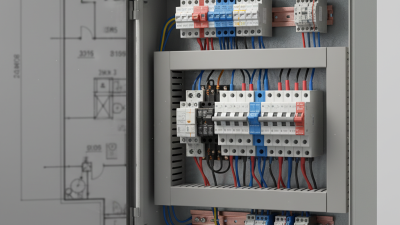
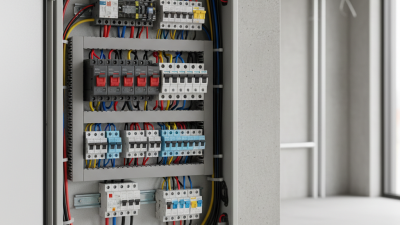
Key Factors to Consider When Selecting a Distribution Board

Choosing the right distribution board is essential for electrical safety and efficiency. One key factor is the load capacity. According to industry reports, approximately 30% of electrical system failures are due to under-rated distribution boards. Evaluate your current and future power demands before making a selection.

Another critical aspect is the size and layout. Compact designs may seem preferable, but they can lead to overheating issues if not properly ventilated. Research shows that about 25% of electrical fires originate from poorly designed boards. Ensure your chosen board has ample space for circuit breakers and adequate airflow.

Additionally, consider the materials used in the distribution board. High-quality enclosures can improve durability, minimizing maintenance costs. In recent years, there has been a rising trend in using corrosion-resistant materials. Approximately 20% of distribution boards fail due to environmental factors. Investing in robust materials may prevent premature failures.

Types of Distribution Boards and Their Applications

When selecting a distribution board, understanding its types and applications is critical. There are mainly two categories: main distribution boards (MDBs) and final distribution boards (FDBs). MDBs are crucial for primary electrical distribution. They typically handle higher voltage and provide power to various circuits. According to industry reports, MDBs can increase system efficiency by 15% when appropriately specified.

On the other hand, FDBs distribute electricity to end-user appliances. These boards are essential in residential and commercial buildings, managing lower voltages. Studies indicate they can reduce energy waste by 20% through smart circuit management. An FDB’s design can vary based on application needs, such as modular configurations for enhanced flexibility. These applications encompass various sectors, from industrial to residential environments.

Selecting the right board requires careful thought. Factors like load requirements and future expansion plans play a role. Many users overlook these aspects, leading to inefficient setups. Focusing on your specific needs can help avoid under- or over-specifying equipment. Tailoring your choice ensures reliability and cost-effectiveness, which is vital in today’s energy-conscious world.

2026 How to Choose the Right Distribution Board for Your Needs? - Types of Distribution Boards and Their Applications

Type of Distribution Board Description Common Applications Key Features
Lighting Distribution Board Controls and distributes lighting circuits. Residential, commercial buildings, and outdoor lighting. Circuit protection, ease of access for maintenance.
Power Distribution Board Manages electrical power distribution to various equipment. Industrial sites, manufacturing plants. High capacity, overload protection, metering facilities.
Miniature Circuit Breaker (MCB) Board Distributes power and protects against overloads and short circuits. Residential and small commercial setups. Compact design, user-friendly, and efficient.
Residual Current Device (RCD) Board Detects electrical leakages and cuts off power. High-risk areas like bathrooms and kitchens. Safety features, fast trip response.
Smart Distribution Board Incorporates smart technology for monitoring and control. Modern homes, commercial buildings with IoT. Remote access, energy monitoring, automated controls.

Evaluating Your Power Requirements for Choosing a Distribution Board

Choosing the right distribution board begins with understanding your power requirements. Start by assessing the total wattage of your electrical devices. Each device has a specific energy consumption, and not all appliances run simultaneously. This calculation can be tricky, but it’s crucial for safety and efficiency.

Consider future needs as well. Would you want to expand your setup? Planning for extra capacity can prevent headaches later. Moreover, ensure you account for any frequent or seasonal use of additional devices. It’s easy to underestimate; many people do, and then find themselves with insufficient power.

Evaluate the total amperage required for your system. Match this to the specifications of potential distribution boards. Look at different designs and features. Some boards offer advanced safety features, while others focus on space and organization. Each choice comes with trade-offs. Reflect on where you might need improvements or adjustments as your energy consumption evolves.

Installation and Maintenance Tips for Distribution Boards

When installing a distribution board, safety is paramount. Ensure the board is located in a dry, well-ventilated space. Use appropriate protective gear during installation. Check for any exposed wires and ensure all connections are secure. Proper grounding is essential. It helps prevent electrical shocks and equipment damage.

Regular maintenance is also critical. Schedule inspections to check for wear and tear. Look for signs of overheating, such as discolored connections. It's important to clean the board periodically. Dust accumulation can lead to overheating and malfunctions. If you notice any issues, consult a professional for advice.

Remember, installation errors can lead to serious consequences. Always double-check your work. If you feel uncertain, seeking help is wise. Maintenance may seem tedious, but it's vital for safety and performance. Trust your instincts; if something feels off, investigate further.