10 Essential Tips for Optimizing Your Motor Control Cabinet Design
In the realm of industrial automation, the design of a Motor Control Cabinet is critical. Experts believe that a well-designed cabinet enhances operational efficiency and promotes safety. John Smith, a renowned industry expert, states, "The cabling and layout often determine the success of motor control systems." This insight highlights the intricate balance required in optimizing cabinet design.
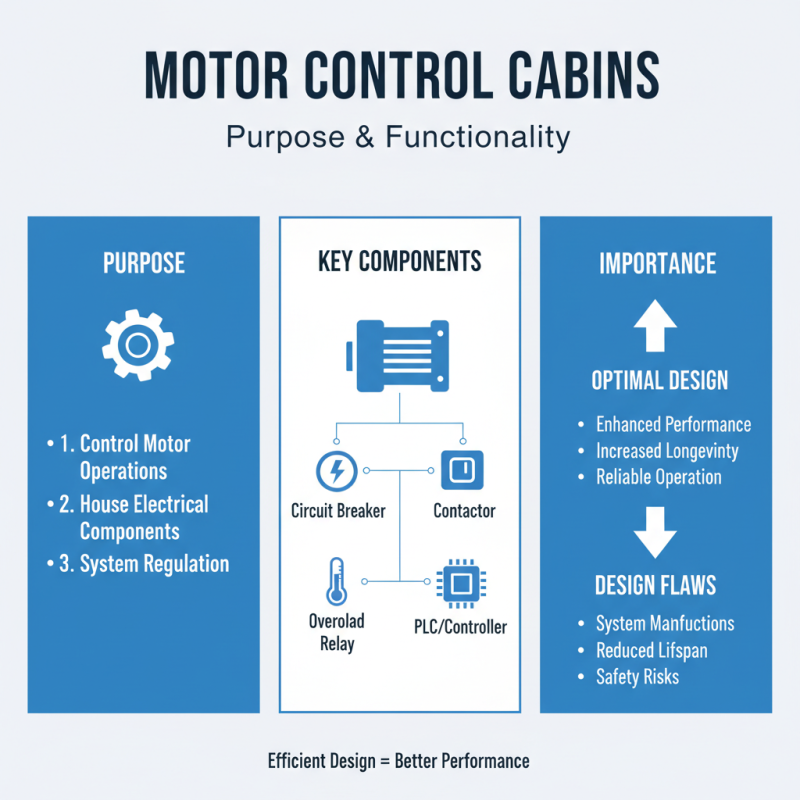
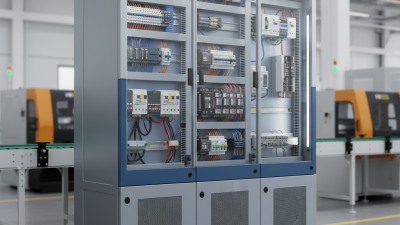
Motor Control Cabinets serve as the brain for motor operations, housing vital components. Poor design can lead to overheating, increased downtime, and compromised safety. Each detail matters, from component placement to ventilation strategies. Ensuring proper spacing can reduce risks. Consider the arrangement of circuit breakers, for instance. It's essential to prioritize accessibility for maintenance.
Moreover, ongoing advancements in technology pose new challenges and opportunities for designers. The integration of smart technologies is no longer a luxury but an expectation. However, the complexity can overwhelm even seasoned professionals. It is crucial to reflect on design choices continuously. Each decision shapes the cabinet's effectiveness, pushing the industry toward better results.
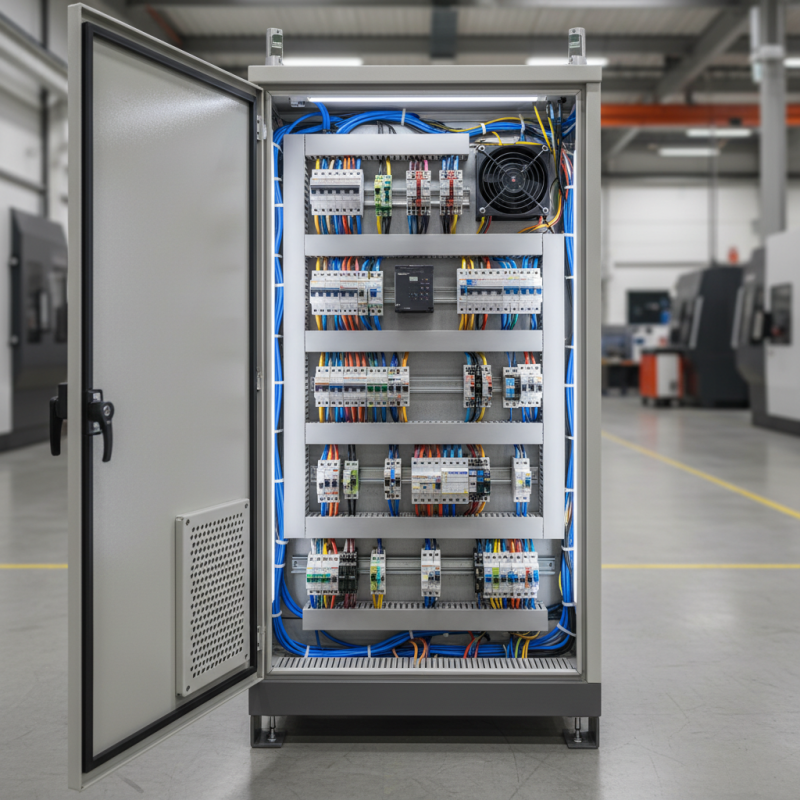
Understanding the Purpose and Functionality of Motor Control Cabinets
Motor control cabinets play a crucial role in electrical systems. They house various components that control motor operations. Understanding their functionality is essential for efficient design. Proper design can enhance performance and longevity, but missteps can lead to problems.
One important tip for cabinet design is to ensure adequate ventilation. Motors generate heat during operation, and overheating can cause failures. Strategically place fans or vents to promote airflow. Another key consideration is the layout. Organize components to minimize wiring distance, which can improve efficiency and reduce electromagnetic interference.
A common oversight in designs is neglecting space for future upgrades. Technology evolves, and your cabinet should accommodate that. Plan for expansion, even if you don’t need it right now. Also, consider labeling all components clearly. This practice aids troubleshooting and maintenance, ensuring your system remains reliable over time. Reflect on these aspects when crafting your motor control cabinet.
Key Design Principles for Motor Control Cabinets
Designing a motor control cabinet requires a keen understanding of both functionality and safety. The layout must promote effective airflow and heat dissipation. Tight spaces can trap heat, leading to equipment failures. It's essential to use adequate spacing and ventilation techniques. A thoughtful design increases reliability and decreases maintenance costs over time.
Selecting the right components is equally vital. Each device must fit well within the cabinet. Overcrowded setups can lead to short-circuits or operational disruptions. Be mindful of wire management, too. Untidy wiring not only looks unprofessional but can also complicate troubleshooting. Maintaining clear pathways for wiring can simplify future upgrades or repairs.
Lastly, consider the environment where the cabinet will be installed. Humidity, dust, and temperature fluctuations can greatly affect performance. Protective measures can enhance durability, but they must be planned carefully. Each design element should be purposeful and reflect a balance between efficiency and adaptability. As with any design process, constant reevaluation is necessary to achieve optimal results.
Selecting Appropriate Components for Optimal Performance
When designing a motor control cabinet, selecting appropriate components is crucial for achieving optimal performance. According to industry reports, approximately 45% of component failures arise from incorrect specifications. Therefore, attention to detail during the selection process can save time and costs over the long term. Quality control standards should dictate component compatibility and durability.
Consider the role of circuit breakers and contactors. These devices play a critical role in protecting your system from overcurrent and voltage spikes. The right size and type can significantly reduce equipment damage. In fact, data shows that up to 30% of unplanned outages are linked to inadequate protection devices. Moreover, thermal management must not be overlooked. Components generate heat, and poor thermal design can lead to premature failure. Keeping components away from critical areas helps maintain operational efficiency.
Reflect on current practices and identify areas for improvement. Evaluate component lifecycles and their impacts on system reliability. Are outdated components still in use? Taking stock can reveal unexpected issues. Continuous optimization requires consistency in assessing and upgrading components to ensure adaptability to changing demands.
Implementing Effective Cooling and Ventilation Solutions
Effective cooling and ventilation strategies are vital for motor control cabinets. High temperatures can lead to equipment failure and increased downtime. Proper airflow helps maintain optimal operating conditions. Consider using fans and heat exchangers designed for electrical enclosures. These components can significantly enhance heat dissipation and prolong equipment life.
Creating a well-ventilated environment is not just about adding fans. The cabinet layout plays a crucial role too. Ensure that components are spaced appropriately to allow air to circulate freely. Use filters to prevent dust build-up, which can hinder performance. While passive cooling methods, like ventilation openings, are useful, they may not suffice in highly demanding environments.
It’s essential to review your cooling system regularly. Ensure it meets current demands. Sometimes, systems that worked well in the past may fall short today. Keep an eye out for any signs of overheating or airflow issues. Innovation in cooling solutions continues to advance, so staying informed about new technologies will help enhance your design.
Cooling and Ventilation Solutions for Motor Control Cabinets
This bar chart illustrates the effectiveness of various cooling and ventilation solutions for motor control cabinets. The data shows the average temperature reduction (in °C) achieved by different methods when implemented correctly.
Ensuring Compliance with Electrical Safety Standards and Regulations
When designing motor control cabinets, compliance with electrical safety standards is paramount. In 2022, the National Fire Protection Association (NFPA) reported that electrical failures accounted for 24% of all electrical fires in the United States. These statistics highlight the urgent need for proper design and adherence to safety protocols. Ensuring that your motor control cabinet meets the National Electrical Code (NEC) can significantly reduce the risk of such incidents.
Proper ventilation and heat management are crucial aspects of cabinet design. According to a study by the Electrical Safety Foundation International, improper heat dissipation can lead to equipment failure. Inadequate airflow can also increase the risk of electrical fires. Furthermore, using certified components and enclosures is essential for
safety and reliability. Many facilities overlook these factors, which can lead to costly downtime and safety hazards.
Regular inspections and maintenance of motor control cabinets will significantly contribute to ongoing compliance and safety. A study by the International Electrotechnical Commission found that routine checks could identify potential hazards early. However, many organizations underestimate the importance of these inspections. By prioritizing these practices, companies can improve
safety and operational
efficiency.

 Intelligent Manufacturing / Industry 4.0
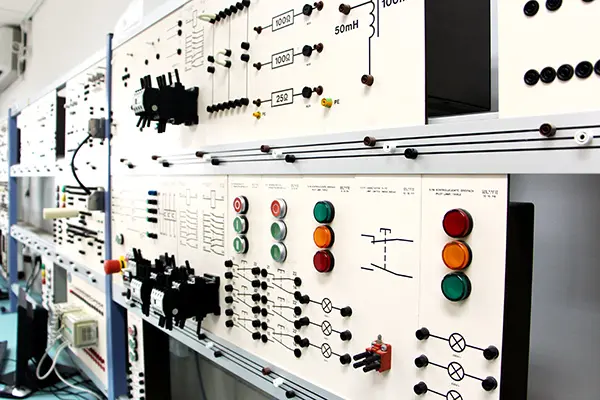 Motor Control Center MCC
 Data Center
 Environmental Industry
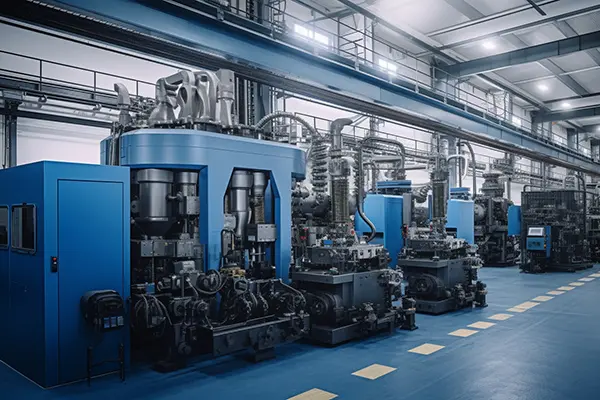 Industrial Machinery
 New Energy
 Pharmaceutical Manufacturing
 Petroleum & Chemical
 Marine & Offshore & Ship
 Food processing / agricultural production