Why Is a Panel Board Essential for Electrical Systems?
A Panel Board is a vital component in electrical systems. It acts as the central hub where electrical circuits are controlled. According to the National Electrical Manufacturers Association (NEMA), panel boards account for around 30% of all electrical system installations. This statistic highlights their significance in both residential and commercial settings.
The reliability of a panel board directly impacts system performance. A well-designed board accommodates future expansions and ensures safety. Yet, many installations overlook proper maintenance. This can lead to decreased efficiency and increased risks. A study by the Electrical Safety Foundation International (ESFI) emphasizes that nearly 30% of electrical fires stem from faulty circuit panels. This alarming fact sheds light on the critical need for attention to these systems.
In an age where energy consumption is rising, understanding the role of panel boards becomes crucial. They not only distribute power but also protect against overloads. Investing in a quality panel board can save significant costs down the line. Failure to recognize their importance may lead to costly consequences. Therefore, the journey towards an effective electrical system begins with recognizing the value of a reliable panel board.
The Role of a Panel Board in Electrical Systems
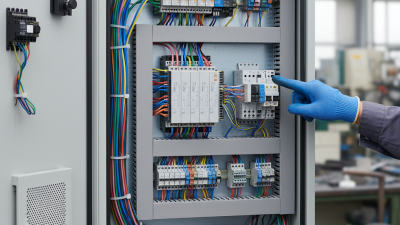
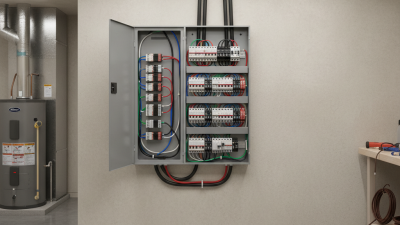
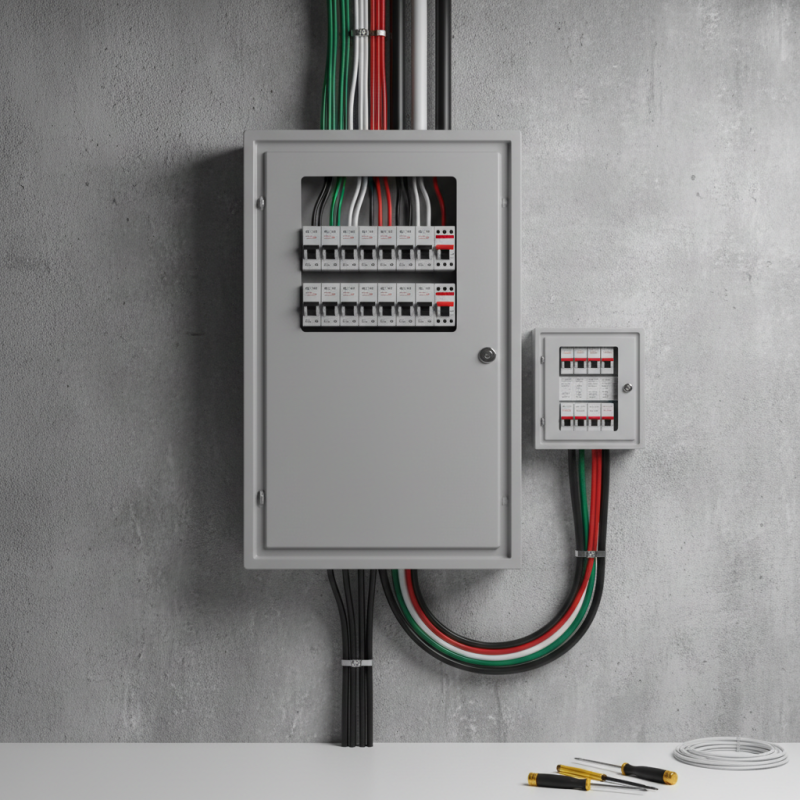
A panel board is a crucial component of any electrical system. It acts as a central hub for distributing electricity throughout a building. Inside the panel board, circuit breakers or fuses help manage electrical flow to various areas. This setup ensures that the system operates safely and efficiently.
Tips for maintenance: Regularly check the panel board for any signs of wear or damage. Dust can build up, so keep it clean. If you notice flickering lights or unusual sounds, it may indicate a problem. Don’t ignore these signals.
The layout of a panel board is often straightforward. Yet, each circuit serves a specific function. For instance, kitchen appliances require more power than lighting fixtures. Understanding this can prevent overloads. Remember, not all homeowners know how to reset a tripped breaker. This can lead to frustration or safety hazards.
Tips for troubleshooting: Familiarize yourself with your panel board. Knowing which breaker controls which area is beneficial. When you encounter issues, turn off the main power before investigating further. Safety should always come first, even for small problems.
Components of a Panel Board and Their Functions
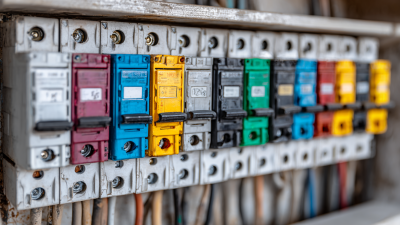
A panel board serves as the nerve center for electrical systems. Its components are critical in managing power distribution safely and efficiently. The main parts include main breakers, busbars, and branch circuit breakers. Each plays a role in controlling the flow of electricity.
Main breakers protect the entire system from overloads. They disconnect power during faults. In contrast, busbars distribute electricity to multiple circuits. They can handle significant current, often rated for hundreds of amps. This allows multiple devices to operate without voltage drops. Branch circuit breakers then protect individual circuits, ensuring safety for specific appliances or areas.
Reports indicate that effective panel board management can reduce energy costs by up to 30%. However, many installations lack proper labeling or maintenance. This leads to confusion and potential hazards. Consider a system where circuits are not clearly marked. Technicians might disconnect power to the wrong section, causing downtime. Regular audits and updates are essential for maximizing safety and efficiency in electrical systems.
How Panel Boards Enhance Electrical Safety
Panel boards play a crucial role in enhancing electrical safety. They serve as the main control point for electrical systems, distributing power effectively throughout a building. According to the National Fire Protection Association, about 80% of electrical fires result from faulty wiring or equipment. A well-designed panel board can help mitigate these risks.
Properly installed panel boards help prevent overloads, which can lead to serious hazards. They contain circuit breakers that automatically disconnect power during faults. This feature significantly reduces fire risks. A study by the Electrical Safety Foundation International indicates that homes with updated electrical panels have a 60% lower chance of experiencing electrical fires.
**Tips:** Regular inspections of your panel board are essential. Look for signs of wear and tear. Ensure that circuit breakers are functioning correctly. Also, consider labeling circuits for easy identification. This can be especially useful during emergencies. Always consult a licensed electrician for any upgrades to maintain safety. Remember, neglecting your panel board can lead to potential disasters.
Why Is a Panel Board Essential for Electrical Systems? - How Panel Boards Enhance Electrical Safety
| Aspect |
Description |
Safety Benefit |
| Centralized Power Distribution |
Panel boards distribute electrical power from one location to multiple circuits. |
Reduces the risk of overloads by managing load distribution effectively. |
| Circuit Protection |
Includes fuses or circuit breakers that protect electrical circuits from damage. |
Prevents electrical fires and equipment damage by disconnecting faulty circuits. |
| Ease of Maintenance |
Allows safe access to circuit breakers for inspection and replacement. |
Ensures quick troubleshooting without exposing live wires. |
| System Monitoring |
Facilitates the integration of monitoring systems for real-time performance tracking. |
Enhances safety by identifying issues before they escalate. |
| Compliance with Standards |
Helps ensure installations meet local and national electrical codes. |
Minimizes legal liabilities and increases overall system reliability. |
Panel Boards and Electrical Load Management
Panel boards play a crucial role in managing
electrical loads. They serve as distribution points for electrical power. By efficiently
dividing the power supply among various circuits, panel boards help prevent overloads and
enhance safety. According to the National Electrical Manufacturers Association, proper load
management can reduce energy costs by up to 30%.
Effective load management is essential for both residential and commercial systems.
Overloading can lead to circuit failures and even fire hazards. A well-designed panel
board can seamlessly handle peak loads, ensuring a steady power supply. Investing in
modern panel technology can significantly improve energy efficiency. Remember, an
under-utilized or overburdened panel board
requires careful evaluation.
Tips: Regular maintenance is key.
Inspect connections and circuit breakers regularly to ensure optimal performance.
Keep an eye on your energy consumption patterns; this helps identify any potential
overload situations before they become serious. Additionally, consulting with an
electrical professional can provide insights tailored to your specific needs.
Balancing electrical loads properly ensures longevity
and safety for your entire electrical system.
Common Types of Panel Boards Used in Residential and Commercial Settings
When it comes to electrical systems, panel boards play a crucial role. They serve as a central hub for distributing electricity throughout a building. In residential settings, homes typically use load centers or main breaker panels. These boards manage power for lighting, appliances, and HVAC systems. According to the National Electrical Manufacturers Association (NEMA), residential panel boards must meet specific safety standards to protect against overloads.
In commercial spaces, businesses often utilize distribution boards and subpanels. These systems are designed to handle larger loads. A report from the Electric Power Research Institute (EPRI) indicates that about 30% of electrical failures in commercial buildings stem from inadequate panel board capacity. This highlights the need for proper sizing and installation. Furthermore, panel boards in both settings should allow for future expansions. This adaptability is vital as the energy demands of both homes and businesses grow. Some panel boards lack this flexibility, which can lead to unsatisfactory performance.
Understanding the types of panel boards can aid in making informed decisions. It’s essential to consider the unique requirements of each space. Not every installation will be perfect or foolproof. Being aware of potential shortcomings can guide upgrades and maintenance. Ultimately, well-chosen panel boards contribute greatly to electrical system efficiency and safety.
Power Distribution by Panel Board Type in Residential and Commercial Settings

 Intelligent Manufacturing / Industry 4.0
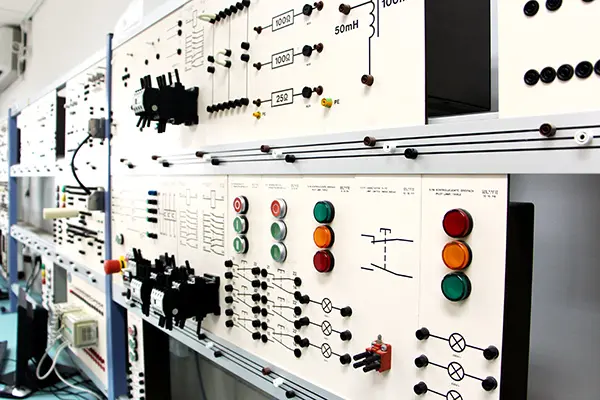 Motor Control Center MCC
 Data Center
 Environmental Industry
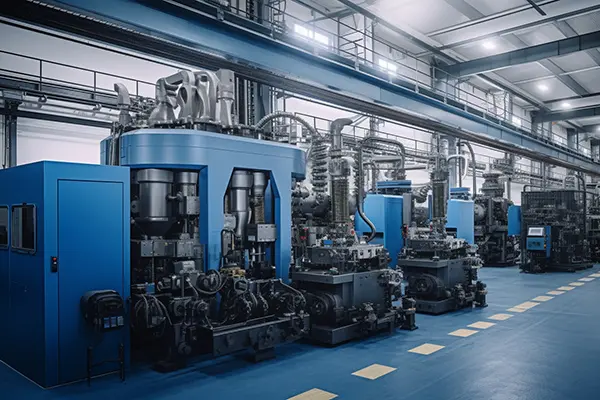 Industrial Machinery
 New Energy
 Pharmaceutical Manufacturing
 Petroleum & Chemical
 Marine & Offshore & Ship
 Food processing / agricultural production