What You Need to Know About Distribution Boards?
In the world of electrical infrastructure, understanding the role of a Distribution Board is crucial. According to research by the International Electrotechnical Commission, the global market for electrical distribution equipment is expected to reach $180 billion by 2025. A Distribution Board serves as the central point for electrical distribution in a facility. It connects the incoming supply to the outgoing circuits, ensuring that energy reaches various areas safely and efficiently.
However, not all Distribution Boards are created equal. Variability in quality, design, and installation can significantly impact performance and safety. A report by the National Fire Protection Association highlights that improper installation of electrical panels contributes to over 30% of electrical fires. This statistic underscores the necessity of adhering to best practices in the use of Distribution Boards.
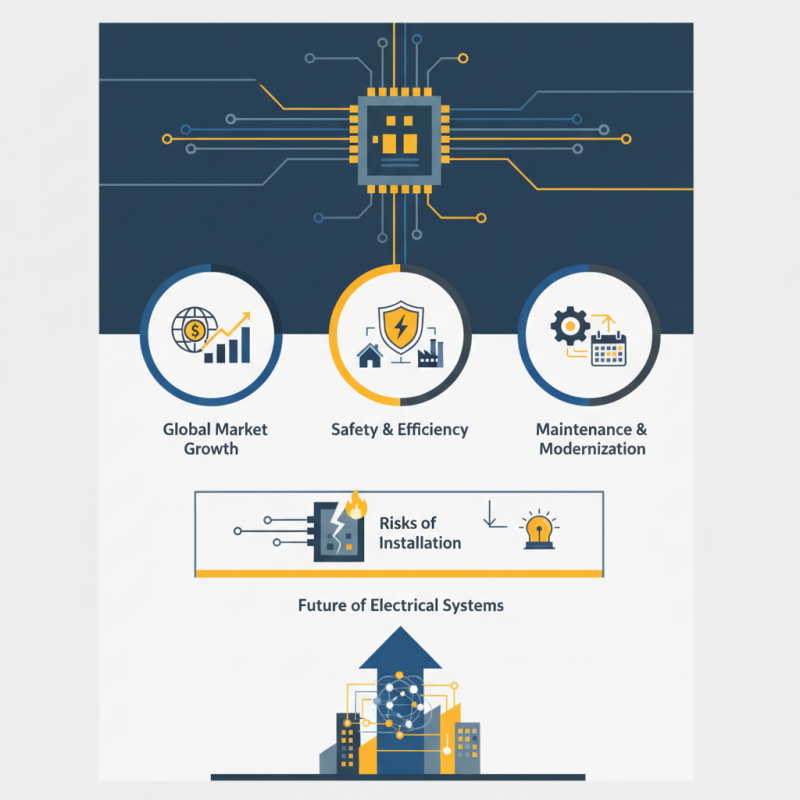
As buildings grow larger and more complex, the demand for efficient electrical distribution systems increases. Yet, many facilities still overlook regular maintenance and updates of their Distribution Boards. This negligence can lead to outdated technology, posing risks to safety and functionality. By prioritizing knowledge and adherence to industry standards, one can better appreciate the vital importance of Distribution Boards in today's electrical landscape.
Definition and Purpose of Distribution Boards
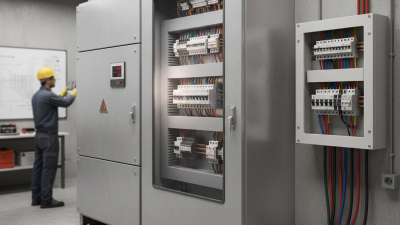
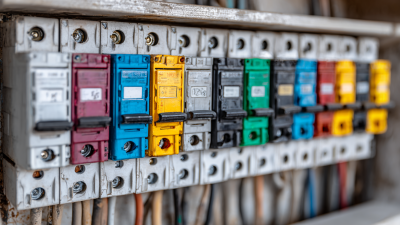
Distribution boards are essential components in electrical systems, directing power where it’s needed. They serve as a central point for electrical distribution, breaking down high voltage from the supply source into lower voltages for various circuits. Each circuit is protected by fuses or circuit breakers, which enhance safety. This organization prevents overloads and potential hazards.
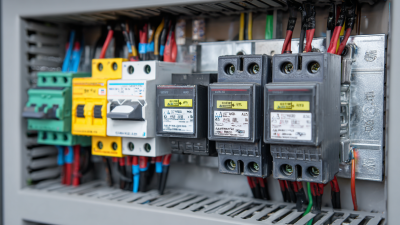
Understanding their purpose helps users appreciate safety measures. A distribution board minimizes risks by controlling the electricity flow. It ensures that different areas in a building receive adequate power. This is especially critical in buildings with varying power needs. However, improper installation or maintenance can lead to problems. One common issue is neglecting circuit labeling, which can confuse users and complicate troubleshooting.
Awareness of these factors is vital. A distribution board deserves attention beyond its physical presence. Regular inspections can reveal hidden issues. Adopting a proactive approach prevents future complications. Electrical systems can be complex, requiring skilled professionals for installations and repairs. This reinforces the significance of hiring qualified personnel for any modifications or inspections.
What You Need to Know About Distribution Boards
This bar chart illustrates the number of different types of distribution boards commonly used. The categories include single-phase boards, three-phase boards, and boards rated for different voltages. Understanding these categories helps in the selection and installation of appropriate distribution boards for various electrical configurations.
Components and Structure of Distribution Boards
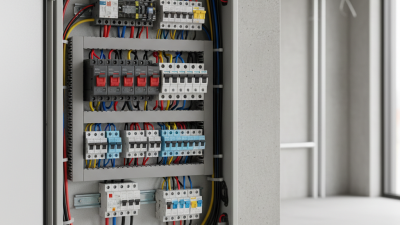
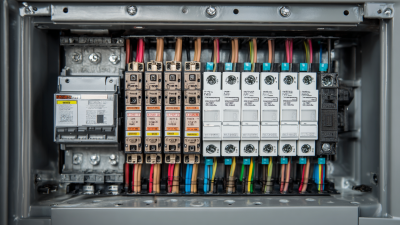
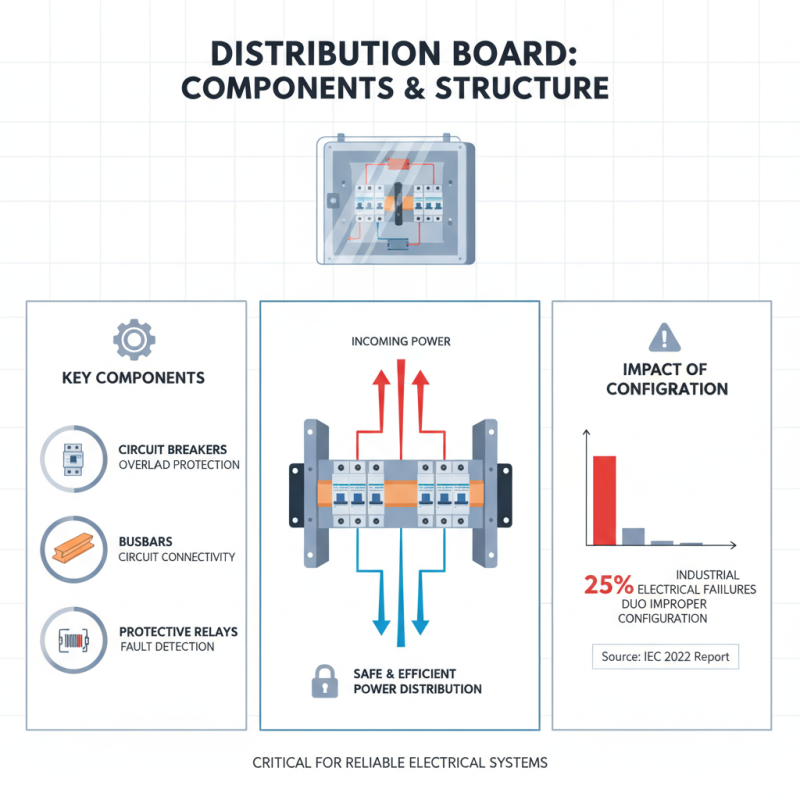
Distribution boards serve as critical components in electrical distribution systems. These boards ensure safe and efficient power distribution to various circuits. Their structure can vary, but essential components include circuit breakers, busbars, and protective relays. Circuit breakers protect individual circuits from overloads, while busbars help manage connectivity for multiple circuits. In a 2022 report by the International Electrotechnical Commission, it was noted that improper configurations in distribution boards contributed to 25% of industrial electrical failures.
The setup and maintenance of distribution boards require careful consideration. For instance, the placement of components can significantly affect operational efficiency. An ill-placed busbar can lead to hotspots and reduce the life span of the board. According to a study by the National Electrical Manufacturers Association, this oversight results in increased energy consumption by up to 15%. Regular inspection and adherence to installation guidelines are crucial for ensuring reliability and safety.
Despite advancement in technology, issues like inadequate labeling or circuit load imbalance persist in many systems. These mistakes highlight the importance of ongoing training for technicians. Industry standards advocate for continued education in distribution board management to mitigate risks. A well-trained workforce can better adapt to evolving technology and regulatory requirements, ultimately enhancing the reliability of electrical systems.
Types of Distribution Boards Used in Electrical Systems
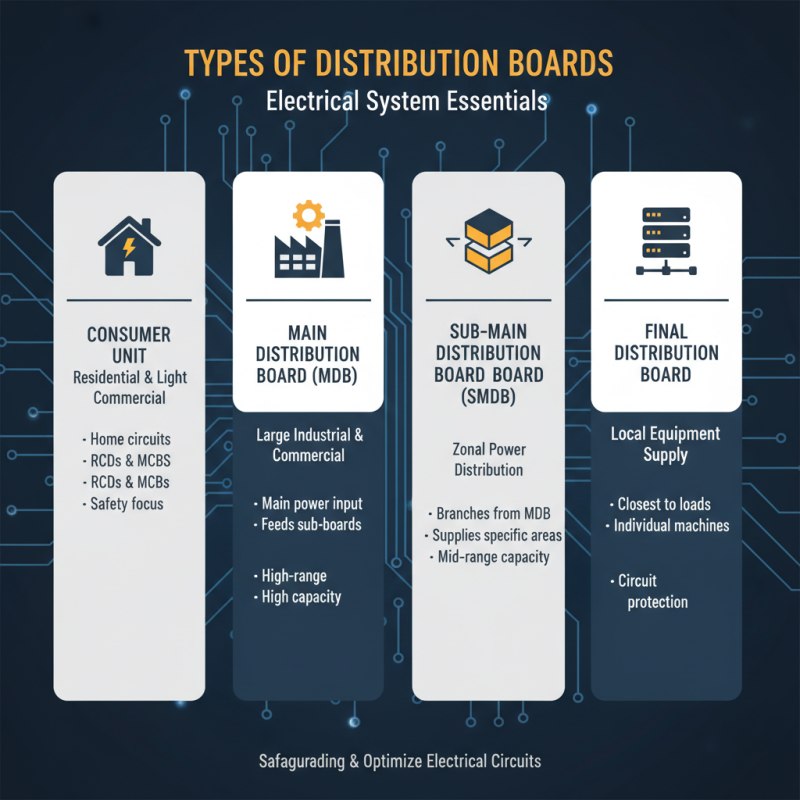
Distribution boards are critical components in electrical systems, dividing electricity into manageable circuits. They come in various types, each serving specific needs. Understanding these types enhances both safety and functionality.
One common type is the consumer unit, often used in residential settings. It houses circuit breakers that protect against overloads. Another type is the distribution panel, frequently found in commercial buildings. These panels can handle higher loads and allow for more flexible circuit arrangements. Then there's the sub-distribution board, which branches off from the main distribution board. This is useful for larger installations, providing localized control.
It's important to consider the environment when selecting a distribution board. For example, outdoor boards must be weather-resistant. In contrast, boards inside industrial settings may require additional safety features. Reflecting on these needs can lead to better decisions. The right type can improve efficiency, but finding the best option requires careful thought. Ensuring that a distribution board aligns with specific operational requirements is key.
Installation and Maintenance Best Practices for Distribution Boards
When installing distribution boards, proper practices ensure safety and longevity. Start with a clear layout. Ensure the board is accessible for maintenance. The location should avoid high humidity and direct sunlight. According to a recent industry report, nearly 30% of electrical failures stem from poor installation. Pay attention to cable management and separation of circuits to reduce overloading. Correct labeling of circuits is crucial. Mislabeling can lead to confusion during maintenance.
Regular maintenance is essential for optimal performance. Inspections should be scheduled biannually, focusing on connections and terminations. A study by the Electrical Safety Foundation revealed that well-maintained distribution boards experience 40% fewer faults. Cleaning is vital but should be done with care. Dust and moisture can accumulate, which may lead to electrical arcing. Monitoring heat levels with thermal imaging can also highlight potential issues early.
Inconsistencies in maintenance routines pose risks. Some facilities neglect visual inspections, trusting that everything is in order. This belief is often misleading. Recording maintenance activities and findings aids in identifying recurring issues. Such reflections can guide improvements in the process. Regular updates to maintenance protocols are wise, ensuring they align with the latest industry standards.
Common Issues and Troubleshooting for Distribution Boards
Distribution boards play a crucial role in any electrical system. Common issues often arise, leading to significant functionality problems. According to a report from the International Electrotechnical Commission, about 30% of electrical failures originate from distribution boards. Understanding troubleshooting methods is essential for maintaining system integrity.
Overloaded circuits frequently cause overheating. This situation can lead to tripped breakers and loss of power. Regular assessments can help avoid these pitfalls. A survey by the National Fire Protection Association revealed that inadequate maintenance contributes to 50% of electrical-related fires. Ensuring the proper load distribution is crucial for safety.
Another issue to consider is loose connections. These can lead to arcing, resulting in damage or failure of the board. Inspecting terminals for tightness is wise. Furthermore, environmental conditions such as moisture can compromise the board. According to the Electrical Safety Foundation International, approximately 15% of equipment failures can be traced back to environmental factors. Routine checks are essential for electrical reliability.

 Intelligent Manufacturing / Industry 4.0
 Motor Control Center MCC
 Data Center
 Environmental Industry
 Industrial Machinery
 New Energy
 Pharmaceutical Manufacturing
 Petroleum & Chemical
 Marine & Offshore & Ship
 Food processing / agricultural production