How to Choose the Right Pcc Panel for Your Project?
Choosing the right PCC panel for your project is crucial. A PCC panel, or power control center panel, plays a key role in electrical distribution. It ensures power is distributed safely and efficiently across various systems.
When selecting a PCC panel, consider specific needs. Projects vary greatly, and so do requirements for power control. The panel must support load capacity and operational demands. Choosing the wrong one can lead to inefficiencies and increased costs.
Pay attention to details like size and configuration. Custom solutions may be necessary for unique projects. Remember, the ideal PCC panel balances functionality and budget. Reflecting on your choices will lead to better outcomes.
Understanding PCC Panels: Types and Functions
PCC panels, or Power Control Center panels, are essential in electrical management. They regulate and control electrical distribution systems. Understanding their types and functions can help you make informed choices for your project.
There are several types of PCC panels. Some are designed for industrial use, while others cater to commercial applications. Industrial panels often handle high loads and operate in demanding conditions. Commercial panels might be simpler, focusing on efficiency rather than sheer power. Each type has unique features, such as automatic circuit breakers or integrated monitoring systems. It's crucial to examine your specific needs.
One common mistake is underestimating the panel's load capacity. Many projects oversize or undersize their panels. This error can lead to inefficiencies. Balancing cost and performance is also tricky. A cheaper panel may not offer the necessary reliability. Consider potential future expansions. The right PCC panel today may not meet your needs tomorrow. Explore your options carefully before making a choice.
How to Choose the Right Pcc Panel for Your Project? - Understanding PCC Panels: Types and Functions
| PCC Panel Type |
Voltage Rating |
Applications |
Functionality |
Key Features |
| Fixed PCC Panel |
Up to 1000V |
Industrial Motors, Pumps |
Power Distribution |
Scalable Circuitry, Safety Features |
| Smart PCC Panel |
Up to 400V |
Data Centers, Commercial Buildings |
Monitoring and Control |
IoT Integration, Remote Monitoring |
| Metal-Enclosed PCC Panel |
Up to 15kV |
Utility Power Distribution |
Protection and Switching |
Robust Construction, Enhanced Safety |
| Panelboard PCC |
Up to 1200A |
Commercial Applications |
Power Management |
Compact Design, Easy Maintenance |
| Modular PCC Panel |
Up to 1000V |
Flexible Industrial Settings |
Customizable Layout |
Scalability, Easy Configuration |
Assess Your Project Requirements for PCC Panel Selection
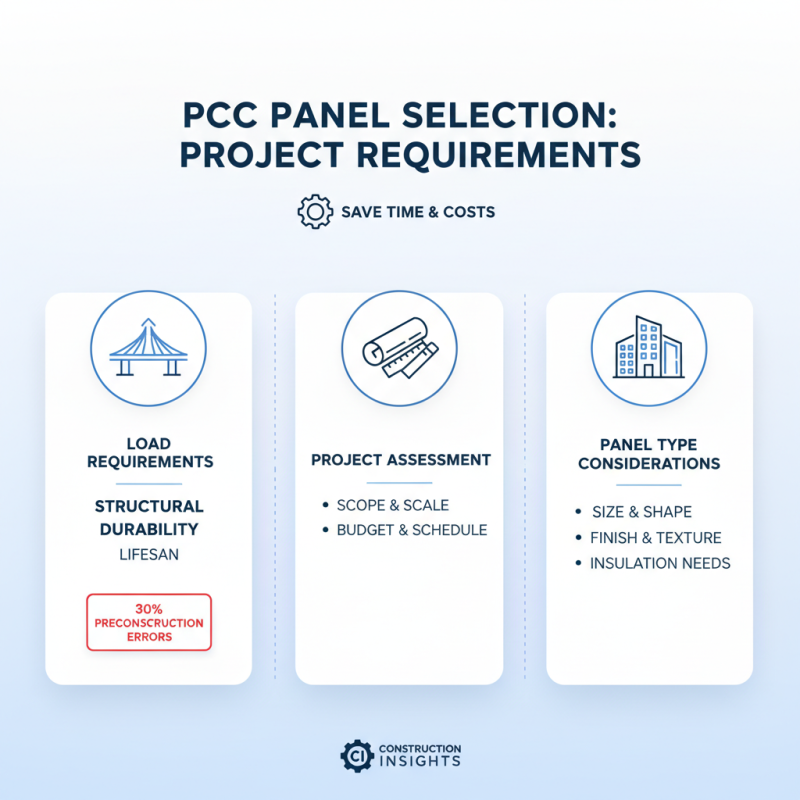
When selecting a PCC (Precast Concrete) panel, understanding your project requirements is crucial. A comprehensive assessment can save time and costs. Consider the load requirements first. According to industry reports, nearly 30% of preconstruction errors arise from overlooking these specifications. They define the durability and overall lifespan of the structure.
Next, analyze the environmental conditions. Panels may face various weather challenges. The right material choice can enhance resilience. For instance, extreme temperature changes can cause significant damage if not properly accounted for. Additionally, 25% of construction delays are linked to material failures in adverse conditions. Ensuring the right specifications helps mitigate these risks.
Lastly, remember aesthetics and design intent. While functionality is vital, visual appeal plays a significant role too. Many architects cite that aesthetics influence up to 50% of client satisfaction. Neglecting this aspect may lead to rework, further increasing costs and time. A balanced approach to all these requirements is essential for a successful PCC panel selection.
Key Factors to Consider When Choosing PCC Panels
Choosing the right PCC panel involves several key factors. First, consider the panel's application. Is it for industrial use or residential projects? Understanding where the panel will be used is crucial. It's important to assess load-bearing requirements as well. Different panels support different weights and stresses.
Next, think about environmental conditions. Will the panel be exposed to moisture or extreme temperatures? Selecting a panel with appropriate weather resistance is essential. Take note of standards and certifications too. It ensures that the panel meets safety regulations and quality benchmarks.
Don't overlook aesthetics and customization options. Can the panel blend with your design? Some projects might need unique colors or finishes. Reflecting on these aspects can help make the right choice. However, be prepared for trade-offs. Sometimes, cost-cutting can impact quality. Ensure that compromises align with your project's goals.
Comparison of PCC Panel Types Based on Key Factors
Comparing Manufacturers and Brands of PCC Panels
When it comes to selecting the right PCC panel, understanding the differences between manufacturers is crucial. Not all brands offer the same quality or durability. Some may not meet industry standards, while others excel in innovation and reliability. Assessing the materials used can provide insights into their lifespan. For example, panels made from high-grade materials often last longer and perform better in various conditions.
Comparing different brands also involves looking at customer reviews and feedback. Some users may report issues that are not apparent in the specifications. Others may rave about service and support. These insights can guide your choice. It’s important to consider not just the product, but the entire purchasing experience. Understanding warranty terms is essential too; a longer warranty often indicates manufacturer confidence in their products.
Another factor to reflect on is pricing. Lower cost does not always equate to value. Investing in a higher-end panel could save money in the long run by avoiding frequent replacements. Analyze your project's specific needs. Take time to weigh the pros and cons of various options before making a decision. This process can feel overwhelming, but it’s essential for your project's success.
Installation and Maintenance Considerations for PCC Panels
When selecting PCC panels for your project, installation and maintenance are crucial aspects. Proper installation ensures safety and reliability. Pay close attention to the panel's alignment. Misaligned panels can lead to structural weaknesses. Each panel must be secured tightly to prevent movement. During installation, double-check all connections. Small oversights can result in larger issues down the line.
Maintenance of PCC panels doesn't take much effort but is essential. Regular inspections can catch cracks or wear early. Look for signs of water damage or rust. Conduct these checks every few months. If any damage is found, it should be addressed immediately. Even minor issues can escalate quickly if ignored. Keeping records of maintenance activities helps track any recurring problems. Maintaining a routine will extend the lifespan of your PCC panels significantly, enhancing overall project durability.

 Intelligent Manufacturing / Industry 4.0
 Motor Control Center MCC
 Data Center
 Environmental Industry
 Industrial Machinery
 New Energy
 Pharmaceutical Manufacturing
 Petroleum & Chemical
 Marine & Offshore & Ship
 Food processing / agricultural production