How to Choose the Right Motor Starter Control Panel?
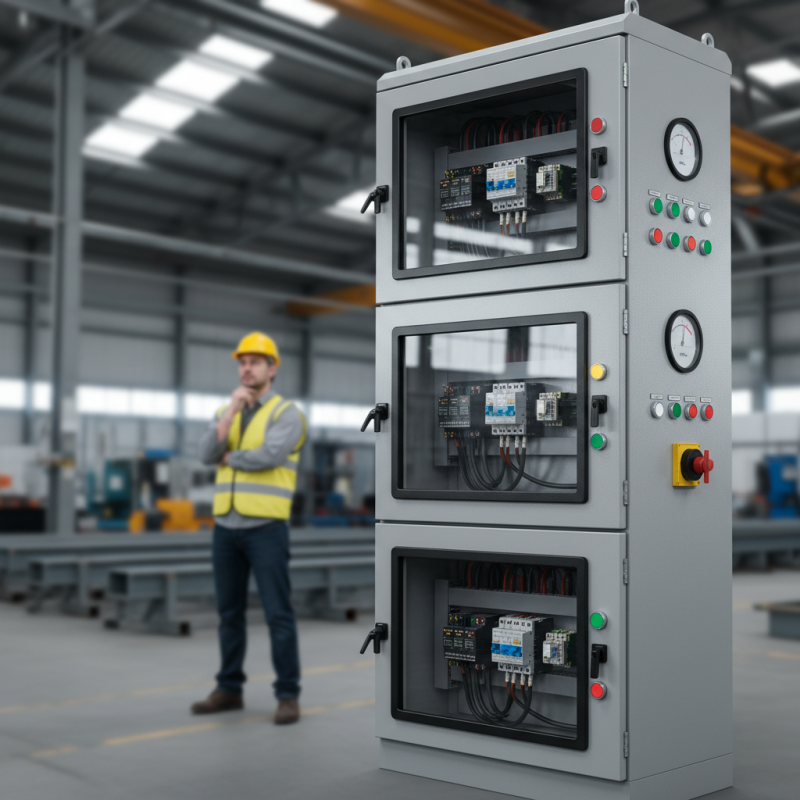
Choosing the right Motor Starter Control Panel is crucial for optimal equipment performance. Industry expert John Smith emphasizes, "Selecting the correct panel can prevent costly downtime." A Motor Starter Control Panel manages electrical systems, ensuring safety and efficiency. The panel’s quality impacts performance directly.
Inadequate panels may lead to equipment failure or safety hazards. It's vital to assess specifications and application needs thoroughly. Many overlook the importance of compatibility with existing systems. This oversight can lead to significant issues down the line.
Understanding the features and benefits of different Motor Starter Control Panels requires careful consideration. Professionals must reflect on their choices. Sometimes, initial selections may not meet long-term goals. Effective planning and research will ensure the best outcomes for projects.
Understanding Motor Starter Control Panels and Their Functions
Motor starter control panels are essential for managing electric motors. These panels protect the motor and ensure its efficient operation. They serve several functions, including controlling voltage, providing overload protection, and enabling remote operation. Understanding these functions is crucial for effective utilization.
When selecting a motor starter control panel, one must consider several factors. The size of the motor, the operating environment, and the specific application are key elements. If a panel is not adequately sized, it may lead to inefficiency or even failure. Users often overlook the importance of environmental factors, such as humidity and temperature. Adverse conditions can lead to premature wear.
It’s vital to think about future needs. Will there be a need for expansion? Will technology change or improve? A panel that meets current demands might become obsolete quickly. Frequent upgrades can become costly, so planning ahead is advisable. Inadequate foresight may result in repeated investments in new panels. Hence, weighing both immediate and long-term needs is essential.
Understanding Motor Starter Control Panels and Their Functions
Key Factors to Consider When Selecting a Motor Starter Control Panel
Choosing the right motor starter control panel involves several critical factors. First, consider the voltage requirements. Panels should match the voltage level of the motor. Incorrect voltage can lead to inefficiency or damage. Next, think about the type of motor you are using. Different motors, like AC or DC, have unique starter needs.
Safety features are also essential. Look for panels that include overload protection and short-circuit protection. These features can prevent costly repairs and ensure safety. The size of the control panel matters too. A compact panel can save space but may lack features compared to larger ones.
Finally, pay attention to ease of maintenance. A panel that is difficult to access or troubleshoot can lead to extended downtime. Check if the design allows for easy wiring and component replacement. Sometimes, the most advanced panel lacks practicality. Weigh aesthetics against functionality to find the right balance.
Types of Motor Starter Control Panels and Their Applications
Choosing the right motor starter control panel is crucial for efficient motor management. Various types of control panels cater to different applications. The most common types include direct-on-line (DOL) starters, star-delta starters, and soft starters. Each serves a unique function based on motor size and startup requirements.
DOL starters are simple and economical. They are ideal for small motors, typically under 5 HP. According to industry reports, DOL starters account for around 70% of starter applications due to their straightforward design and low initial cost. However, they can cause high inrush currents, leading to potential mechanical wear.
Star-delta starters reduce the voltage during startup. This approach minimizes stress on the motor and supply network. They are suitable for medium-sized motors, usually between 5 and 50 HP. Interestingly, while they help in reducing energy surges, they require precise timing and coordination for effective operation. Users often overlook these factors, leading to inefficient performance.
Soft starters provide smooth acceleration. They are more versatile and can handle larger motors effectively. Industry analysis indicates a growing trend towards their use, especially in applications requiring delicate startups. However, they may not be the cheapest option. Balancing cost with performance is essential.
Evaluating Motor Starter Control Panel Specifications and Features
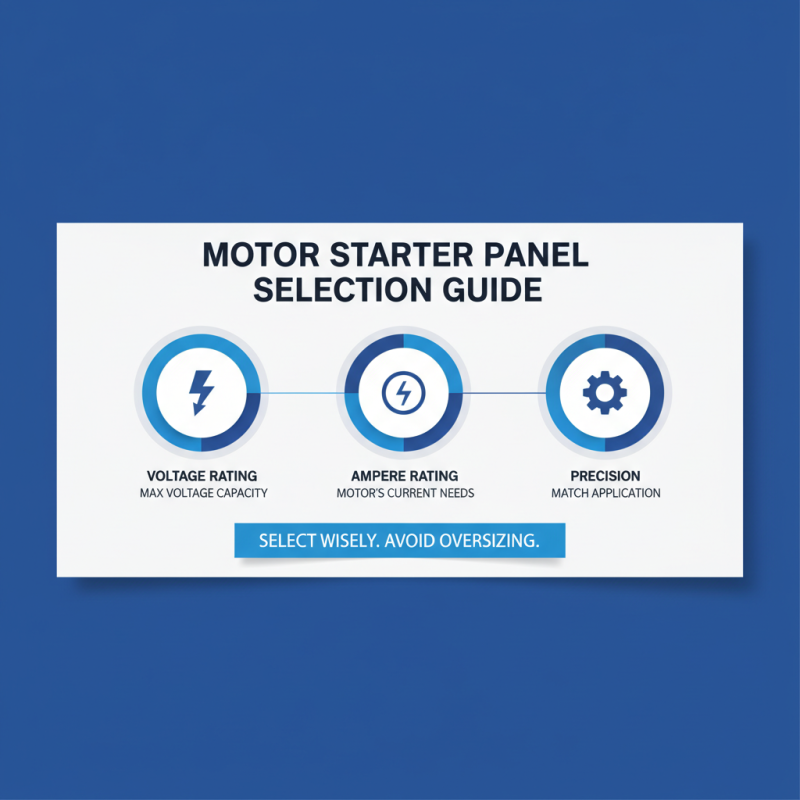
When evaluating motor starter control panel specifications, several key features stand out. Start by considering the voltage rating. This value indicates the maximum voltage the panel can handle. Panels also come with different ampere ratings. Choose one that aligns with your motor's requirements. Not all applications need high ratings. Precision is crucial here.
Next, think about the control methods. Some panels offer manual control, while others come with automatic features. Automation can boost efficiency, but it might add complexity. Look at the start and stop mechanisms too. Soft starters are popular for their smooth operation. They reduce mechanical stress and energy consumption.
Safety features should not be overlooked. Overload protection is essential. It prevents damage to the motor during high currents. Additionally, explore the presence of thermal protection. This feature guards against overheating. While these specifications seem straightforward, they require careful consideration. Your needs may evolve, and what works now may not be ideal later. Flexibility often trumps rigidity in panel design.
Installation and Maintenance Tips for Motor Starter Control Panels
When installing a motor starter control panel, attention to detail is crucial. Ensure that the installation site is clean and free from moisture. Proper ventilation is essential. A dusty environment can affect performance. Connect the wiring correctly, following the manufacturer's instructions. Miswiring can lead to equipment failure.
Regular maintenance can extend the lifespan of your motor starter control panel. Check for signs of wear, such as frayed wires or loose connections. These can create safety hazards and operational issues. It's wise to schedule routine inspections. This proactive approach can save time and money.
Tips: Keep the panel area organized. Label any connections clearly. This reduces confusion during repairs. Document all maintenance activities. It helps track the panel's history. Remember to test the operation of the controls periodically. Catching issues early can prevent major breakdowns.
How to Choose the Right Motor Starter Control Panel? - Installation and Maintenance Tips for Motor Starter Control Panels
| Feature |
Description |
Maintenance Tips |
| Overload Protection |
Prevents motor damage by breaking the circuit when it draws too much current. |
Regularly check settings and test the overload relay every few months. |
| Control Voltage |
The voltage used to operate control devices in the panel. |
Verify voltage levels during inspections and ensure compatibility with devices. |
| Enclosure Type |
Determines the protection level against environmental factors. |
Clean the enclosure regularly and check for rust or damage. |
| Accessibility |
Location and ease of access for maintenance and troubleshooting. |
Ensure that the panel is accessible and that pathways are clear. |
| Ventilation |
Allows heat dissipation from the electrical components. |
Inspect air filters and ensure vents are free from obstructions. |

 Intelligent Manufacturing / Industry 4.0
 Motor Control Center MCC
 Data Center
 Environmental Industry
 Industrial Machinery
 New Energy
 Pharmaceutical Manufacturing
 Petroleum & Chemical
 Marine & Offshore & Ship
 Food processing / agricultural production