How to Choose the Right Grp Electric Cabinet for Your Needs?
Choosing the right GRP Electric Cabinet can significantly impact safety and efficiency in various applications. According to recent industry reports, the global market for electrical enclosures is projected to reach USD 12 billion by 2025, driven by the increased demand for infrastructure development. This emphasizes the importance of making informed choices when selecting electric cabinets, especially GRP models.
GRP Electric Cabinets are known for their corrosion resistance and lightweight properties. In sectors like telecommunications and renewable energy, these cabinets offer durability in harsh environments. However, not all GRP cabinets are created equal. Specifications such as load capacity, ingress protection rating, and customization options need careful consideration to meet specific project requirements. Studies indicate that improperly selected cabinets can lead to electrical failures or costly maintenance issues.
Given these factors, it is crucial to consult industry standards and seek advice from experts. Relying solely on price can lead to regret later. A well-chosen GRP Electric Cabinet not only enhances the longevity of your equipment but also ensures compliance with safety regulations. The decision-making process deserves thoughtful attention and ongoing evaluation to avoid pitfalls.
Understanding the Role of GRP Electric Cabinets in Energy Management
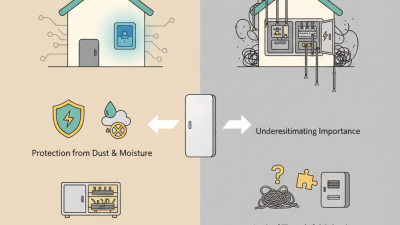
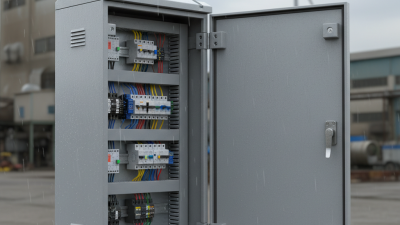
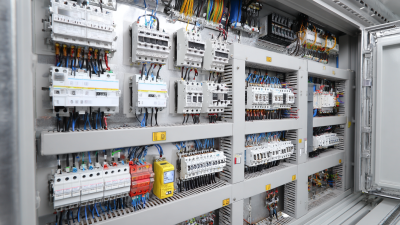
GRP electric cabinets play a crucial role in energy management systems. They serve as protective enclosures for electrical devices and cables, ensuring safety and efficiency. These cabinets safeguard equipment from environmental factors, such as moisture and dust. Properly designed cabinets can substantially enhance the lifespan of electrical components.
Choosing the right GRP cabinet requires careful consideration of several factors. Size and layout must match the equipment inside. Look for cabinets with adequate ventilation to prevent overheating. A poorly ventilated cabinet can lead to equipment failures. The material of the cabinet also matters; GRP is favored for its durability and resistance to corrosion.
However, not all applications are the same. Some industries may need specialized features not commonly found in standard cabinets. It's vital to assess future energy needs. Expansion plans might require a larger cabinet or extra compartments. Take time to reflect on specific requirements before making a decision. Prioritize adaptability and reliability in your choices. A hasty selection might lead to costly revisions later on.
How to Choose the Right GRP Electric Cabinet for Your Needs?
| Feature |
Description |
Benefits |
Considerations |
| Material |
Glass-reinforced plastic (GRP) |
Lightweight, corrosion-resistant |
Cost can be higher than metal alternatives |
| Size |
Available in various dimensions |
Customizable to fit specific installation needs |
Ensure adequate space for installation and maintenance |
| IP Rating |
Ingress Protection rating (e.g., IP55) |
Protection against dust and water ingress |
Choose rating based on environmental conditions |
| Ventilation |
Passive or active ventilation options |
Prevents overheating of electrical components |
Make sure ventilation is adequate for equipment |
| Access Control |
Locking mechanisms and keys |
Enhances security of electrical installations |
Consider ease of access for authorized personnel |
Key Factors to Consider When Selecting GRP Electric Cabinets
When selecting GRP (Glass Reinforced Plastic) electric cabinets, several key factors should be considered for optimal performance. The environmental conditions of the installation site play a crucial role. For instance, if the cabinet will be exposed to high humidity or corrosive substances, choosing a cabinet with UV resistance and robust protective features is essential.
Consider the size and capacity of the cabinet as well. According to recent industry reports, the market for GRP cabinets is expected to grow at a CAGR of 6.2% from 2023 to 2028. This indicates increasing demand, highlighting the necessity for properly sized solutions. Cabinet dimensions should align with your specific equipment and spatial constraints, ensuring efficient usage.
Moreover, regulatory compliance is a vital aspect. Electric cabinets must meet various standards based on the region. Skipping this step can lead to operational hazards. In one study, nearly 30% of installations faced issues due to non-compliance with local regulations. Therefore, verifying certifications and ensuring alignment with safety standards cannot be overstated. Choosing the right GRP electric cabinet means balancing durability, size, and compliance, all while reflecting on your specific needs and the potential consequences of oversight.
Evaluating Size and Capacity Requirements for Your Electrical Needs
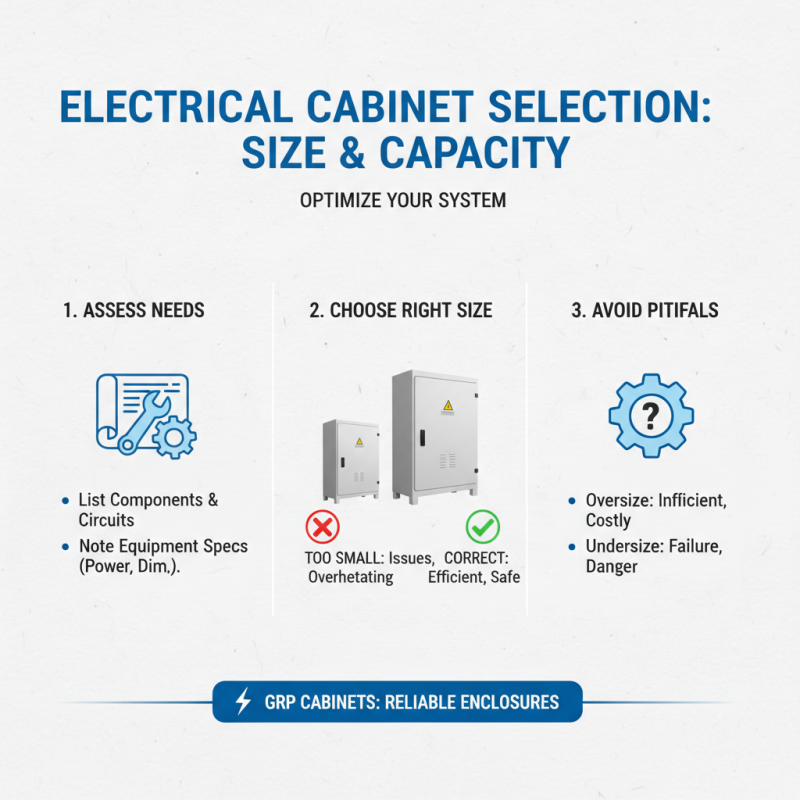
When selecting a GRP electric cabinet, understanding size and capacity is crucial. Electrical systems vary greatly. Each application has unique requirements. Assessing your needs involves considering the components you plan to house. Take stock of circuits and equipment specifications. A cabinet that is too small will cause issues. Conversely, an oversized cabinet can lead to inefficiencies.
Evaluate your current and future electrical demands. It's wise to allow for expansion. If you anticipate growth, opt for a larger cabinet. This foresight prevents future hassles. Dimensions matter; ensure the cabinet fits in the designated area. Measure the space carefully. Allow room for airflow and maintenance access. Tight spaces can lead to overheating and service difficulty.
While making decisions, it’s easy to overlook certain aspects. You might prioritize aesthetics over functionality. Reflect on how this could affect performance. Be critical of your choices. Sometimes, seeking expert advice can clarify your options. Balance practicality with your vision for the installation. Each factor influences the effectiveness of the cabinet you choose.
Material Durability and Environmental Resistance: Key Considerations
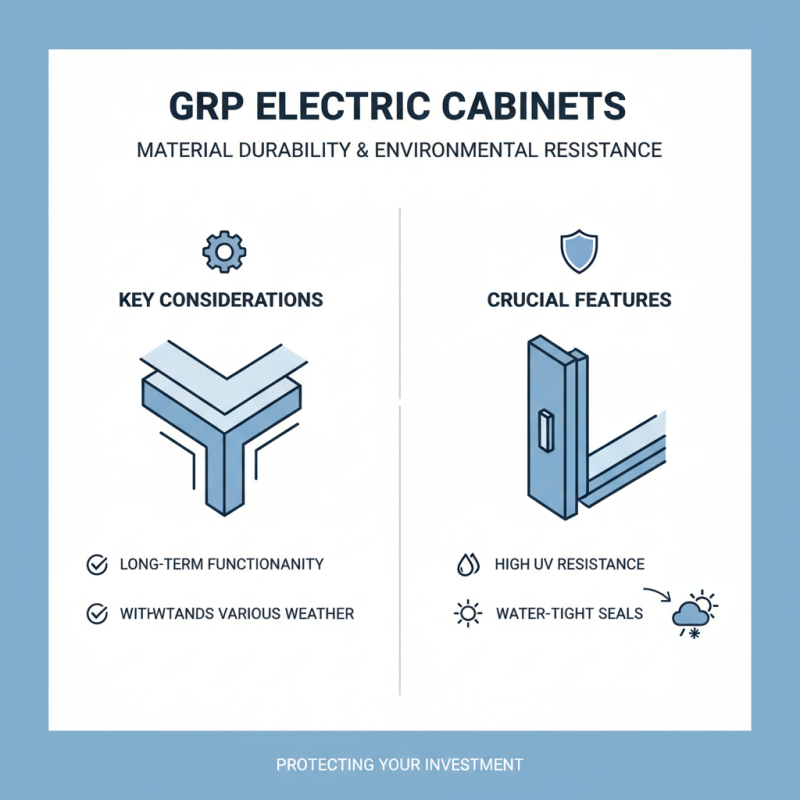
Choosing the right GRP electric cabinet hinges greatly on material durability and environmental resistance. These elements are crucial for long-term functionality. A cabinet must endure various weather conditions, including rain, snow, and intense sunlight. Not all materials can handle these stresses. Opting for cabinets with high UV resistance and water-tight seals is vital.
Consider the environment where the cabinet will be installed. In coastal areas, salty air can corrosion occur quickly. Adequate resistance to salt and humidity should be a priority. A cabinet made from non-corrosive materials can extend its lifespan significantly.
Tips: When selecting your cabinet, check for factors like temperature range and contamination resistance. These details may seem minor but impact performance. Frequent inspections are essential to ensure your cabinet is not showing signs of wear or damage. Regular maintenance can prevent future issues. Always strive for the best quality within your budget, as reliability is non-negotiable for safeguarding your electrical components.
Cost Analysis: Budgeting for GRP Electric Cabinet Installation and Maintenance
When budgeting for a GRP electric cabinet installation, it's essential to consider all associated costs. The average cost for installing a GRP cabinet ranges from $1,500 to $3,000. This figure includes not only the purchase but also labor and installation expenses. According to industry reports, these cabinets can have a lifespan exceeding 30 years, making them a long-term investment. However, inadequate planning can lead to unforeseen expenses.
Maintenance costs should also be factored in. Regular inspections and upkeep can add 10-15% to the overall annual budget. Failure to conduct maintenance may result in complications down the road. Reports suggest that neglecting these routine checks can increase the risk of system failures, leading to costly repairs.
An often-overlooked aspect is the cost of energy efficiency. GRP cabinets are designed to minimize energy loss. Studies show they can save approximately 20% on energy costs compared to traditional materials. Still, upfront costs can be daunting, and not all users fully grasp the long-term savings potential. Understanding these factors can ensure a well-rounded decision, balancing immediate budget constraints with future financial benefits.

 Intelligent Manufacturing / Industry 4.0
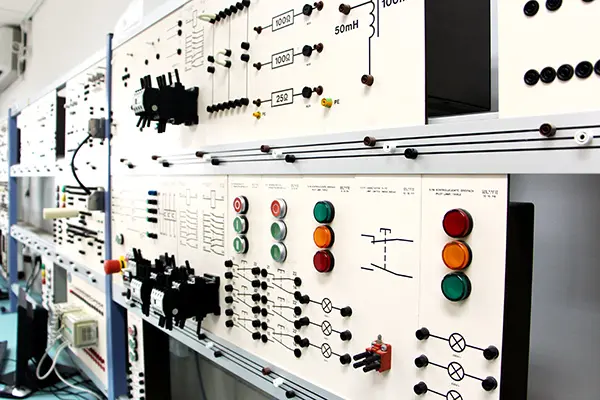 Motor Control Center MCC
 Data Center
 Environmental Industry
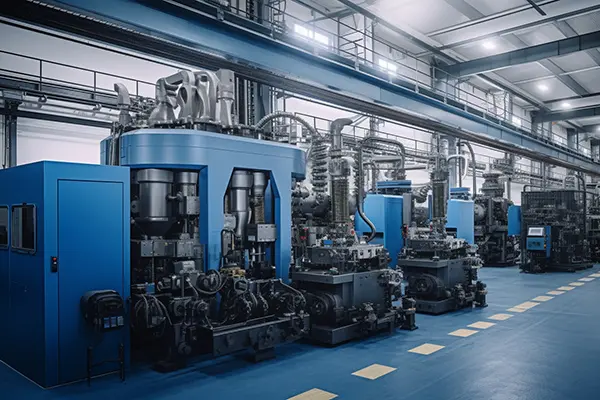 Industrial Machinery
 New Energy
 Pharmaceutical Manufacturing
 Petroleum & Chemical
 Marine & Offshore & Ship
 Food processing / agricultural production