How to Choose the Best Grp Electric Cabinet for Your Needs?
Choosing the right GRP electric cabinet is crucial for various applications. According to a recent market report by Technavio, the demand for fiberglass reinforced plastics, including GRP products, is expected to grow significantly. This growth emphasizes the importance of making informed decisions in selecting suitable cabinets.
When selecting a GRP electric cabinet, consider factors such as size, durability, and environmental conditions. A high-quality cabinet can withstand harsh weather and provide robust protection for electrical components. However, not all products are created equally. Some cabinets may lack essential certifications or proper insulation, leading to potential issues in the long run.
Additionally, it's vital to reflect on specific needs. Will the cabinet be used indoors, outdoors, or both? This consideration can greatly impact the overall efficiency and longevity of your investment. The right GRP electric cabinet can enhance electrical safety and operational efficiency, but choosing poorly can lead to increased costs and safety risks. Taking the time to evaluate your requirements is an investment in a safer, more reliable electrical system.
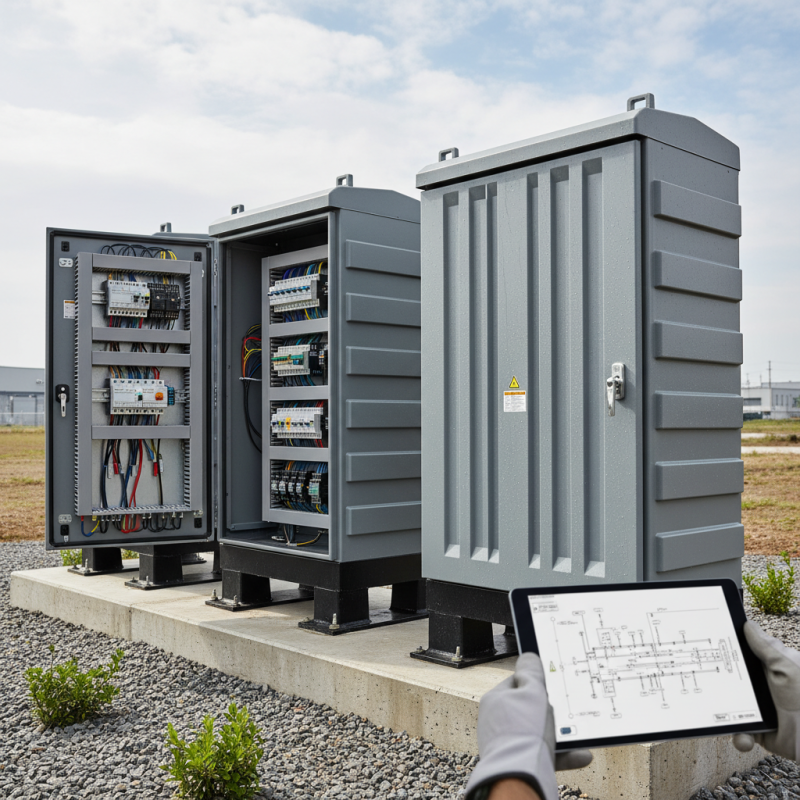
Understanding the Purpose of GRP Electric Cabinets
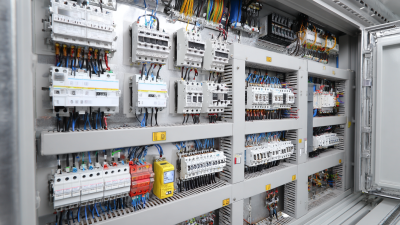
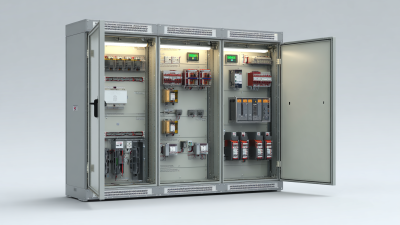
GRP electric cabinets are essential for various applications, including electrical distribution and control. They house vital electrical components while protecting them from environmental factors. These cabinets are often used in outdoor settings, requiring a robust design. A high-quality GRP cabinet can withstand moisture, corrosion, and extreme temperatures.
Understanding the purpose of these cabinets is crucial for selecting the right one. They provide safety and reliability for electrical systems. Yet, many users overlook specific details. For instance, installation area and expected load can significantly impact the choice of a cabinet. Insufficient consideration of these factors may lead to frequent failures or costly repairs.
Moreover, not all GRP cabinets are created equal. Some may lack adequate sealing or insulation, leading to potential water ingress. Evaluating these features ensures better long-term performance. Users might find it challenging to assess their actual requirements. Working with a knowledgeable supplier can clarify these concerns and highlight essential specifications. Understanding the core functions of GRP electric cabinets ultimately guides users in making informed decisions.
Key Factors to Consider When Selecting a GRP Electric Cabinet
When selecting a GRP electric cabinet, several key factors should be considered. Start with the size and capacity of the cabinet. It must accommodate your equipment comfortably. Too small, and you'll face space issues. Too large can lead to wasted resources. Think carefully about the dimensions you need.
The environmental conditions where the cabinet will be located are crucial. Consider factors like humidity, temperature, and potential exposure to chemicals. A well-sealed cabinet can protect sensitive electronics. However, not all cabinets are designed for harsh environments. Choose wisely, as this decision can affect longevity.
Material quality is paramount. GRP, or glass-reinforced plastic, offers durability. It resists corrosion and wear. But not all GRP is the same. Be cautious of low-quality options; they may not withstand the test of time. Reliability and safety are non-negotiable in electrical applications. Take the time to research the specifications. Reflect on the long-term implications of your choice. The right cabinet choice means more than just a container; it ensures the safety and efficiency of your electrical systems.
Evaluating Size and Capacity Requirements for Your Installation
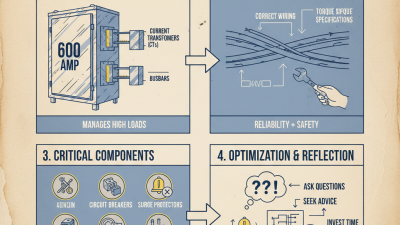
When evaluating size and capacity for your electrical installation, specific requirements are crucial. The National Electrical Manufacturers Association (NEMA) reports that an improper sized cabinet can lead to overheating and equipment failure. Therefore, assess your current and anticipated load requirements carefully. Consider factors like circuit breaker ratings, total amperage, and available space.
Space restrictions often dictate the size of your grp electric cabinet. It should fit within designated areas without sacrificing performance. A cabinet that is too large can waste valuable space. Conversely, a smaller cabinet can lead to overcrowding. According to industry statistics, nearly 45% of facilities experience issues due to inadequate cabinet sizing. Take your time to measure and plan out the space before making a decision.
Additionally, think about future expansions. A cabinet with limited capacity may suffice today, but what about tomorrow? Data from industry studies reveal that over 60% of businesses face unexpected growth. This can necessitate additional electrical capacity. Failing to account for this could result in increased costs later. Make informed selections today to avoid regret tomorrow.
Material Quality and Durability: What to Look For
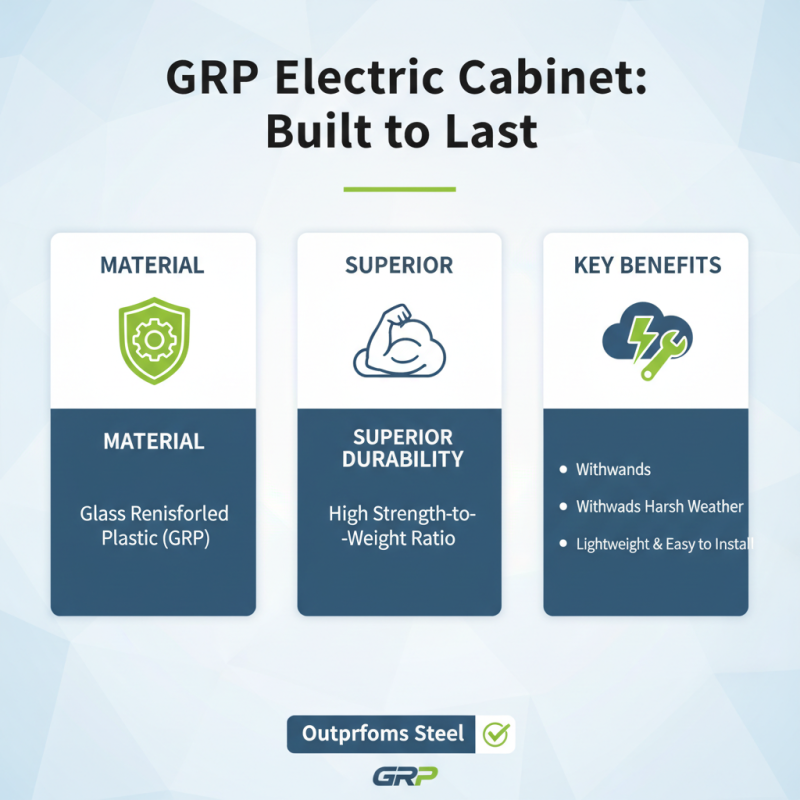
When selecting a GRP electric cabinet, material quality and durability play crucial roles. The use of Glass Reinforced Plastic (GRP) offers significant advantages. According to industry reports, GRP has a higher strength-to-weight ratio compared to traditional materials like steel. This means GRP cabinets can withstand harsh weather conditions while remaining lightweight and easy to install.
Look for cabinets made from UV-resistant GRP. This feature ensures longevity, as it prevents degradation from prolonged exposure to sunlight. In terms of durability, cabinets that meet IEC 62208 standards have enhanced resilience against impacts and corrosion. Research shows that well-manufactured GRP can last over 25 years, which is crucial for minimizing replacement costs.
However, not all GRP cabinets are created equal. Variations in manufacturing processes can lead to subpar products. It’s essential to verify the source and quality certifications. Reliable suppliers often provide test results that showcase impact resistance and thermal conductivity. When uncertain, it’s wise to consult industry experts. They can help determine the best options based on specific environmental conditions and use cases. Remember, investing in quality pays off in the long run.
Assessing Safety Features and Compliance Standards
When selecting a GRP electric cabinet, safety features are paramount. Understanding compliance standards is essential for ensuring the protection of both equipment and personnel. For instance, cabinets should comply with IEC 61439 standards that set the bar for electrical installations. This standard indicates a cabinet's capability to withstand environmental stresses. Failure to meet these standards can result in equipment damage or safety hazards.
Furthermore, the use of materials with high fire resistance is crucial. Reports show that approximately 40% of electrical fires are caused by equipment failure. Investing in cabinets with flame-retardant properties can significantly reduce such risks. Proper IP ratings are also vital. An IP rating of at least 55 is recommended for outdoor installations to guard against dust and water intrusion.
However, even with the best features, not all cabinets are flawless. Regular audits and inspections are necessary to identify wear or potential compliance failures. Without these checks, the efficacy of safety features may diminish over time. It's important to recognize that while advanced features exist, regular maintenance is also key to ensuring long-term reliability and safety.

 Intelligent Manufacturing / Industry 4.0
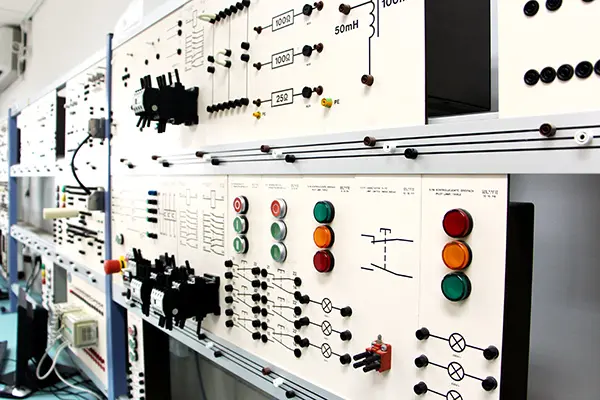 Motor Control Center MCC
 Data Center
 Environmental Industry
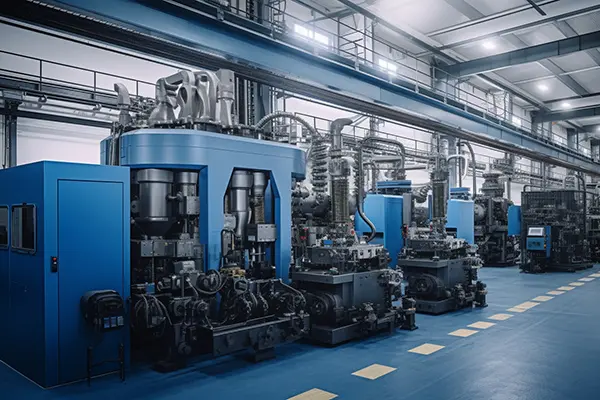 Industrial Machinery
 New Energy
 Pharmaceutical Manufacturing
 Petroleum & Chemical
 Marine & Offshore & Ship
 Food processing / agricultural production