The Best Traffic Control Cabinet Options for Efficient Management?
Efficient traffic management relies heavily on the proper use of Traffic Control Cabinets. These systems house essential electronic components for signal control. According to a recent industry report, effective traffic management can reduce accidents by up to 30%.
Investing in high-quality Traffic Control Cabinets is not only beneficial but necessary. They must withstand various weather conditions. Inadequate cabinets can lead to system failures, which disrupt traffic flow. An alarming statistic shows that outages due to cabinet issues can increase congestion times by over 20%.
The market for Traffic Control Cabinets is evolving rapidly. Innovations are continuously introduced, yet many municipalities still rely on outdated systems. This gap highlights the need for better analysis and implementation of advanced cabinets. As urban areas expand, the demand for reliable traffic management solutions will only increase.
Understanding Traffic Control Cabinets and Their Importance
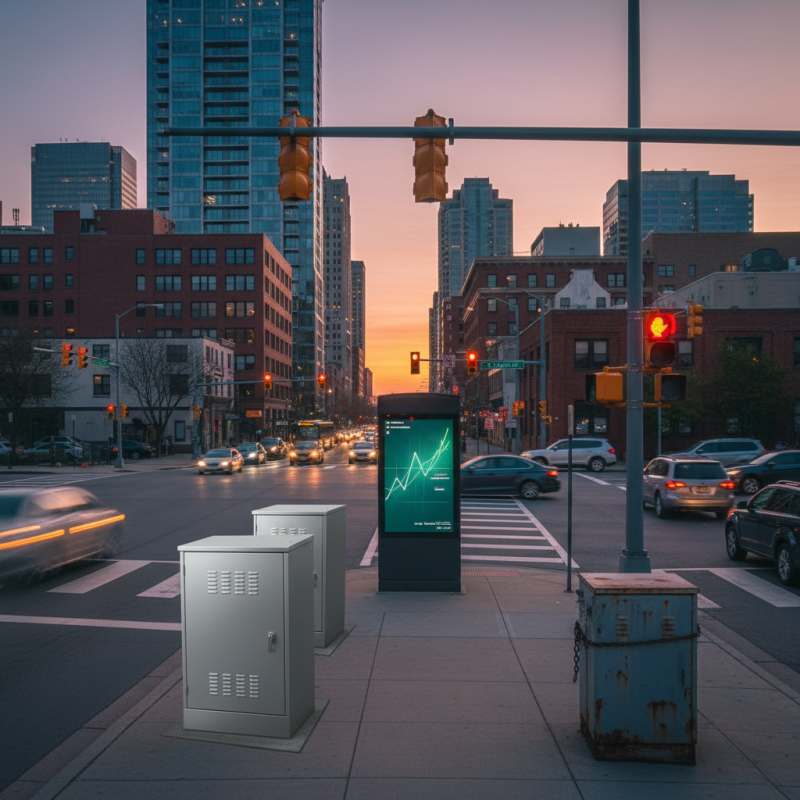
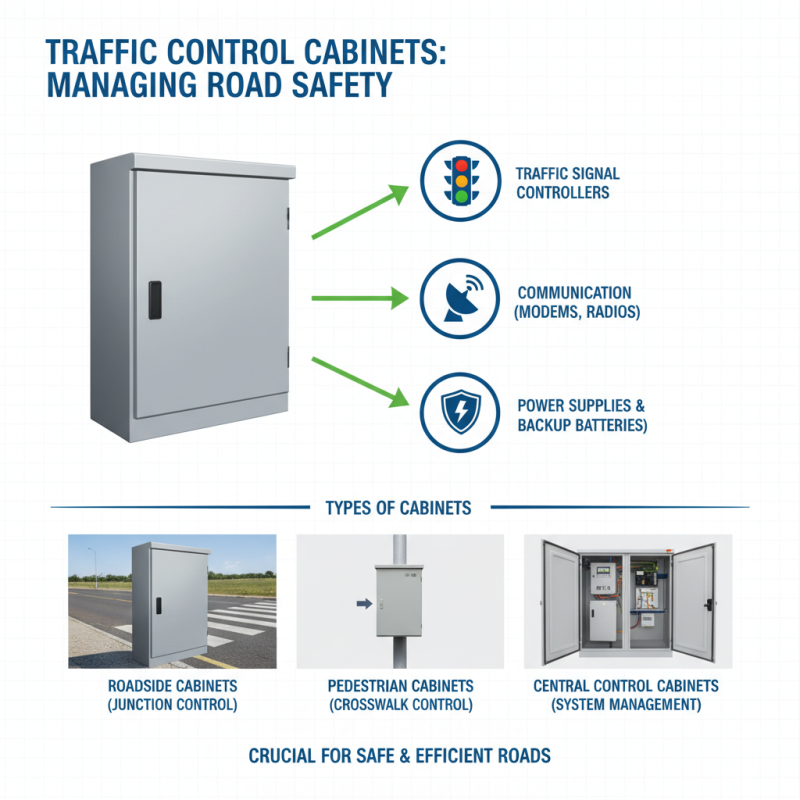
Traffic control cabinets are crucial for managing road safety. They house complex equipment that controls traffic signals, monitors vehicle flow, and ensures efficient traffic management. By protecting sensitive electronics from the elements, these cabinets help maintain seamless communication between various traffic systems.
Understanding their importance goes beyond mere functionality. Poorly designed or outdated cabinets can lead to failures in traffic signal operations. In many cases, these failures cause traffic congestion and even accidents. Some systems don’t integrate well with newer technologies, creating gaps in service and security.
Moreover, the placement and accessibility of these cabinets can be problematic. If they're hidden or hard to reach, maintenance becomes an issue. Regular assessments are needed to ensure they meet current safety standards. While advancements are continually made, some communities still struggle to adopt the latest traffic management systems. This highlights the need for ongoing discussions and improvements in traffic control infrastructure.
The Best Traffic Control Cabinet Options for Efficient Management
| Cabinet Model |
Size (inches) |
Weight (lbs) |
Material |
Temperature Rating (°F) |
Features |
| Model A |
24 x 36 |
75 |
Steel |
-20 to 120 |
Weatherproof, Lockable |
| Model B |
30 x 48 |
85 |
Aluminum |
-10 to 130 |
Ventilated, Removable Panels |
| Model C |
36 x 60 |
95 |
Stainless Steel |
0 to 140 |
Anti-corrosion, Double Doors |
| Model D |
28 x 40 |
70 |
Fiberglass |
-20 to 150 |
Lightweight, UV Resistant |
Types of Traffic Control Cabinets Available in the Market
Traffic control cabinets play a crucial role in managing road safety. They house important electrical components. This includes traffic signal controllers, communication devices, and power supplies. Different types of cabinets are available to meet various needs.
Some cabinets are designed for urban environments. They are typically compact and weather-resistant. Others are built for rural areas, where durability is key. These models often have larger space to accommodate additional equipment. Some cabinets come with advanced features, such as climate control systems. These systems protect sensitive electronics from extreme temperatures.
However, not all options are perfect for every situation. Installation can be complicated and requires skilled professionals. The cabinets also need regular maintenance to function properly. Overlooking these aspects may result in traffic management issues. It's important to consider specific requirements before making a choice. The wrong cabinet may lead to inefficiencies that could compromise safety.
Key Features to Consider When Selecting a Traffic Control Cabinet
When selecting a traffic control cabinet, key features matter significantly. Look for durable materials that withstand harsh weather. Cabinets made from robust metals can resist corrosion and wear over time. Consider the size too. A larger cabinet can hold more equipment but may require more space. Balance is vital.
Ventilation is essential for electronic safety. An adequate airflow prevents overheating. While some cabinets come with built-in fans, others might need additional modifications. Ensure you evaluate power supply options as well. Not all systems work well with standard outlets. Some may require backup generators.
The locking mechanism is another critical aspect. A secure lock deters theft and unauthorized access. However, examine its ease of use. Users should access cabinets quickly in emergencies. While security is necessary, convenience shouldn't be sacrificed. Reflect on these elements carefully before making a choice.
Installation and Maintenance Best Practices for Traffic Control Cabinets
Installation and maintenance of traffic control cabinets are critical for effective traffic management. According to industry reports, approximately 30% of traffic congestion can be attributed to poor signal timing. Regular checks and updates ensure that systems work seamlessly. It's vital to create a maintenance schedule that aligns with local traffic patterns.
Tips: Always check the power supply connections. Loose wires can lead to signal failure. Keep all software updated to the latest version. Outdated software may leave gaps in performance.
Routine inspections should include checking for physical damage, corrosion, and pests. Neglecting these aspects can lead to costly repairs. Surprisingly, a significant number of cabinets are found to be malfunctioning due to minor issues.
Tips: Maintain a clear log for all maintenance activities. This provides insight into recurring problems. Consistently review performance data to identify trends. Understanding these trends helps in predicting future issues.
Comparative Analysis of Leading Traffic Control Cabinet Brands and Models
When it comes to traffic control cabinets, not all options are created equal. A comparative analysis reveals significant differences among various models and designs. Some cabinets offer superior weather resistance. Others focus on advanced technology integration. Each has its strengths and weaknesses.
Tip: Look closely at the materials used in a cabinet's construction. Weather-resistant options are better for outdoor use. Even small factors can lead to significant long-term issues.
Many models feature user-friendly interfaces for easy operation. However, functionality may vary. Some cabinets might not support newer traffic management systems. This can be a limitation worth considering.
Tip: Check compatibility with existing systems. Investing in a model that does not integrate well can be frustrating and costly.
In the landscape of traffic control, thoughtful decisions lead to effective management. Evaluate not just the features but the real-world performance of each cabinet. Understanding what works best in specific situations is crucial.

 Intelligent Manufacturing / Industry 4.0
 Motor Control Center MCC
 Data Center
 Environmental Industry
 Industrial Machinery
 New Energy
 Pharmaceutical Manufacturing
 Petroleum & Chemical
 Marine & Offshore & Ship
 Food processing / agricultural production