What is the Best Electrical Panel for Your Home in 2026?
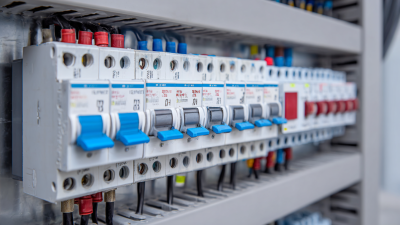
Choosing the right electrical panel for your home is crucial. In 2026, advancements in technology make this decision even more important. An electrical panel serves as the heart of your home's electrical system. It distributes power efficiently, ensuring safety for your family.
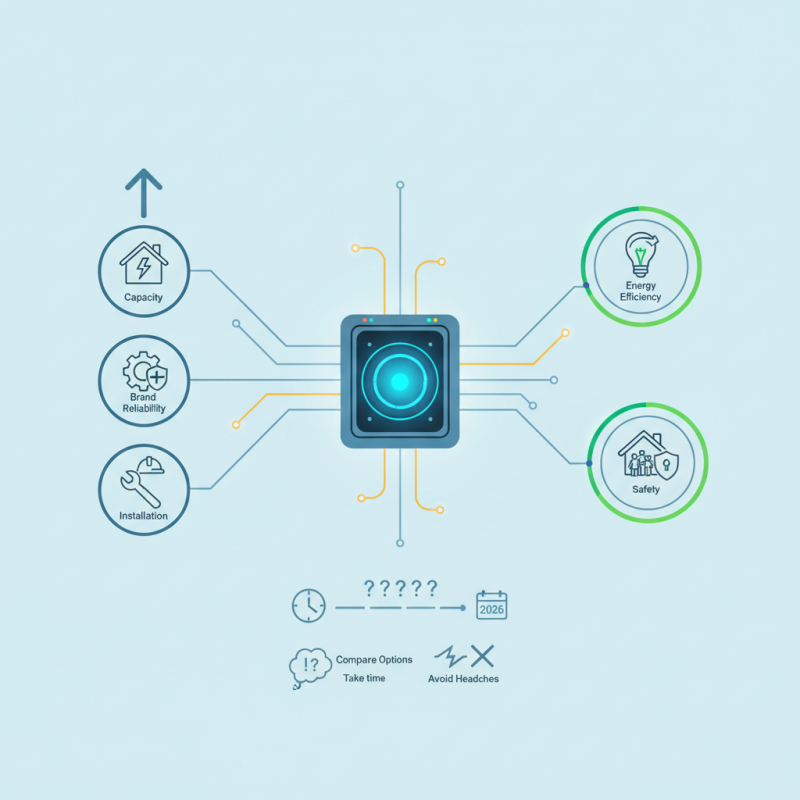
When selecting an electrical panel, consider factors such as capacity, brand reliability, and installation. Many homeowners overlook these details. A miscalculation in power demand can lead to issues. However, it’s easy to underestimate these aspects when upgrading or remodeling.
Investing in a quality electrical panel can save you future headaches. A well-chosen panel enhances energy efficiency and safety. Avoid rushing the decision; it's worth taking time to compare options. Your family's safety and comfort depend on it.
Key Features to Consider in Electrical Panels for Modern Homes
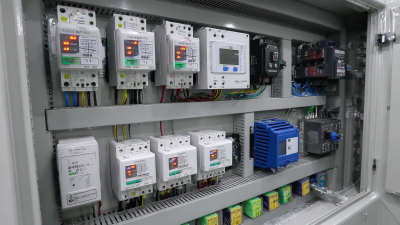
When choosing an electrical panel for modern homes, several key features stand out. First, look for a panel that supports smart technology integration. Reports indicate that nearly 70% of new homes in 2026 will utilize smart devices. This integration allows homeowners to monitor energy usage in real-time. It also provides alerts on potential issues, enhancing safety.
Another important aspect is the panel's capacity. Modern homes often require panels with a higher amperage. A 200-amp panel is now considered standard for most new constructions. This capacity meets the demands of multiple appliances and electric vehicles. However, many homeowners may overlook the importance of load calculations. Without proper assessments, they risk overloading their system.
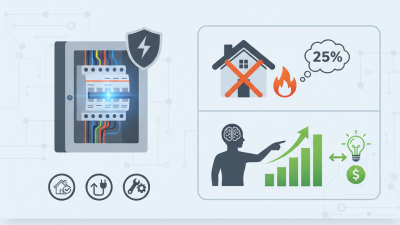
Additionally, consider the panel's safety features. Reports show that 30% of electrical fires result from faulty panels. Installing panels with advanced circuit breakers can drastically reduce this risk. Homeowners should also evaluate the panel's warranty. A reliable warranty offers peace of mind and reflects the panel's quality. Neglecting these details can lead to costly mistakes and safety hazards.
Types of Electrical Panels: Which One Suits Your Home Best?
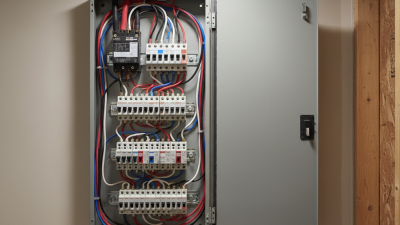
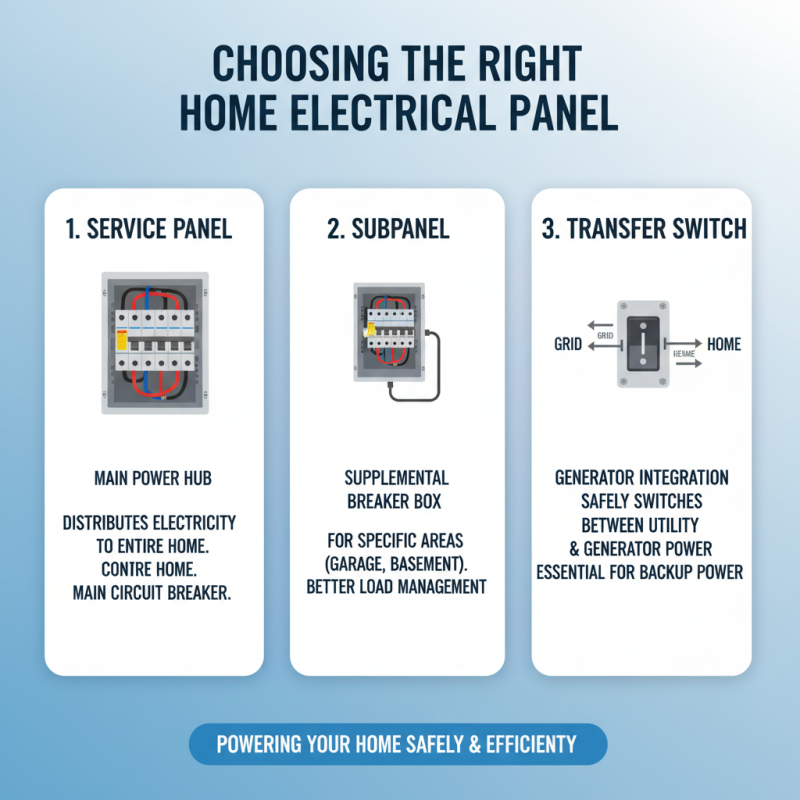
When considering the best electrical panel for your home, it’s crucial to understand the types available. The most common options include service panels, subpanels, and transfer switches. Service panels distribute electricity throughout your home. They typically have circuit breakers and manage the flow of electricity. Subpanels serve as additional breakers for specific areas, like garages or basements, allowing for better load management.
Transfer switches are essential if you are thinking about backup generators. They ensure smooth transitions between main power and generators during outages. Each type has its own pros and cons, making it important to assess your household's energy needs. A larger family may require a more robust service panel. Meanwhile, a smaller home might suffice with just a subpanel.
Homeowners often overlook the panel's placement and accessibility. If it’s hidden away in a closet, it could pose a challenge during maintenance. Lighting the area is also crucial. A well-lit space makes it easier to inspect and manage circuits. Consideration of these aspects leads to a more functional electrical system.
Understanding Electrical Panel Ratings and Their Importance
Choosing the right electrical panel for your home is crucial in 2026. Understanding electrical panel ratings helps homeowners make informed decisions. The National Electrical Manufacturers Association reports that nearly 60% of residential electrical fires are due to faulty wiring or equipment. An efficient panel can enhance safety.
Electrical panel ratings indicate how much load a panel can handle safely. A typical household requires between 100 to 200 amps. In densely populated areas, some homes may demand 400 amps. This is critical as the average household now uses more devices than ever. According to recent surveys, homes with up-to-date panels experience fewer issues. Outdated panels may pose risks like overheating or tripping breakers.
Homeowners should reflect on their current electrical consumption. An inadequately rated panel can lead to overloading, causing frustrating power outages. In 2023, reports showed that 40% of homeowners do not know their panel's rating. This lack of awareness could endanger their homes. A proactive stance on upgrading to a suitable panel type is essential for safety and efficiency.
How to Choose the Right Size of Electrical Panel for Your Needs
Choosing the right size of electrical panel for your home is crucial. An undersized panel can lead to frequent overloads. This can cause tripped breakers and potentially hazardous situations. On the other hand, an oversized panel may be unnecessary and costly.
Start by assessing your home’s electrical needs. Count all the major appliances, like refrigerators and air conditioners. Consider future upgrades, such as adding a home office or electric vehicle charging. A 100-amp panel might suffice for smaller homes. Larger households usually need a 200-amp panel. But, sizing isn’t always straightforward.
Think about your lifestyle too. If you often run multiple devices, opt for a larger panel. This ensures you won’t have to deal with annoying outages. Remember, a busy family could require more capacity than a single occupant. Reflect on your current usage versus potential growth. Adapting your electrical panel to your needs is key.
Electrical Panel Size Comparison for Residential Needs in 2026
Future Trends in Electrical Panel Technology for 2026 and Beyond
As we approach 2026, advancements in electrical panel technology are expected to transform home energy management. Reports indicate that smart panels will dominate the market. These panels offer enhanced features like energy monitoring and automated load management. In fact, studies suggest that over 40% of new installations will feature smart technology by 2026.
The integration of renewable energy sources is another critical trend. More homeowners are installing solar panels and battery storage systems. Contemporary electrical panels will need to support these integrations. Researchers estimate that by 2026, homes will have a 60% higher adoption rate of hybrid systems.
However, challenges remain. The cost of installation can be significant, often deterring homeowners. It’s essential to balance initial expenses with long-term savings. Additionally, installation complexity may require professional help, which adds another layer of consideration. Homeowners must evaluate these factors carefully to make informed decisions about their future electrical systems.

 Intelligent Manufacturing / Industry 4.0
 Motor Control Center MCC
 Data Center
 Environmental Industry
 Industrial Machinery
 New Energy
 Pharmaceutical Manufacturing
 Petroleum & Chemical
 Marine & Offshore & Ship
 Food processing / agricultural production