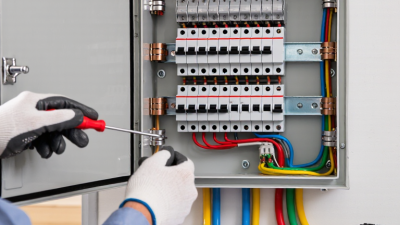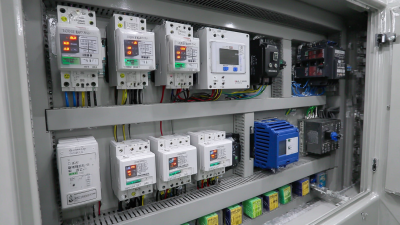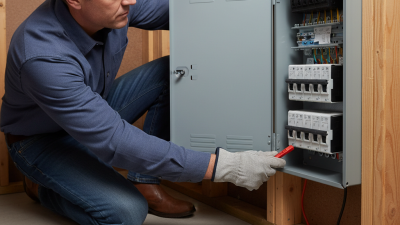

Choosing among the 10 Best Electronic Cabinets for Global Buyers requires more than comparing prices and polished product photos. Electronic Cabinets protect sensitive controls, power components, networking equipment, and industrial automation systems in demanding environments. A cabinet placed beside a dusty production line faces different risks from one installed inside a clean data room.
This guide examines practical factors that influence real-world performance. These include enclosure materials, IP or NEMA protection, ventilation, thermal management, mounting space, cable access, locking systems, and corrosion resistance. We also consider assembly quality, documentation, warranty support, replacement parts, and shipping reliability. Small details matter. A poorly positioned gland plate can complicate installation. A weak door seal may invite moisture. Excessive heat can shorten component life.
Global buyers need evidence, not vague marketing claims. Product datasheets, test reports, installation instructions, and supplier experience should support each recommendation. Regional electrical requirements also differ, so buyers must confirm suitability with qualified local professionals before ordering. One cabinet may perform excellently in a dry warehouse but fail to meet the needs of a coastal facility.
There is no universal winner. That is worth admitting. Budget, climate, equipment density, maintenance access, and project scale can change the ranking. Some conclusions may remain debatable, especially where suppliers offer limited independent testing. This guide therefore focuses on transparent comparisons and realistic use cases, helping buyers identify strong options while recognizing their limitations. The best choice is not always the most expensive cabinet. It is the one that protects equipment reliably and supports efficient service over time.
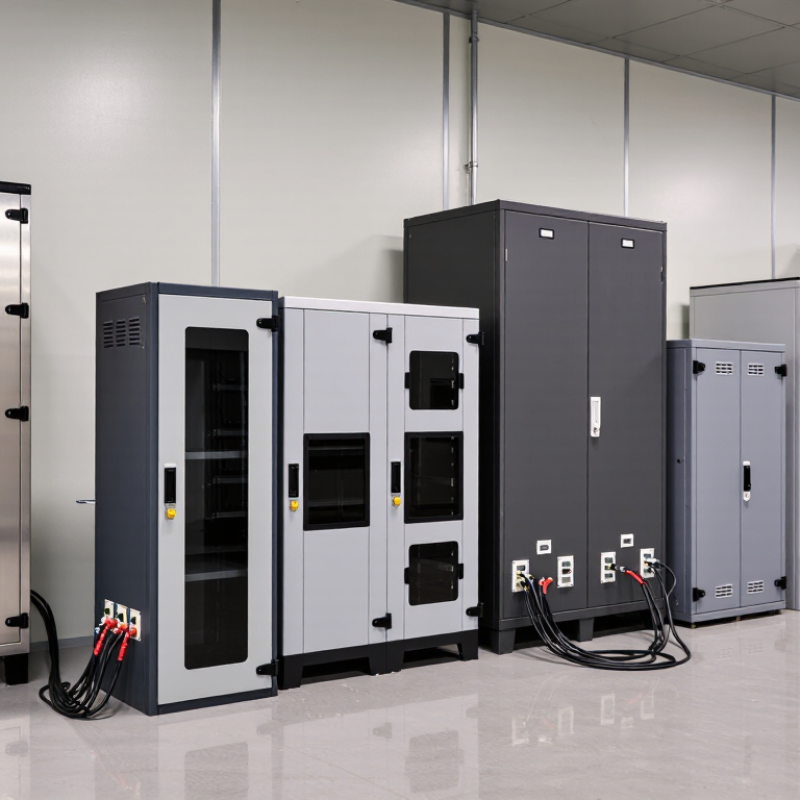
Electronic cabinets are protective enclosures for electrical and electronic equipment. They hold controllers, circuit breakers, power supplies, terminals, and communication devices. Their main purpose is simple: keep sensitive components safe and organized. They reduce exposure to dust, water, impact, vibration, heat, and accidental contact. Small gaps matter. Poor sealing can damage equipment over time.
Protection is not only physical. A suitable cabinet can support thermal control, grounding, cable management, and electromagnetic shielding. Indoor models may use coated steel or other durable materials. Outdoor installations often need stronger corrosion resistance and weather protection. Buyers should check the enclosure’s IP rating under IEC 60529, but ratings do not solve every problem. Condensation, sunlight, chemicals, and poor installation can still create failures. Real conditions are often messier than technical drawings.
For global buyers, cabinet selection should match the equipment, location, and maintenance routine. Check internal dimensions, weight capacity, door clearance, cable-entry space, and ventilation requirements. Confirm that installers can reach terminals without removing unnecessary parts. A cabinet that looks strong may still be difficult to service. That mistake is costly. In practical reviews, teams sometimes choose oversized enclosures “for safety,” then face unused space, higher shipping costs, and weak thermal performance. A balanced design is usually more dependable. Even grounding details deserve attention. An overlooked bonding point can undermine an otherwise well-built enclosure.
Electronic cabinets protect control systems, power equipment, networking hardware, and sensitive components from dust, solid objects, and water. The chart compares common IP enclosure ratings under IEC 60529. Higher values indicate stronger protection within each category.
The first IP digit measures protection against solid objects and dust on a scale from 0 to 6. The second digit measures protection against water on a scale from 0 to 9. IP ratings do not independently describe impact resistance, corrosion resistance, fire protection, or electromagnetic shielding.
Electronic cabinets are classified by structure and application, not by appearance alone. A clear classification simplifies global purchasing and technical review.
By structure, floor-standing cabinets suit heavy equipment, large cable runs, and frequent maintenance. Wall-mounted cabinets save floor space for compact control or communication systems. Modular cabinets use removable panels and adjustable rails, making upgrades easier. Open-frame cabinets improve access and airflow, but they offer less protection from dust and accidental contact. Sealed cabinets are more suitable for humid, dusty, or outdoor locations. Protection ratings must match the installation environment.
Application creates another useful category. Control cabinets house programmable controllers, relays, terminals, and operator interfaces. Power distribution cabinets manage breakers, busbars, and incoming electrical loads. Network cabinets organize switches, patch panels, and structured cabling. Instrumentation cabinets protect sensitive measurement devices from vibration and electrical interference. Outdoor cabinets may require weather-resistant finishes, thermal management, locks, and sun shields. Cleanroom models need smooth surfaces and fewer dust-catching joints.
Selection should begin with heat load, dimensions, cable entry, service clearance, and future expansion. A cabinet may fit the equipment but fail during maintenance. That mistake is common. Ventilation also deserves careful review, because fans can pull contaminated air inside. In some installations, passive cooling works better, although it may limit component density. Local electrical codes, grounding methods, and enclosure standards should be verified with qualified professionals before purchase.
Global buyers need cabinets that survive transport, heat, dust, and uneven installation sites. The ten strongest choices include wall-mounted, floor-standing, server, modular, outdoor, stainless-steel, EMC-shielded, acoustic, hazardous-area, and battery cabinets. Each type serves a different operating condition. A 19-inch rack cabinet suits network equipment, while an IP65 outdoor cabinet protects controls from dust and water jets. Always verify IEC 60529 ratings and structural loading before purchase.
Thermal performance deserves serious attention. The International Energy Agency reported that data centers used about 460 TWh of electricity in 2022. Demand may exceed 1,000 TWh by 2026. Better airflow can reduce cooling pressure and protect sensitive components. Uptime Institute’s 2024 Global Data Center Survey also found that more than half of operators experienced an outage during the previous three years.
Cable separation, secure grounding, and service access are practical safeguards. They are not glamorous, but they matter.
Tips
Measure the equipment first. Leave expansion space. Check door clearance, mounting depth, corrosion resistance, and local certification. Ask suppliers for load tests, material specifications, and ingress-protection documents. A cabinet with cheap steel may look acceptable in a showroom. It can fail after repeated vibration or humid shipping. No cabinet is perfect. My own selection would change after reviewing the site temperature, maintenance habits, and power density. That uncertainty deserves attention.
When global buyers compare electronic cabinets, appearance should not lead the decision. A strong cabinet uses rigid steel or aluminum, precise seams, and a stable mounting frame. During inspections, I check whether doors close evenly after repeated opening. Small gaps can expose equipment to dust, moisture, or accidental contact.
Safety depends on details that are easy to overlook. Reliable cabinets include protective grounding points, insulated cable entries, secure locks, and clear separation between power and signal wiring. Ventilation matters too. Fans, filters, and airflow channels should prevent heat from collecting near sensitive components. Buyers should verify load ratings, enclosure protection levels, and compatibility with local installation requirements. A cabinet may pass a factory check yet perform poorly in a hot, crowded control room.
Performance also requires practical service access. Removable side panels, adjustable rails, labeled terminals, and enough cable space can reduce maintenance time. I prefer designs that allow technicians to replace one device without dismantling the entire cabinet. However, deeper cabinets are not always better. They can waste floor space and make rear connections difficult. This is where product data needs careful review, not hopeful assumptions. Testing under vibration, temperature changes, and continuous electrical load reveals weaknesses that photographs never show.
| No. | Cabinet Type | Typical Dimensions (W × H × D) |
Typical Protection | Common Material | Typical Load Capacity | Key Quality and Safety Features | Typical Standards or References | Best-Fit Applications |
|---|---|---|---|---|---|---|---|---|
| 1 | Wall-Mount Electrical Enclosure | 300–800 × 400–1200 × 150–300 mm | IP54–IP66 | Painted carbon steel or stainless steel | 20–100 kg | Gasketed door, quarter-turn lock, removable gland plate, mounting plate, protective bonding point, and corrosion-resistant finish. | IEC 60529; IEC 62208; IEC 61439 where used as part of a low-voltage assembly. | PLCs, motor controls, building automation, and compact industrial control systems. |
| 2 | Floor-Standing Control Cabinet | 600–1200 × 1600–2200 × 400–800 mm | IP54–IP66 | Powder-coated steel | 300–1000 kg | Rigid frame, adjustable mounting rails, segregated power and control sections, lifting provisions, cable-entry area, and reliable door bonding. | IEC 62208; IEC 61439-1 and IEC 61439-2 for applicable assemblies; IEC 60529. | Manufacturing lines, process control, power distribution, and machine automation. |
| 3 | 19-Inch Network and Server Rack | 600 or 800 × 1000–2200 × 600–1200 mm | IP20–IP55 | Steel frame with perforated doors | 600–1500 kg | 19-inch mounting rails, numbered rack units, vertical cable management, earthing kit, blanking panels, and front-to-rear airflow support. | IEC 60297; IEC 60529; EIA-310 for 19-inch rack dimensions. | Server rooms, network distribution, telecommunications, and edge-computing installations. |
| 4 | Outdoor Weatherproof Cabinet | 400–1200 × 600–2200 × 250–800 mm | IP55–IP66 | UV-resistant painted steel, aluminum, or stainless steel | 50–500 kg | Rain canopy, sealed door gasket, corrosion protection, filtered ventilation or air conditioning, solar-load consideration, and lockable access. | IEC 60529; IEC 62208; IEC 60068 environmental test methods where specified. | Telecom equipment, traffic systems, utility monitoring, renewable-energy sites, and outdoor automation. |
| 5 | Stainless-Steel Hygienic Cabinet | 300–1000 × 400–2000 × 200–600 mm | IP66–IP69K | AISI 304 or AISI 316 stainless steel | 30–400 kg | Sloped top, continuously welded or sealed joints, hygienic hinges, smooth surfaces, high-pressure washdown resistance, and low-contamination design. | IEC 60529; IEC 62208; EHEDG design principles where hygienic processing is required. | Food processing, beverage production, pharmaceutical equipment, and washdown areas. |
| 6 | EMC-Shielded Cabinet | 400–1200 × 600–2200 × 250–800 mm | IP54–IP66 | Conductive steel or aluminum | 50–600 kg | Conductive door gasket, 360-degree bonding, shielded cable glands, filtered ventilation, low-impedance earth path, and controlled cable routing. | IEC 61000-5-2; IEC 61000-6 series; IEC 60529; project-specific EMC test requirements. | Variable-speed drives, instrumentation, laboratory systems, medical equipment, and sensitive communication electronics. |
| 7 | Modular Multi-Bay Cabinet | 600–2400 × 1600–2200 × 400–1000 mm | IP54–IP66 | Powder-coated steel | 500–2000 kg | Bolted or bayed construction, removable side panels, shared busbar sections, flexible internal partitioning, and scalable cable access. | IEC 61439-1 and IEC 61439-2 for applicable low-voltage assemblies; IEC 60529. | Large power distribution systems, data centers, production plants, and expandable automation projects. |
| 8 | Operator Console Cabinet | 800–2000 × 900–1400 × 600–1000 mm | IP54–IP65 | Powder-coated steel or aluminum | 100–500 kg | Ergonomic working angle, reinforced instrument panel, cable segregation, lockable service access, monitor mounting, and operator protection. | IEC 60204-1 for machinery electrical equipment; IEC 60529; IEC 62208 where applicable. | Human-machine interfaces, control rooms, machine tools, and process supervision stations. |
| 9 | Battery and Energy-Storage Cabinet | 600–1200 × 1200–2200 × 600–1200 mm | IP31–IP55 | Steel with insulated internal sections | 300–1500 kg | Battery restraint, touch-safe covers, ventilation or thermal management, segregation, overcurrent protection, fire-risk assessment, and service isolation. | IEC 62477-1; IEC 62619 for applicable industrial lithium secondary batteries; local fire and electrical codes. | UPS systems, telecommunications backup, photovoltaic storage, and industrial energy-storage installations. |
| 10 | Compact Junction and Terminal Cabinet | 150–600 × 200–800 × 100–300 mm | IP65–IP68 | Polycarbonate, ABS, aluminum, or stainless steel | 5–50 kg | Compact terminal layout, flame-retardant enclosure options, sealed cable glands, clear labeling area, impact resistance, and easy field access. | IEC 60529; IEC 62208; IEC 60670-1 for applicable boxes and enclosures. | Sensor connections, field junctions, instrumentation, building services, and distributed control wiring. |
Note: Dimensions, load capacities, and protection ratings are typical ranges for commonly specified cabinet configurations. The final selection should be verified against the installation environment, thermal calculation, short-circuit rating, corrosion conditions, local regulations, and the manufacturer’s test documentation.
How Can Buyers Select the Right Cabinet for Global Projects?
Global buyers should treat an electronic cabinet as a protection system, not a metal box. Start with voltage, heat load, cable entry, corrosion exposure, and service access. IEC 60529 defines IP protection levels against dust and water, but an IP rating alone cannot predict performance in every climate. A cabinet near a coastal plant needs stronger corrosion resistance than one inside a dry control room. The International Energy Agency reported that data centers consumed about 460 TWh of electricity in 2022. Higher energy use means more heat, making ventilation, cooling capacity, and thermal testing critical.
Project teams should also verify regional compliance, material thickness, grounding, fire behavior, and replacement-part availability. Uptime Institute’s 2024 Global Data Center Survey continues to identify power-related failures as a major operational concern. Therefore, buyers should request temperature-rise data, short-circuit ratings, factory inspection records, and clear installation drawings. Experienced engineers also compare total ownership cost, not only purchase price. A cheaper cabinet may require costly field modifications. That happens more often than expected.
Tips: Build a location-based checklist before requesting quotations. Ask suppliers to explain every test condition. Confirm whether cooling performance changes at high altitude or under direct sunlight. Leave spare space for future equipment, but avoid excessive empty volume. My own practical preference is simple: inspect cable bending space first. It is easy to overlook, and difficult to repair later. Taamaattumik a perfect specification on paper may still fail during installation.